United Airlines bans AI agents from booking its tickets and extras.
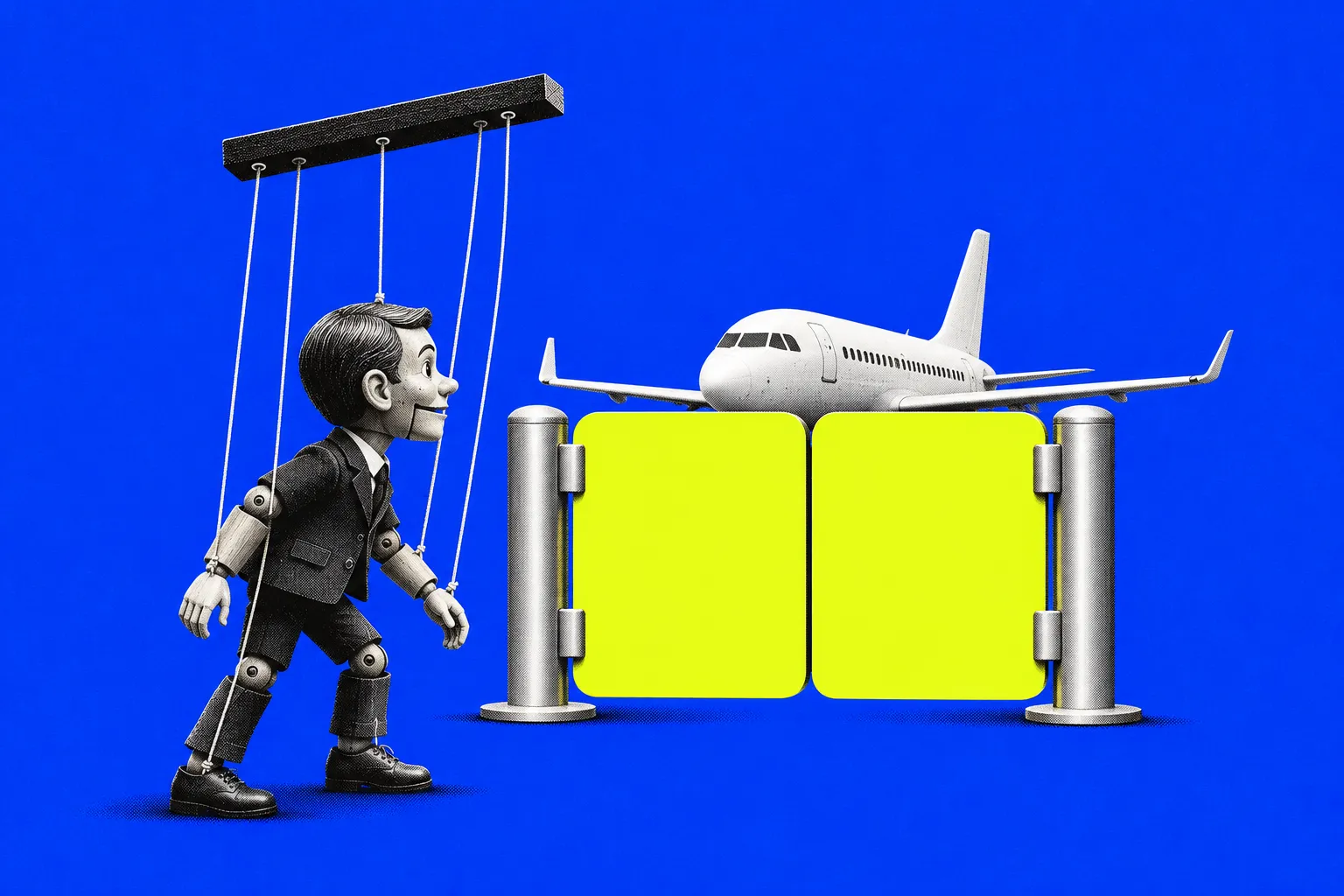
United Airlines has changed its contract of carriage to forbid using AI agents to book, change or manage tickets or to buy seats, upgrades and extras. It can cancel agent-made bookings without notice, even when a person supervised or approved the agent.
The contract, marked "revised November 11, 2026", adds a definition of an AI agent: any software, including an AI assistant or AI-enabled browser, that acts autonomously or semi-autonomously to search for, book, buy or manage United products, "whether or not" a person supervises or approves its actions. It names three groups: assistants built into social, messaging and search platforms; AI browsers and standalone agents; and third-party assistants that reach United through a travel agency's tools. A new item in the list of prohibited practices, alongside hidden-city and throwaway ticketing, bars using such agents to make, modify or service a ticket or to buy any product, and the rules on improper bookings now include reservations made by AI agents among those United may cancel without notice. The change was first spotted by the travel blog View from the Wing.
United told The Wall Street Journal that few customers have tried booking through agents so far, but that it worries agents could expose personal data, make purchases people did not intend, and skip steps federal rules require, such as passengers confirming their bags hold no explosives. Chief executive Scott Kirby said at an event on Tuesday that he did not want to create another middleman, according to the Journal.
Agents can still find and display United flights and fares, according to The Verge and the travel blogs that reported the change; the purchase has to be finished by the customer. United has not said how it will detect agent bookings, and the rule names no product, though PPC Land notes its categories match the booking features Google, OpenAI and Meta have been building into their assistants.
Our read: agentic commerce depends on sellers letting the agents in, and a major airline has just said no. Gulf carriers, hotels and retailers weighing how to work with AI assistants now have a clear example of the defensive option, and marketers planning agent-led journeys should check each seller's terms before promising customers a booking.
Why it matters
A major airline has written AI shopping agents out of its contract, a sign that agentic commerce will be shaped as much by sellers' terms as by the AI platforms.
Related trends.

LVMH's media division signs a ChatGPT content and tools deal with OpenAI
LVMH's media division, which owns Les Echos, Le Parisien and Paris Match, has signed a partnership with OpenAI. Its journalism will appear in ChatGPT answers with links, and its staff get ChatGPT Enterprise.
Why it mattersDeals like this decide which publishers ChatGPT cites and links to, which shapes where brands get mentioned in AI answers.

etisalat UAE and Pixis launch AI ad platform for small businesses
etisalat UAE has launched AI Marketing Hub, a subscription platform that uses AI agents to plan, make and manage online advertising for small and medium-sized businesses. Ad-tech company Pixis built it, and campaigns run on Google Ads, Meta and TikTok.
Why it mattersA telecom operator is now offering AI-run media planning, creative and buying to UAE small businesses, the clients many freelancers and small agencies depend on.

OpenAI launches ChatGPT Wallet so its agents can pay for purchases
OpenAI has launched ChatGPT Wallet, which lets its dots agents complete purchases for users with a stored card. It began rolling out on 13 November to a limited group of US ChatGPT Pro subscribers aged 18 and over with eligible US-issued cards.
Why it mattersCheckout is moving into the assistant. Brands whose sites block agents, or whose fraud tools decline them, could lose sales without seeing why.