UM MENAT puts AI-generated media strategies through a human edit on Stand Against Bland Day.

UM MENAT, the Omnicom-owned media agency, marked Stand Against Bland Day on 22 October under the theme "Don't Outsource the Human". Teams in six markets reworked AI-generated media strategies to show what human judgement adds.
Staff in the UAE, Qatar, Kuwait, Saudi Arabia, Egypt and Lebanon were given mock client briefs answered by AI, with errors planted on purpose. They had to find the mistakes and rate each strategy on five qualities: experience, inspiration, creativity, understanding and critical thinking. The agency calls this step the "human edit". The day closed with teams in all six markets agreeing to keep those qualities central to everyday client work.
UM MENAT took part alongside offices across UM's global network. Last year's edition focused on difference as a competitive advantage; this one targeted a narrower risk, that AI answers which sound convincing, or simply clear the bar of a brief, get passed on without enough human input. Regional CEO Joe Nicolas said AI is becoming available to everyone, so on its own it will not set an agency's work apart, while people who know the region and its culture will. UM describes Stand Against Bland as its year-round position against safe, generic work, shaping how it challenges briefs and builds media strategies.
The agency has not said how many staff took part or whether the five-quality check will become a formal step in client work.
For advertisers in Saudi Arabia and the Gulf, it gives a concrete question to put to any agency now using AI to draft plans: where does human review happen, and who does it?
Why it matters
As agencies in the Gulf use AI to draft media strategies, UM MENAT is putting human review and regional knowledge forward as the part clients pay for.
Related trends.

UAE AI Office and Microsoft launch UAE Vibe Codes, a nationwide programme for building apps with AI
The UAE Artificial Intelligence Office has launched UAE Vibe Codes, a nationwide programme developed with Microsoft that lets people build websites and app prototypes by describing their ideas in plain language. It went live on 29 October as part of UAE Codes Day.
Why it mattersA state-backed push to teach the whole UAE public to build sites and tools with AI widens the pool of clients and staff who can prototype before briefing an agency.

Microsoft Clarity: checkout shows up in a quarter of AI agent sessions
Microsoft Clarity says checkout was recorded in 25.21% of website sessions involving AI agents, against 14.65% of human-only sessions on the same sites. The study, published on 29 October, covers more than 5.2 million sessions involving AI agents across 230,511 Clarity projects.
Why it mattersCheckout, form and booking events are what ad platforms optimise on. If agents trigger a growing share of them, conversion rates and cost-per-lead figures start mixing two kinds of visitor.
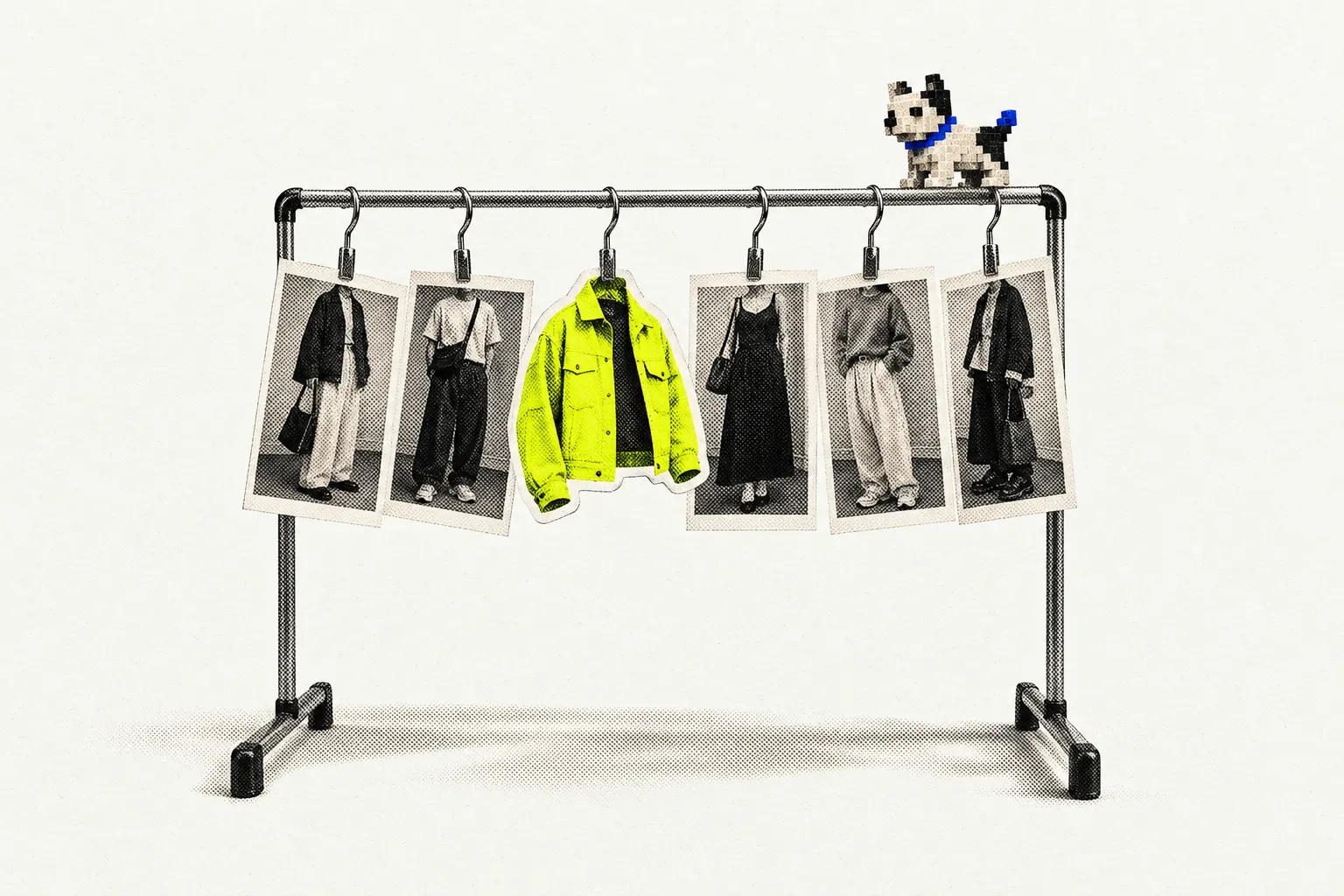
Meta tests two AI apps: a virtual pet and a wardrobe stylist
Meta has released two AI apps in a few Asian markets: Waddle World, a virtual pet game for children, and Style Sketch, which suggests outfits from clothes people own. Both come from Meta's push to ship more test apps using its own AI tools.
Why it mattersStyle Sketch turns Instagram photos into a wardrobe inventory, a data source that could later shape fashion ads and shopping features.