StackAdapt lets brands retarget ChatGPT ad viewers on TV and display.

Programmatic platform StackAdapt says advertisers buying ChatGPT Ads through it can now retarget people who saw those ads across connected TV, display and its other channels. It is one of the first moves to carry ChatGPT ad exposure beyond OpenAI's own product.
The Toronto company announced the feature on 27 October through Business Wire. Viewer segments sit in StackAdapt's Data Hub alongside advertisers' first-party data, CRM connections and existing retargeting lists. The trigger is a view, not a click. StackAdapt's product page says ChatGPT advertising is available globally through its platform, with some regulated categories excluded, and lists retail, e-commerce, consumer goods, travel, education and B2B as the best fits. Co-founder and chief technology officer Yang Han is the only person quoted; OpenAI does not comment.
StackAdapt joined OpenAI's ad pilot as a technology partner in May. Most of the tools built around ChatGPT Ads since then, such as custom audience uploads, the pixel and LiveRamp's customer-list connection, move data into ChatGPT. This one moves exposure data out. PPC Land notes that OpenAI's ads page says advertisers get only aggregate figures such as views and clicks, and that ads in the European Economic Area and Switzerland launched without personalisation.
Much is unexplained. Neither the release nor the product page says how a view inside ChatGPT is matched to a person on a TV or a web page, which identifier is used, which countries the retargeting covers, or what match rates, prices or results look like. No client is named, and it is not clear whether the feature is open to all buyers.
ChatGPT ads now run in 89 countries, though OpenAI named no Middle Eastern market when it last expanded. If they arrive in the Gulf, regional buyers should ask partners exactly how viewer segments are built and how conversions are de-duplicated against OpenAI's own reporting. Two platforms claiming the same sale is an old problem that this kind of feature makes easier to repeat.
Why it matters
It is the first partner offer that takes ChatGPT ad exposure out of ChatGPT, which changes how that spend can be planned and judged.
Related trends.
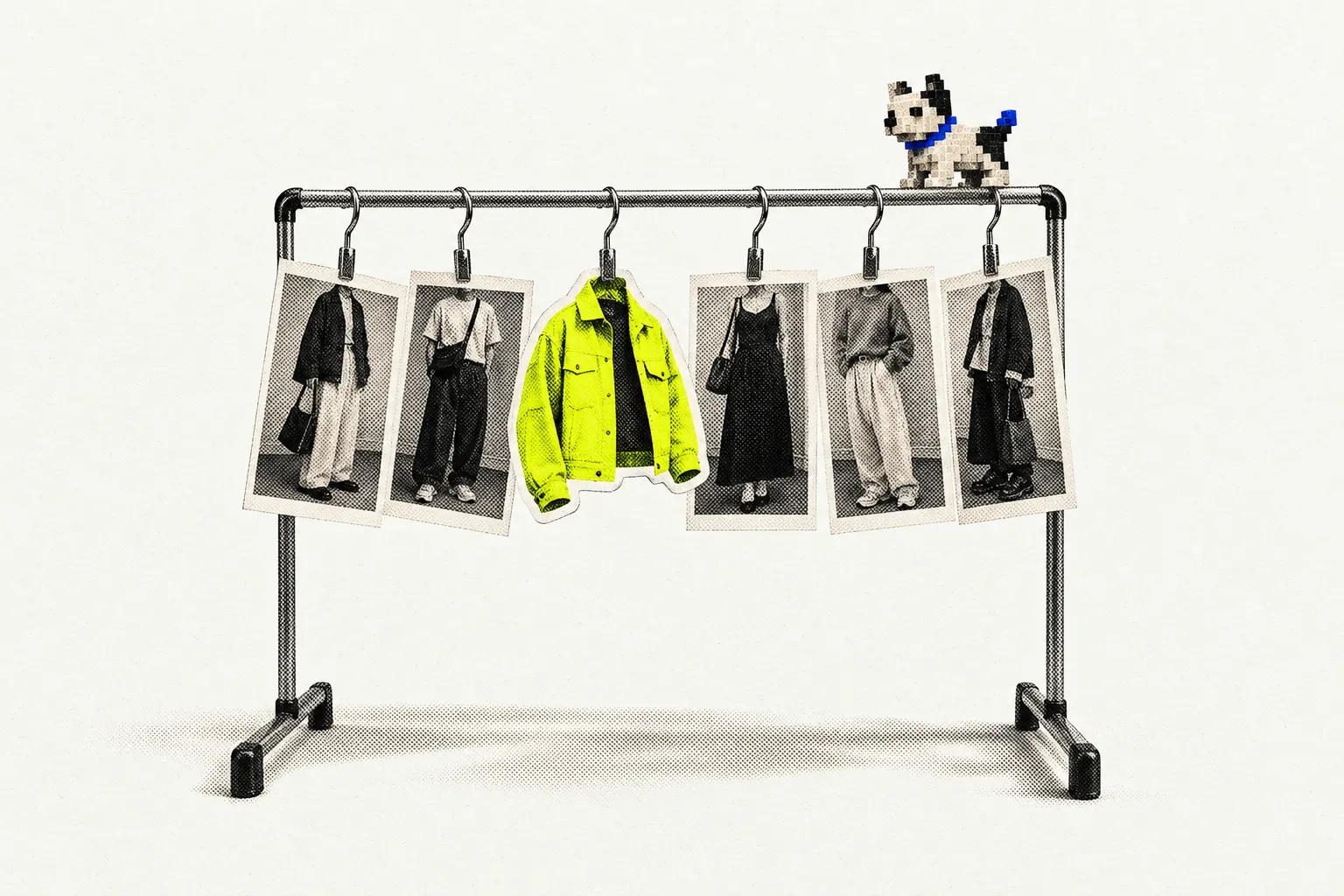
Meta tests two AI apps: a virtual pet and a wardrobe stylist
Meta has released two AI apps in a few Asian markets: Waddle World, a virtual pet game for children, and Style Sketch, which suggests outfits from clothes people own. Both come from Meta's push to ship more test apps using its own AI tools.
Why it mattersStyle Sketch turns Instagram photos into a wardrobe inventory, a data source that could later shape fashion ads and shopping features.

Zuckerberg says shopping is the top use for Meta's Muse agent
Meta's Muse AI agent has been downloaded more than 10 million times since its US and Canada launch last month, and shopping is its most common use. Mark Zuckerberg said average purchases through Muse are above $200.
Why it mattersMeta wants its AI agent to sit between shoppers and brands, which would shift commerce from websites to agent-to-agent deals.

Forrester's 2027 predictions: AI costs bite and human content returns
Forrester predicts that rising AI costs will force B2C marketing leaders to scale back a third of their AI initiatives in 2027. Its B2B forecast, published the same day, says AI agents will influence 75% of business purchase decisions.
Why it mattersForrester expects AI's running costs and buyers' doubts to reshape 2027 plans, making verifiable claims, human-made content and realistic AI budgets matter more than extra automation.