Ogilvy and CAA team up on ads using licensed AI celebrity replicas.
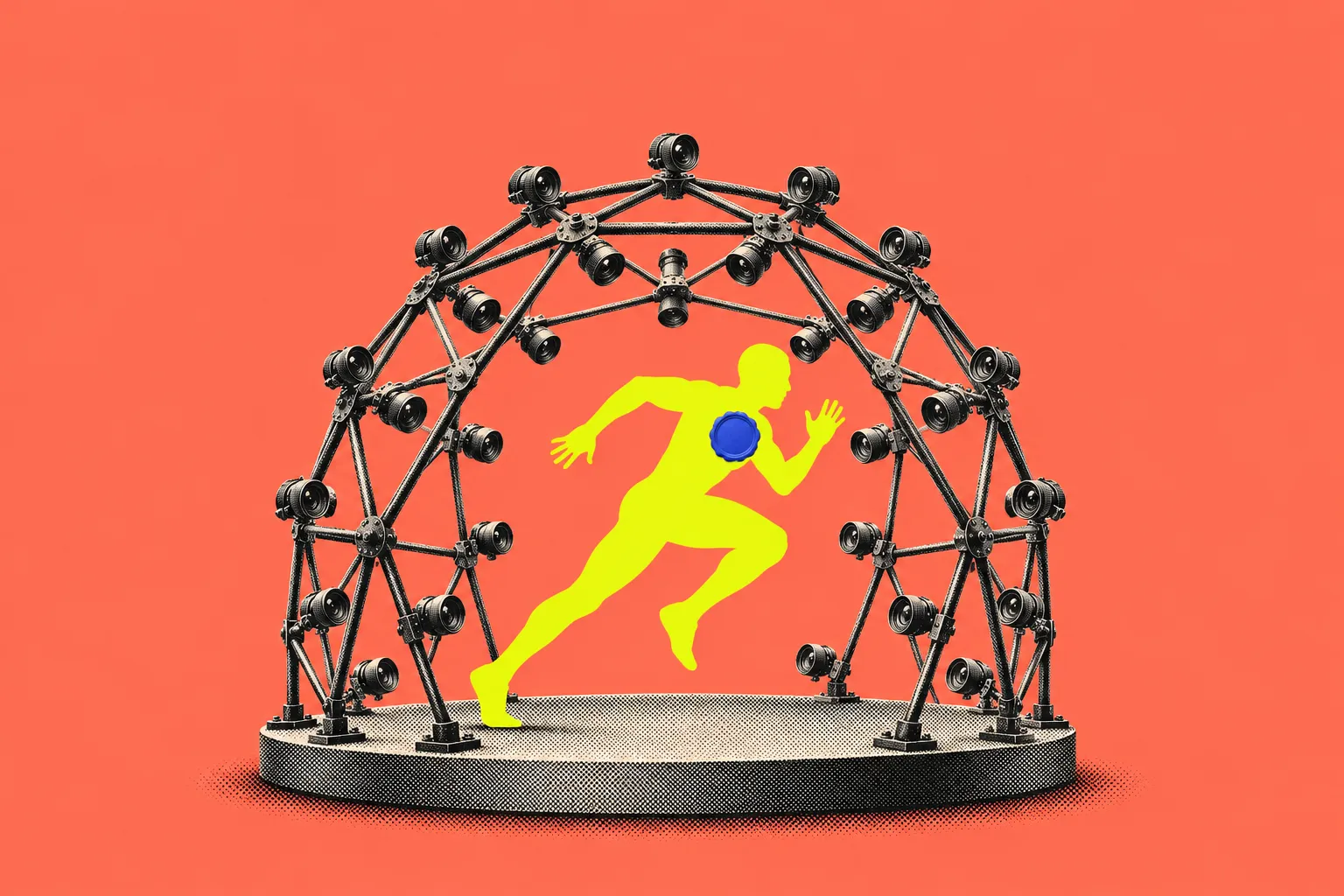
Ogilvy has partnered with talent agency CAA to make brand ads using AI-generated versions of the actors, athletes and creators CAA represents. Ogilvy told Digiday that a few pilots are being negotiated and are expected to go live towards the end of the year.
The system is called Echo. According to Digiday, it draws on material from CAA's "Vault", a scanning studio built for CAA by Veritone that uses 204 cameras to capture a person's face, voice, body language and movement, refreshed every three to five years. Ogilvy can pull that material into WPP Open, the holding company's production platform, for storyboards, mock-ups or finished assets. Carol Reed, Ogilvy's global chief innovation officer, said the partnership took a year to put together. Actor Terry Crews is among those who have opted in; Ogilvy did not name clients.
According to Digiday, the partnership is expected to cut cost per asset by 65% to 75% compared with traditional shoots, and Ogilvy plans to use it first for social content. Under the framework, talent owns its digital likeness and chooses which brands and markets it will appear for; "Talent always gets to see everything and approve everything at the end," Reed said. Finished work will carry a watermark showing it is AI-generated and approved by the person shown. Sports stars are an early focus because training and seasons limit their time for shoots.
Questions remain about how audiences will react. Digiday cites YouGov research finding 49% of Britons view AI-generated actors in ads negatively. Fees, usage rights for AI versions and how the arrangement works outside the US were not set out.
Our read: for brands in Saudi Arabia and the Gulf, which spend heavily on footballers and global celebrities, licensed replicas could make it easier to produce local-language and seasonal versions of a star's ads, for Ramadan or National Day for example, without new shoots. Contracts will need clear terms on AI use, approvals and disclosure.
Why it matters
Licensed AI replicas could make celebrity endorsements cheaper and faster to localise, but they bring new questions on rights, disclosure and audience trust.
Related trends.
LVMH's media division signs a ChatGPT content and tools deal with OpenAI
LVMH's media division, which owns Les Echos, Le Parisien and Paris Match, has signed a partnership with OpenAI. Its journalism will appear in ChatGPT answers with links, and its staff get ChatGPT Enterprise.
Why it mattersDeals like this decide which publishers ChatGPT cites and links to, which shapes where brands get mentioned in AI answers.
etisalat UAE and Pixis launch AI ad platform for small businesses
etisalat UAE has launched AI Marketing Hub, a subscription platform that uses AI agents to plan, make and manage online advertising for small and medium-sized businesses. Ad-tech company Pixis built it, and campaigns run on Google Ads, Meta and TikTok.
Why it mattersA telecom operator is now offering AI-run media planning, creative and buying to UAE small businesses, the clients many freelancers and small agencies depend on.
OpenAI launches ChatGPT Wallet so its agents can pay for purchases
OpenAI has launched ChatGPT Wallet, which lets its dots agents complete purchases for users with a stored card. It began rolling out on 13 November to a limited group of US ChatGPT Pro subscribers aged 18 and over with eligible US-issued cards.
Why it mattersCheckout is moving into the assistant. Brands whose sites block agents, or whose fraud tools decline them, could lose sales without seeing why.