YouTube study: most video posters want to put themselves in AI video.
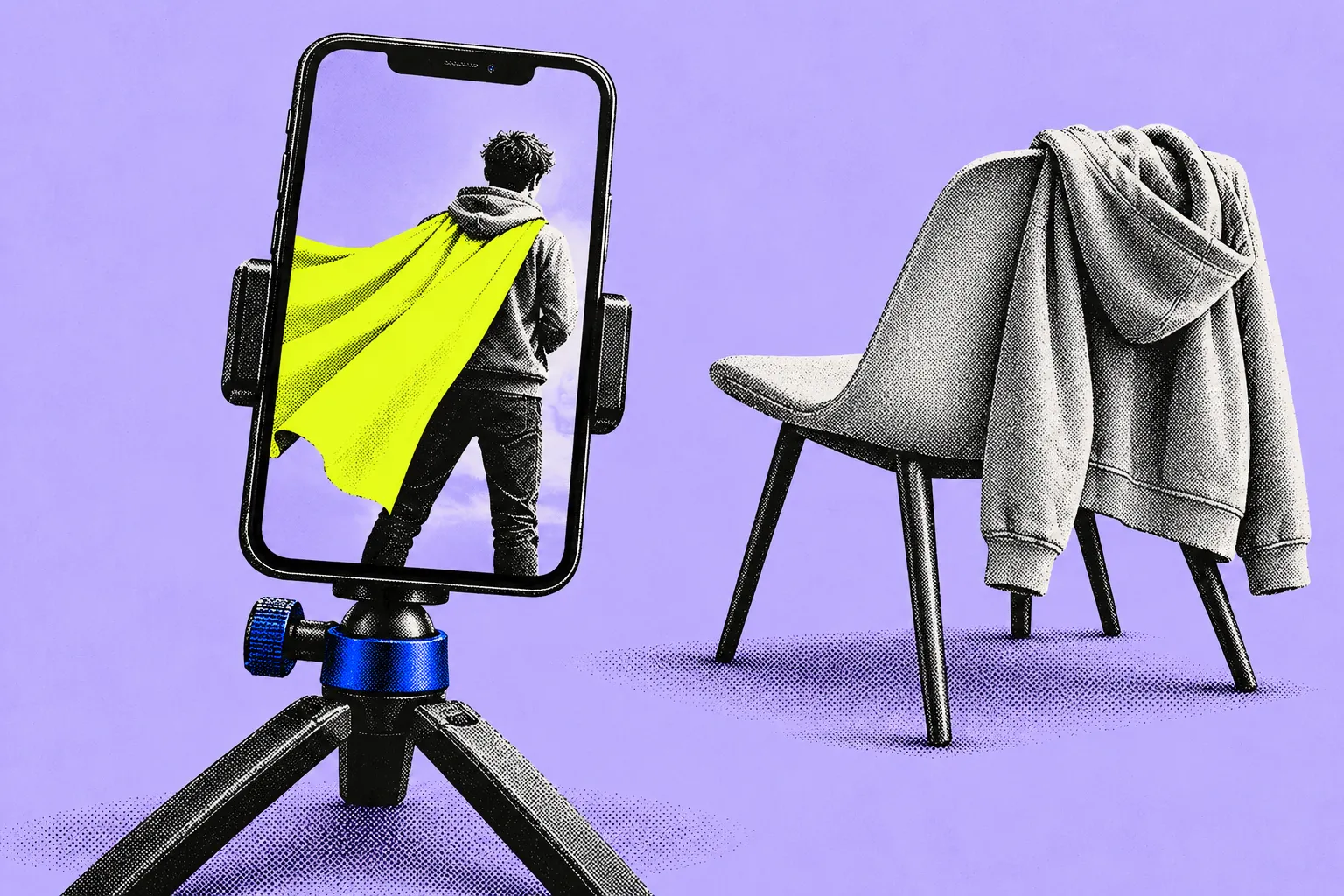
A survey commissioned by YouTube finds that 61% of young Americans who post videos are interested in using AI to put themselves into their content. Among those who already post AI videos, more than two-thirds say they appear in them.
The findings come from YouTube's Culture & Trends series. Research firm NRG surveyed nearly 700 people in the US aged 14 to 44 who had posted a video online in the previous 12 months. According to YouTube, 72% of these uploaders say they use AI on videos or images. Social Media Today reported the study on 21 October.
YouTube describes several uses: digital costume changes, in which people picture themselves as a doctor, judge or superhero; placing themselves in cinematic scenes or video games; doubling themselves on screen; and turning rough sketches into photoreal mock-ups, including clothing designs. It also points to a group it calls "AI auteurs", who use the tools to build whole fictional worlds.
The sample is small and US-only, and the published material does not give fieldwork dates or a margin of error. Putting real people into generated video also raises questions about consent, likeness and misleading content that the report does not address.
Marketers in Saudi Arabia and the Gulf, where YouTube and short video reach young audiences at scale, can take one practical point from this. Self-insertion is becoming a mainstream creative format, so brand prompts and challenges that invite people to star in their own AI scenes could work well. Usage rights and disclosure should be agreed with creators before such campaigns launch.
Why it matters
AI self-insertion is becoming a mainstream format among young creators, opening new participation ideas for brands, along with consent and disclosure questions.
Related trends.

Walmart opens its store to AI shopping agents, with spending limits
Walmart is building its own entry point for AI shopping agents, with a gateway for agents to connect and profiles that let customers cap what each agent spends. The move comes just as Amazon has started blocking agents from buying on its site.
Why it mattersWalmart offers a template for agentic commerce on the retailer's terms, a question Gulf marketplaces and their brand partners will soon have to answer.
YouTube adds AliExpress to its Shopping affiliate programme
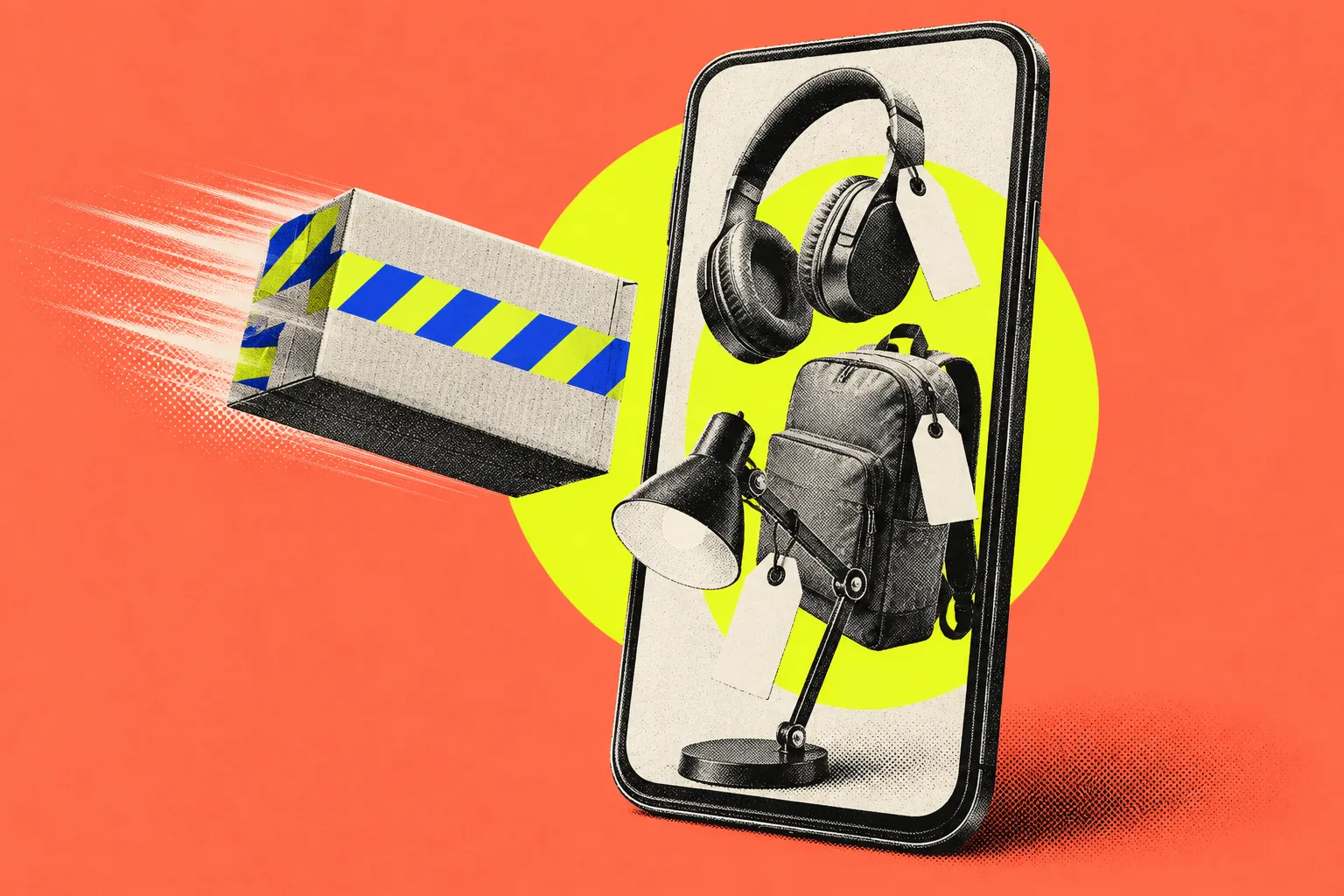
AliExpress and YouTube have signed a global affiliate partnership that lets eligible creators tag AliExpress products in their videos and earn commission. After a start in South Korea, it is expanding to the US, Brazil, the UK and Germany.
Why it mattersA major cross-border marketplace is plugging into YouTube creator commerce, adding price pressure on retailers wherever YouTube affiliate listings launch.

ChatGPT Ads will rewrite and resize ads automatically by default
OpenAI is turning on automatic creative enhancements for ChatGPT ads by default at the end of October. The setting lets the system rewrite ad text, translate it, resize images and change the landing page without advertisers approving each version.
Why it mattersDefault-on AI rewriting hands OpenAI control of ad copy, translation and landing pages unless advertisers opt out, a real brand-safety question for bilingual Gulf campaigns.