Ericsson: 63% of UAE smartphone users expected to hand daily tasks to AI agents by 2030.
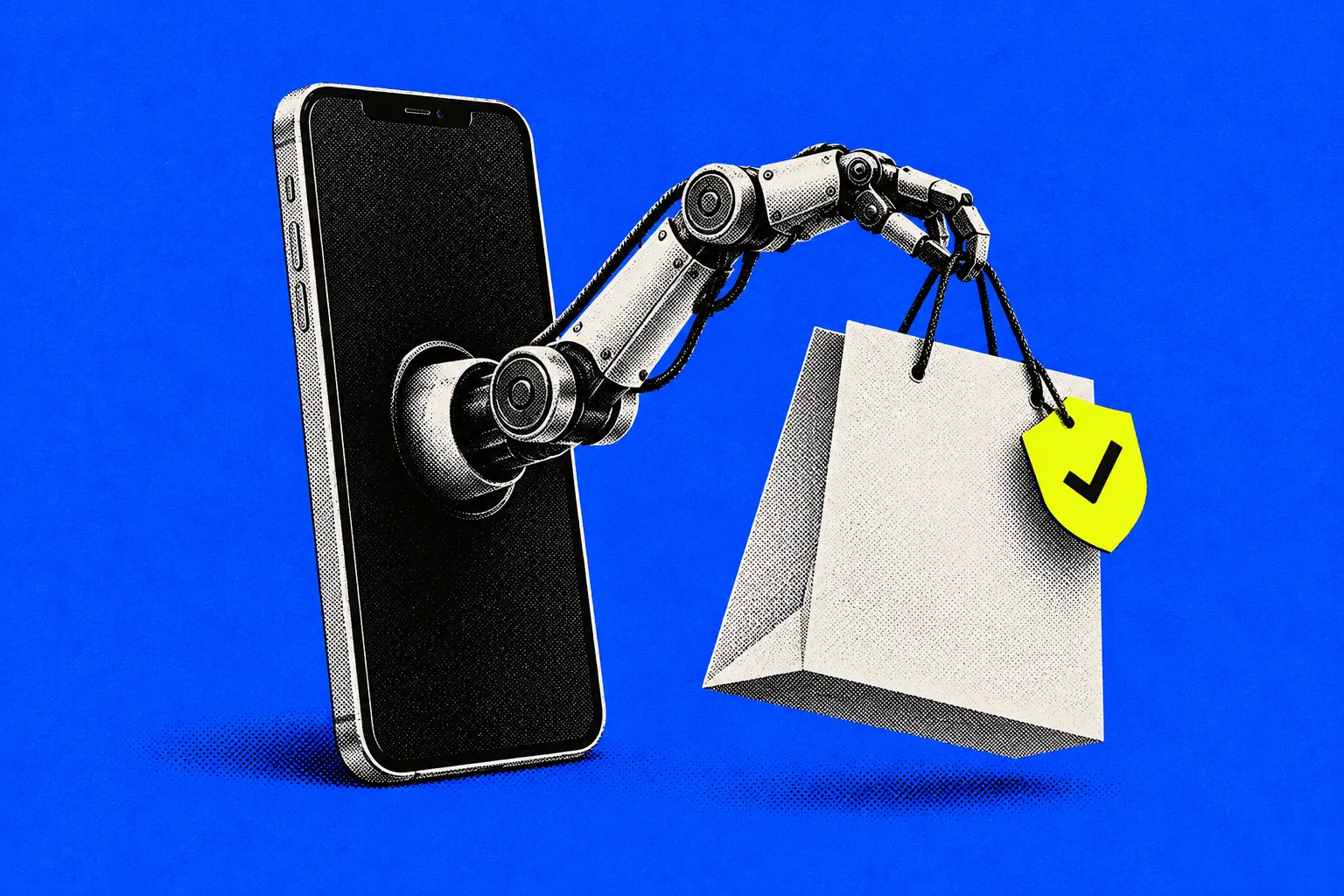
Ericsson ConsumerLab says 63% of smartphone users in the UAE are expected to hand everyday tasks to AI agents by 2030. One in ten UAE respondents already uses agentic AI for tasks they used to do themselves.
The UAE figures, reported by Communicate and Khaleej Times on 19 October, come from Ericsson's study "An agentic life", based on more than 43,000 smartphone users aged 15 to 69 in 27 markets, including the UAE, Saudi Arabia and Qatar; Ericsson says they represent about 1.7 billion smartphone users. The study counts 18% of UAE smartphone users as AI super users, people who make heavy use of multimodal AI, and projects that share rising to about 46% by 2030. Ericsson's global release in September put super users at about 10% of smartphone owners today and about 30% by 2030.
Trust is the other theme. In the UAE results, 54% of daily AI users are strongly concerned about fake AI assistants acting in their name, and the study found telecom operators were the most trusted party to verify an AI agent's identity. Jasmeet Sethi, Head of Ericsson ConsumerLab, said the UAE's uptake points to network needs "beyond active screen time".
Some caution is needed. The UAE breakdown does not appear on Ericsson's own report page, which gives global results only. The UAE coverage calls the 10% twice the global share, which Khaleej Times gives as 5%, while Ericsson's September release put global use at about 4%. The published material does not say how many respondents were in the UAE or when the fieldwork took place, and no Saudi or Qatari results were included.
For Gulf brands, the shift is from persuading people to being picked by software acting for them. If agents compare, book and buy on customers' behalf, product data, prices and stock levels need to be readable by machines, and the worry about fake assistants makes verified brand identity and secure customer channels part of the same job.
Why it matters
If most UAE smartphone users let AI agents act for them by 2030, brands will increasingly be picked by software; product data, pricing and verified identity must work for agents too.
Related trends.

ChatGPT Ads will rewrite and resize ads automatically by default
OpenAI is turning on automatic creative enhancements for ChatGPT ads by default at the end of October. The setting lets the system rewrite ad text, translate it, resize images and change the landing page without advertisers approving each version.
Why it mattersDefault-on AI rewriting hands OpenAI control of ad copy, translation and landing pages unless advertisers opt out, a real brand-safety question for bilingual Gulf campaigns.

Apparel Group launches AIVI, an AI shopping app for six GCC markets
Apparel Group has launched AIVI, an AI-driven fashion and lifestyle shopping app, in the UAE, Saudi Arabia, Kuwait, Qatar, Bahrain and Oman. The group's loyalty scheme, Club Apparel, has been renamed Club AIVI and folded into the app.
Why it mattersOne of the Gulf's biggest retail groups now puts AI styling, virtual try-on and loyalty in one app across six markets, raising the bar for regional fashion e-commerce.

UAE shoppers want AI to find deals, not to check out
Nearly six in 10 UAE adults (59%) plan to shop during the 2026 Dubai Shopping Festival, and three-quarters of those likely shoppers expect to use AI to make shopping easier, YouGov says. Few would let AI complete a purchase.
Why it mattersUAE shoppers will use AI to compare prices and reviews this DSF, but few trust it to buy. Make prices and reviews easy for assistants to read, and keep checkout in the shopper's hands.