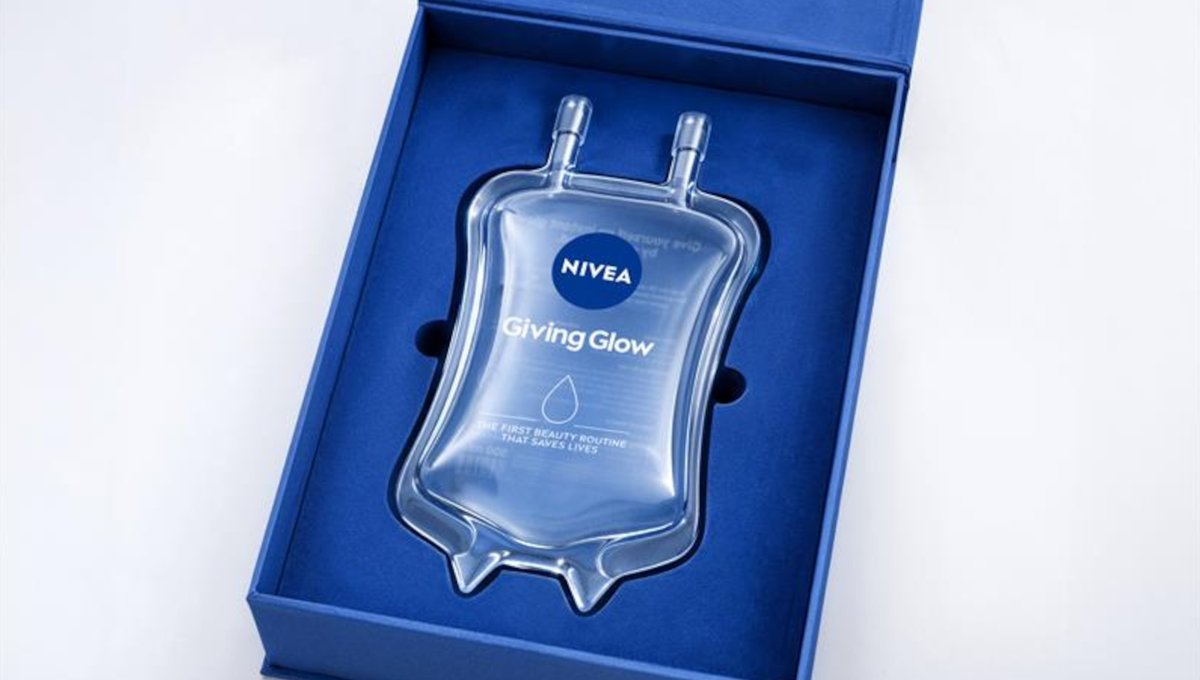
Dubai advertising school RAY graduates its first 25 students.

RAY, which bills itself as Dubai's first dedicated advertising school, has graduated its first cohort of 25 students. Their final brief was Coca-Cola's global "The World Will Wait" platform, Communicate reported on 23 October.
The course ran for three weeks, with nine masterclasses covering strategy, idea development, AI, craft and case studies, and the students worked in six groups. The graduation took place at the American University in Dubai, where the cohort was based. Co-founder Santiago Cuesta is the only founder named. Mentors included Derek Green, chief creative officer of TBWA\RAAD; Muhammad Ali, executive creative director of Leo MEA; Nayaab Rais, executive creative director of FP7 McCANN MENAT; and Passant El-Ghannam, Kraft Heinz's chief marketing officer for MENA.
The brief built on the insight behind Coca-Cola's platform: people treat notifications as urgent and meals as optional. Each team had to unpack that idea, build a social strategy and prototype two creator concepts. The jury was Islam ElDessouky, Coca-Cola's global vice president of creative strategy and content; Rais; Professor Dina Faour of AUD; and Julien Hawari, editor-in-chief of Communicate. ElDessouky told the students that an idea tied to one channel is a tactic, not an idea.
Communicate was RAY's media partner and offered scholarship places and internships, so the account comes from a party involved in the programme. No winning team was named, and the report gives no fees, entry requirements, accreditation or dates for the next intake.
Gulf agencies have long hired much of their creative talent from abroad. Short, practical courses taught by senior people from the big networks, and judged against a live global brief, are one way to build a home-grown pipeline, and Saudi agencies and brands facing the same gap will be watching whether the model scales.
Why it matters
Practitioner-led courses with real briefs are becoming a talent pipeline for Gulf agencies, taught by creative leaders from the big networks.
Related trends.

McDonald's ends its 32-year FIFA World Cup sponsorship
McDonald's is ending its FIFA World Cup sponsorship after 32 years, Adweek reported on 23 October. The move follows a 2026 World Cup campaign that the company's own finance chief said fell short of expectations.
Why it mattersOne of sport's longest sponsorships is ending because the brand thinks its own assets now work harder than a borrowed tournament.
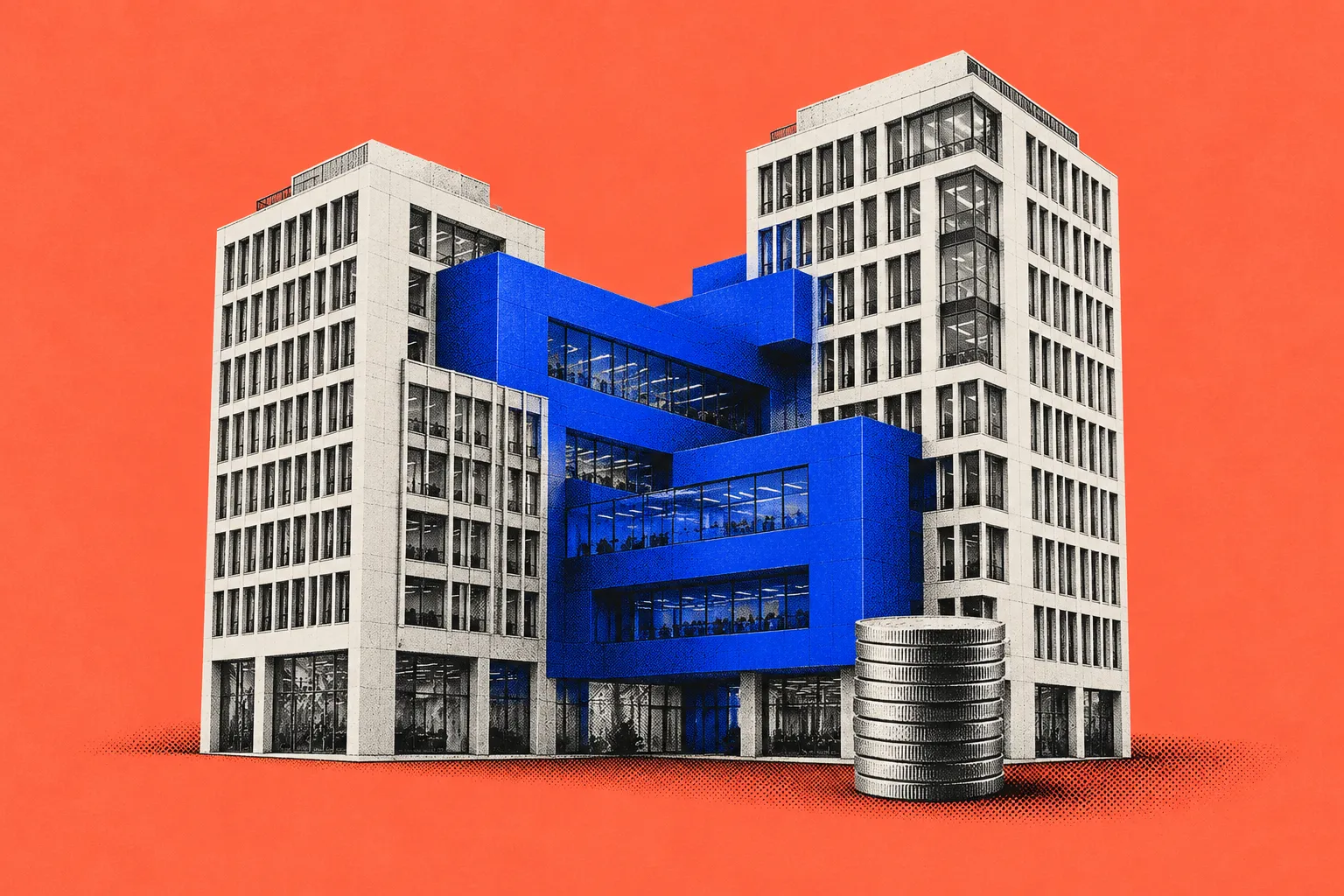
Omnicom says IPG integration is almost done, $900m savings on track
Omnicom says its integration of IPG is substantially complete, nearly a year after the deal closed, and that it is on track for $900m in cost savings this year. Third-quarter revenue grew 7.2% organically to $6bn, excluding businesses held for sale.
Why it mattersThe merged group says the disruption is mostly behind it, with media driving growth while creative revenue slips.
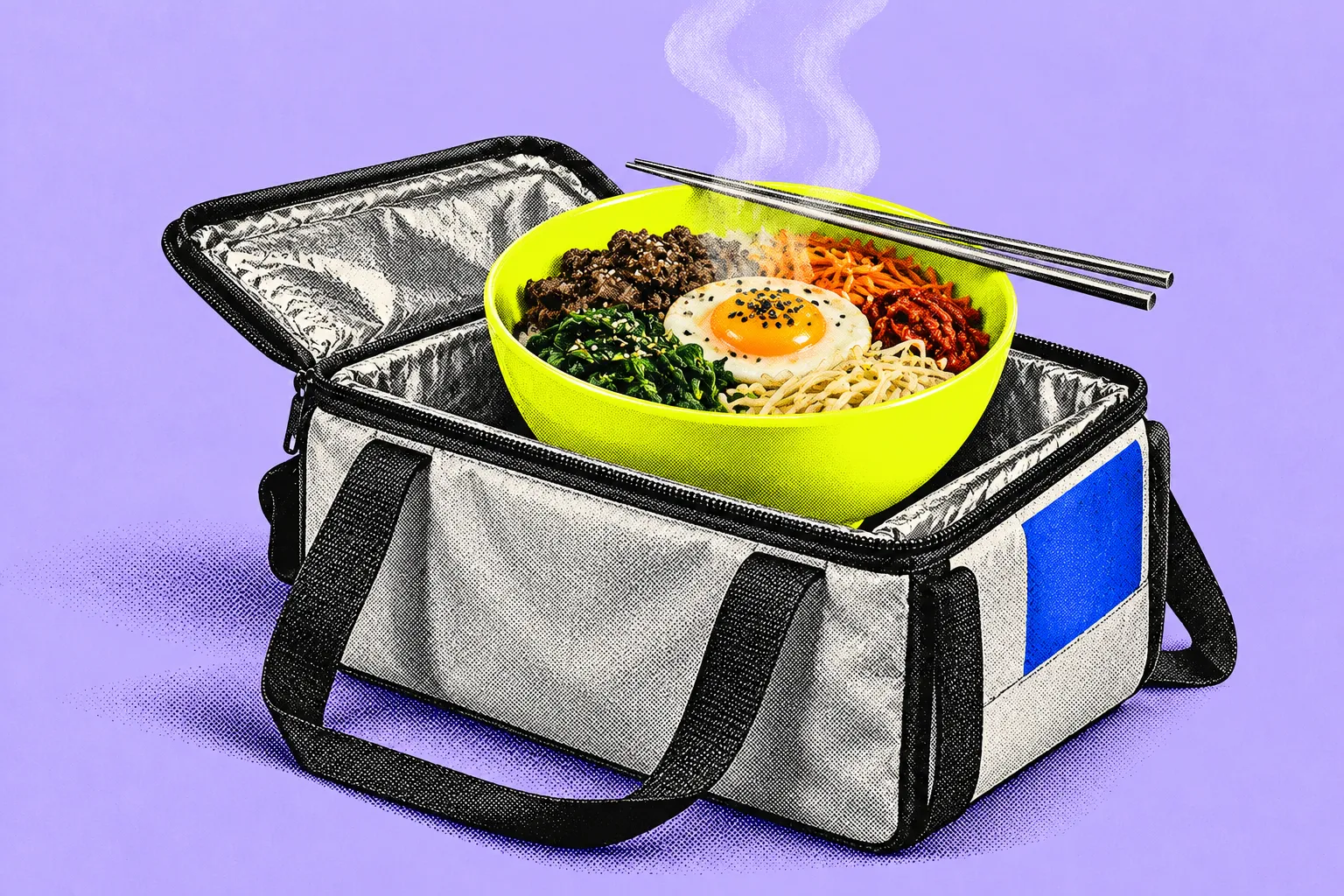
bibigo hands GCC experiential and shopper marketing to PurpleGlo
Korean food brand bibigo has appointed Dubai agency PurpleGlo to run its experiential and shopper marketing across the GCC after a competitive pitch. Early work will include tie-ups with quick-commerce platforms such as noon Minutes.
Why it mattersA major Korean food brand is building Gulf demand through quick-commerce and in-person experiences rather than media alone.