Omnicom says IPG integration is almost done, $900m savings on track.
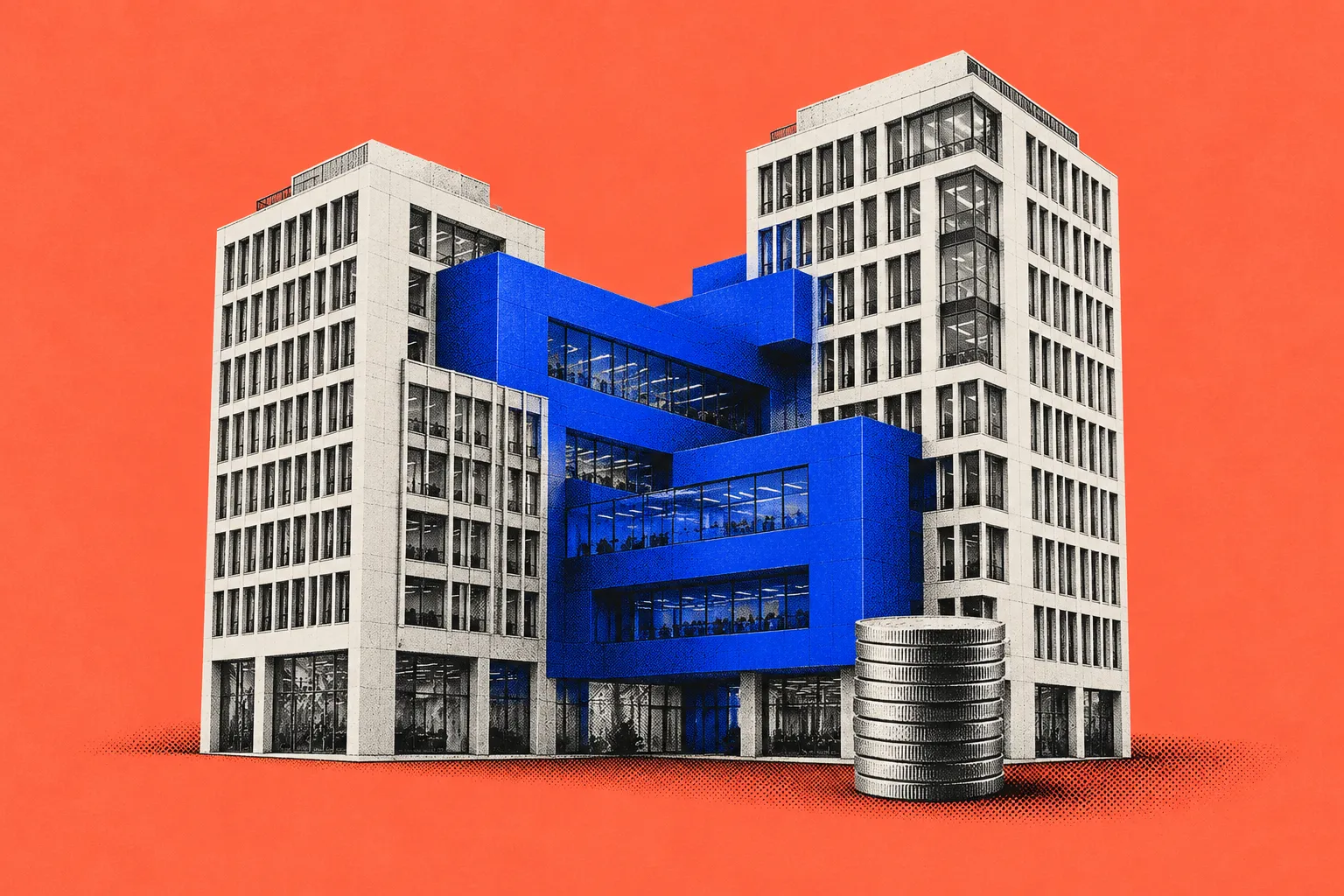
Omnicom says its integration of IPG is substantially complete, nearly a year after the deal closed, and that it is on track for $900m in cost savings this year. Third-quarter revenue grew 7.2% organically to $6bn, excluding businesses held for sale.
Chief executive John Wren gave the update on the 22 October earnings call. He said most of the businesses Omnicom had marked as non-core have been sold and the remaining handful should go soon; Marketing Dive notes the process has also involved layoffs. Integrated media grew by more than 10% in the quarter, with new wins including Novo Nordisk's US media buying, and on the same day Coca-Cola moved its North America media to Omnicom while keeping WPP globally. Adweek puts total reported third-quarter revenue at $6.4bn and adjusted EBITDA at $1.1bn, with media accounting for 53% of core operations.
The picture is less rosy on the creative side. Revenue in the advertising segment fell by a mid-single-digit percentage in the quarter. Omnicom lost PepsiCo's global media to Publicis in September, Tyler Turnbull left this month to lead WPP's creative business, and Troy Ruhanen, most recently head of Omnicom Advertising, has retired. Wren said the company does not revolve around any one person. Omnicom also manages $9.9bn of sports sponsorships for clients.
Omnicom did not give a regional breakdown, so there is nothing yet on how the Middle East is performing or how local teams have been reshaped. Adweek's figures also don't fully reconcile on the margin, and the businesses still to be sold weren't named.
In the Gulf the merged group owns networks including OMD, PHD, Impact BBDO, TBWA\RAAD and FP7 McCANN. Clients in Saudi Arabia and the UAE can expect the pitch to lean on combined media scale and data, and should ask what the integration means for the people on their accounts.
Why it matters
The merged group says the disruption is mostly behind it, with media driving growth while creative revenue slips.
Related trends.
McDonald's ends its 32-year FIFA World Cup sponsorship
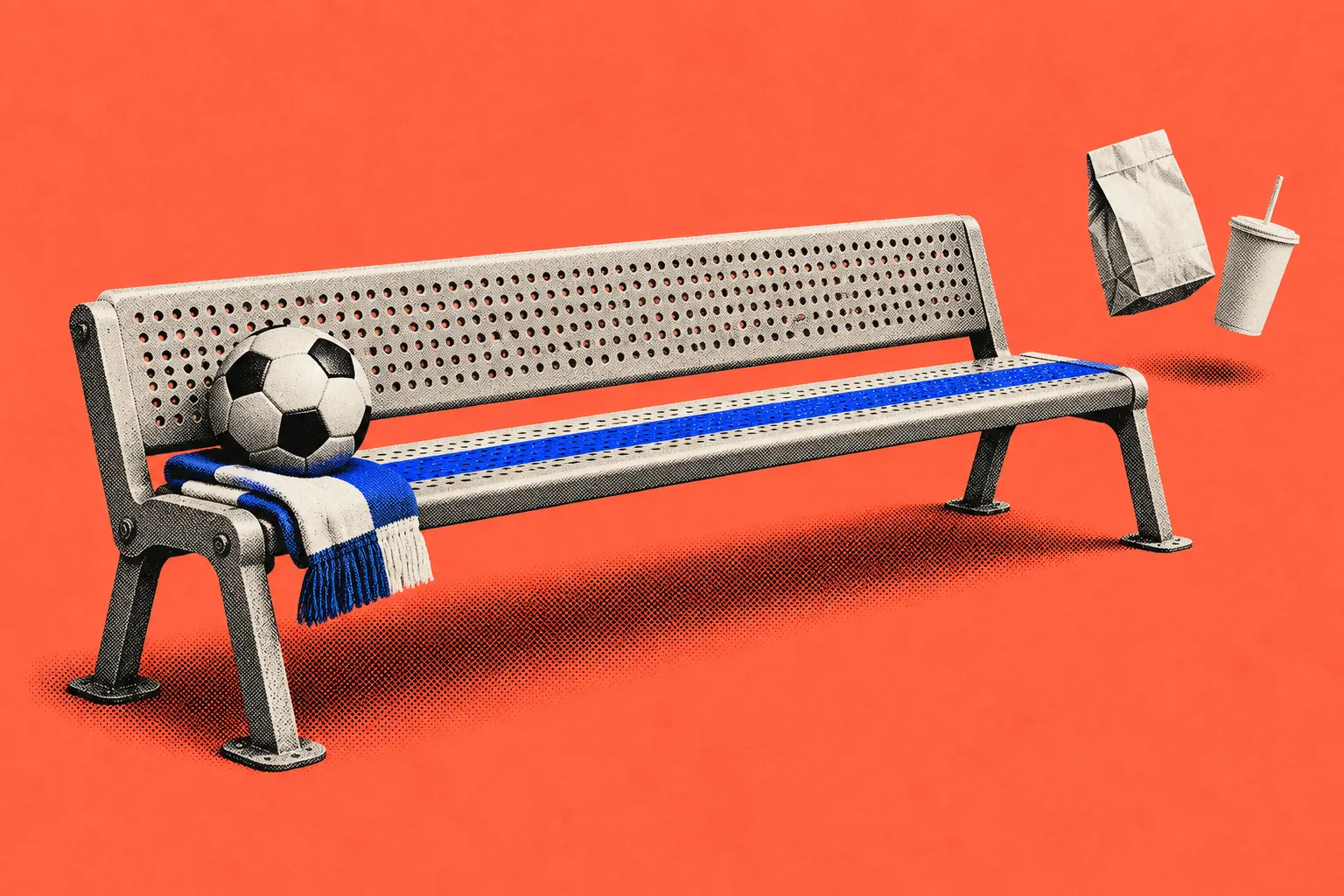
McDonald's is ending its FIFA World Cup sponsorship after 32 years, Adweek reported on 23 October. The move follows a 2026 World Cup campaign that the company's own finance chief said fell short of expectations.
Why it mattersOne of sport's longest sponsorships is ending because the brand thinks its own assets now work harder than a borrowed tournament.

Dubai advertising school RAY graduates its first 25 students
RAY, which bills itself as Dubai's first dedicated advertising school, has graduated its first cohort of 25 students. Their final brief was Coca-Cola's global "The World Will Wait" platform, Communicate reported on 23 October.
Why it mattersPractitioner-led courses with real briefs are becoming a talent pipeline for Gulf agencies, taught by creative leaders from the big networks.
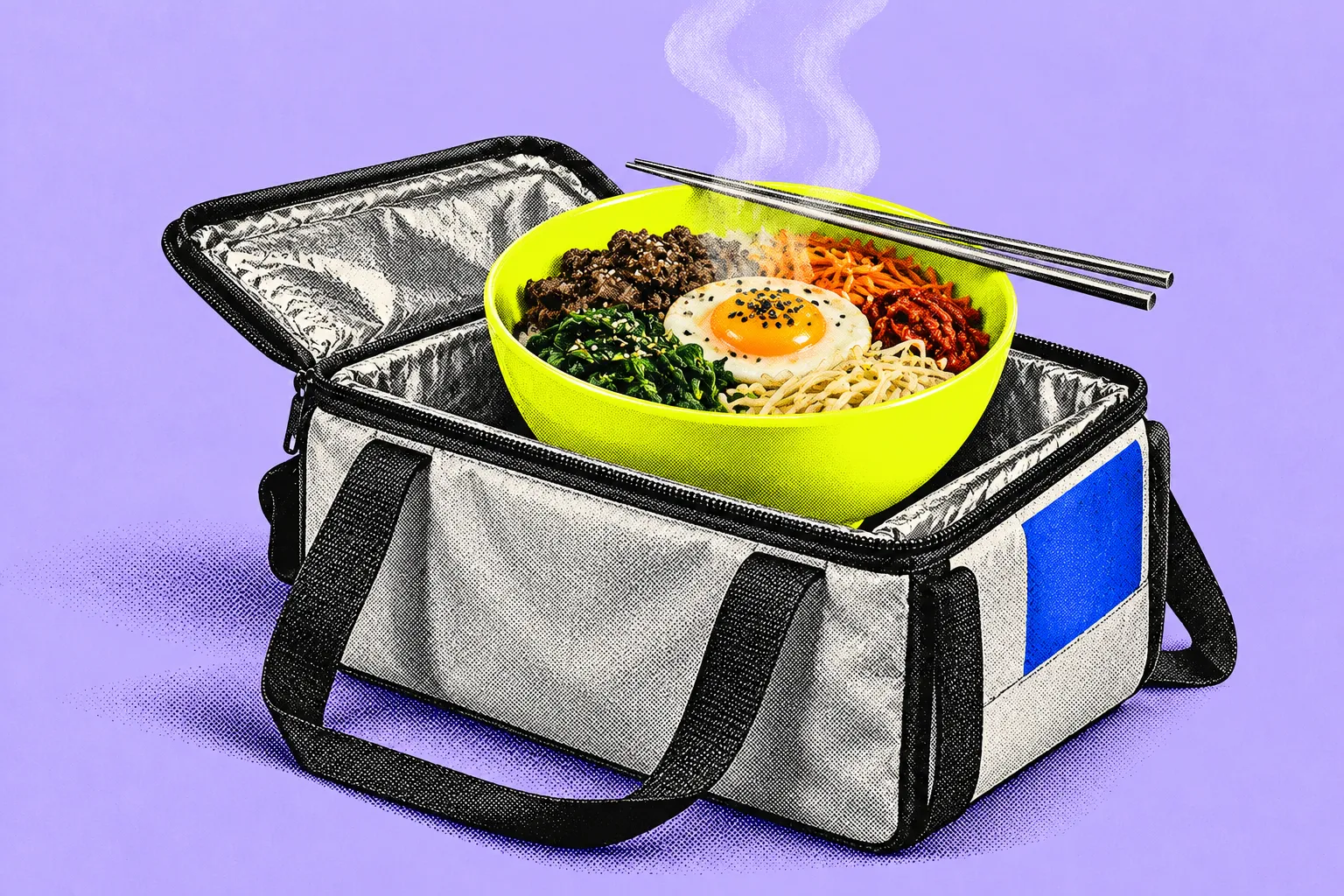
bibigo hands GCC experiential and shopper marketing to PurpleGlo
Korean food brand bibigo has appointed Dubai agency PurpleGlo to run its experiential and shopper marketing across the GCC after a competitive pitch. Early work will include tie-ups with quick-commerce platforms such as noon Minutes.
Why it mattersA major Korean food brand is building Gulf demand through quick-commerce and in-person experiences rather than media alone.