Proving creative impact at Cannes in 2026.
WARC’s analysis of 2026 Creative Effectiveness Lions entries offers a practical test for case films: can someone outside the market follow the evidence?
By Brief & Butter · 22 Nov 2026Research publisher: WARC
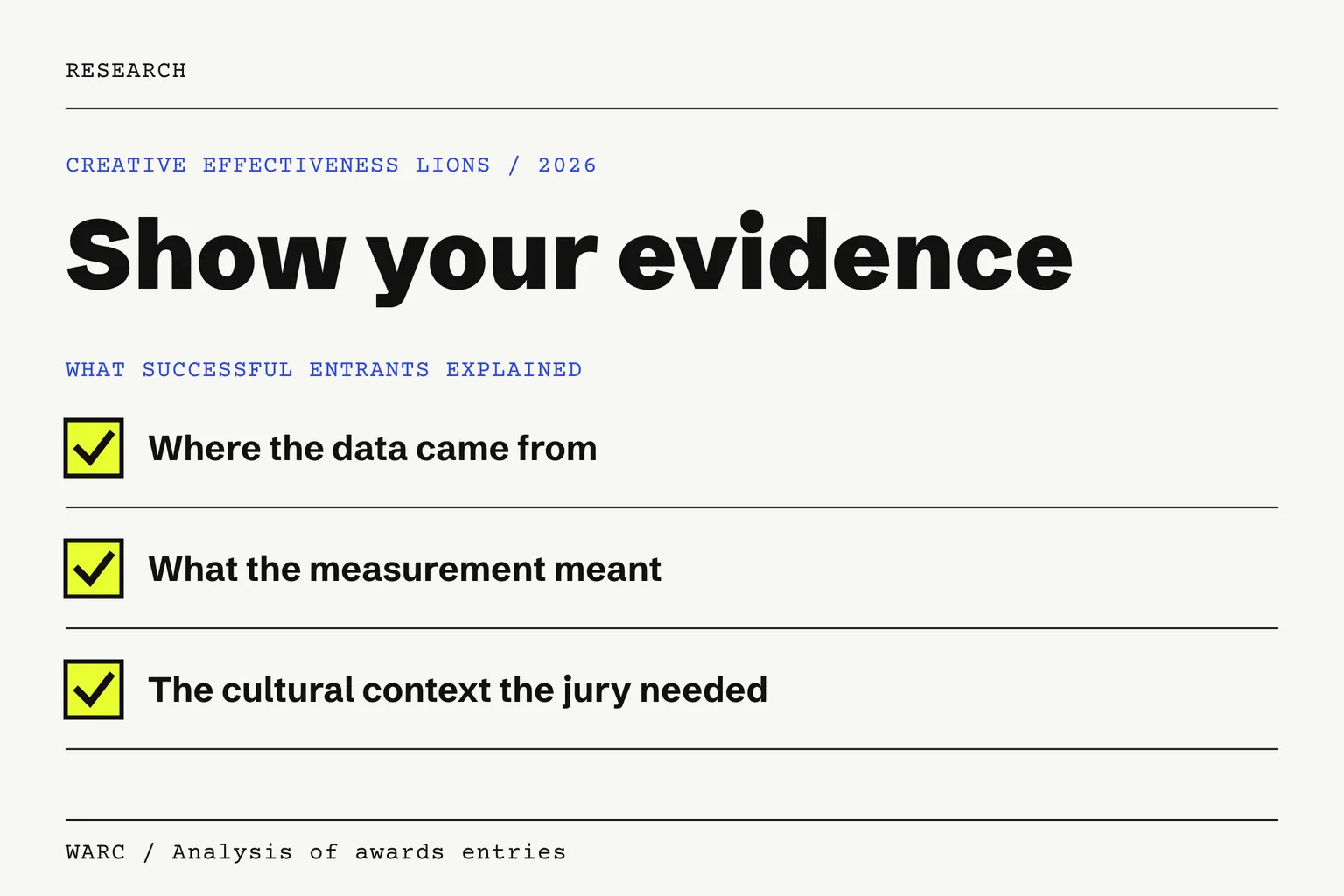
A case film can make an idea immediately understandable and still leave its impact unclear. WARC’s August review of Creative Effectiveness Lions entries calls out a detail that is easy to cut for time: successful entrants explained the origin of their data, what the measurement meant and the cultural context the jury needed.
A Saudi example to read alongside WARC
In Saudia’s Let It Fly, buying local cultural products earned travellers a luggage sticker and extra baggage allowance. The campaign entry reports more than 39,000 stickers redeemed. That tells the jury something concrete: people used the offer. It leaves another question open: how many purchases happened because of the offer? This is our application of WARC’s lens to a separate Brief & Butter case.
What the case film needs
Start with the decision a traveller faced before the offer. Then show how the allowance changed the calculation. To support an incremental sales claim, a retailer could compare eligible purchases with a credible baseline, account for seasonal traffic and identify who supplied the sales records. If redemption is the only verified outcome, it is strong enough to stand on its own as evidence of participation.
Why it matters
Give every results slide a named source, a comparison period and a sentence explaining what the number proves. Those details give an international jury enough context to understand a locally specific idea.
WARC provides a public summary of its analysis. Its findings describe awards entries, a selected group of campaigns.
Brief & Butter analysis (PDF)
Two pages, English and Arabic. The publisher’s study is linked above.
Related research.
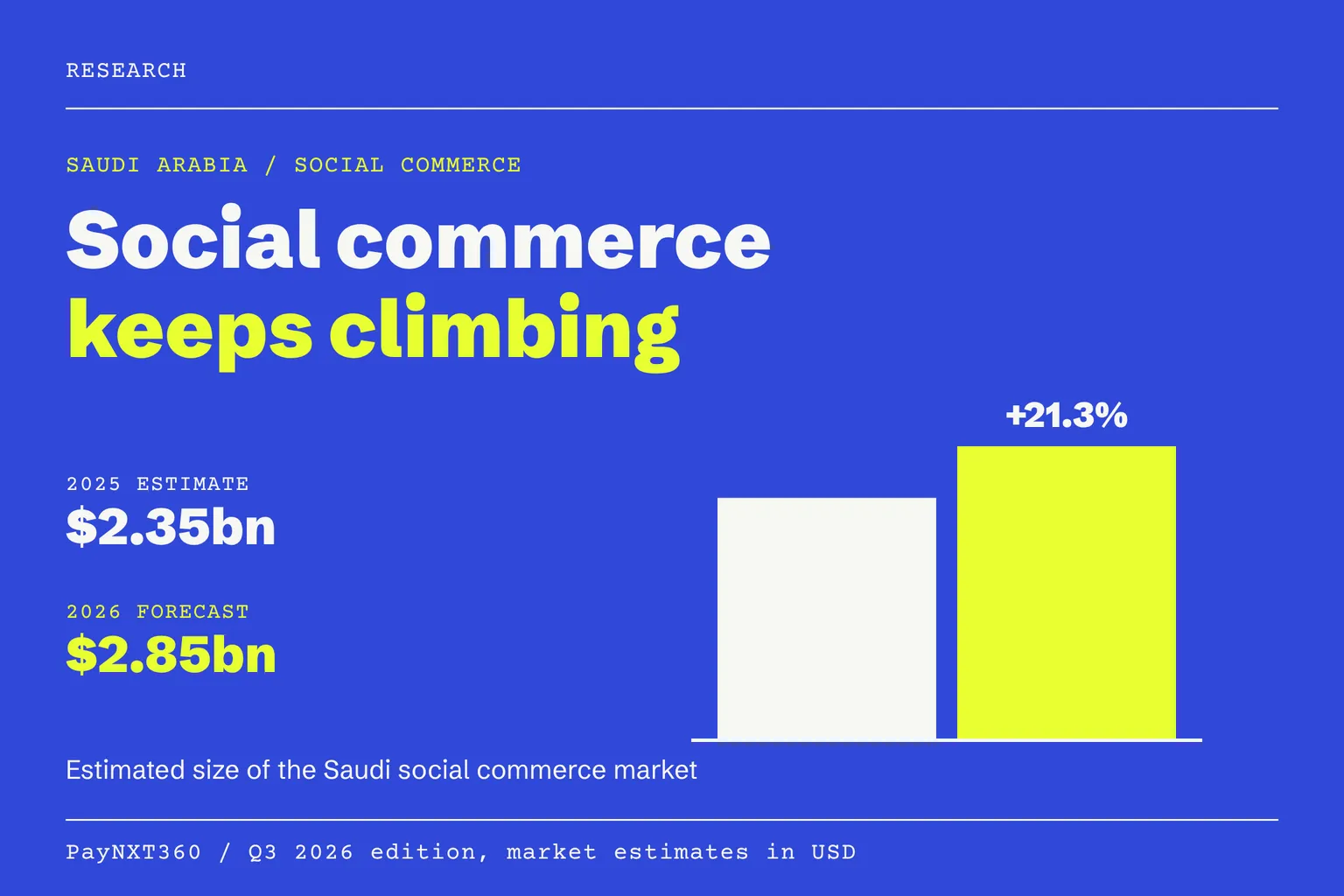
Saudi social commerce in 2026 — where does checkout happen?
PayNXT360 forecasts 21.3% growth in 2026. A Saudi Ramadan shopping experience shows why finding a product and paying for it deserve separate measures.
Why it mattersAsk the platform for the action it can observe and the retailer for the transaction it can verify. A budget review is more useful when it can explain the gap between the two.
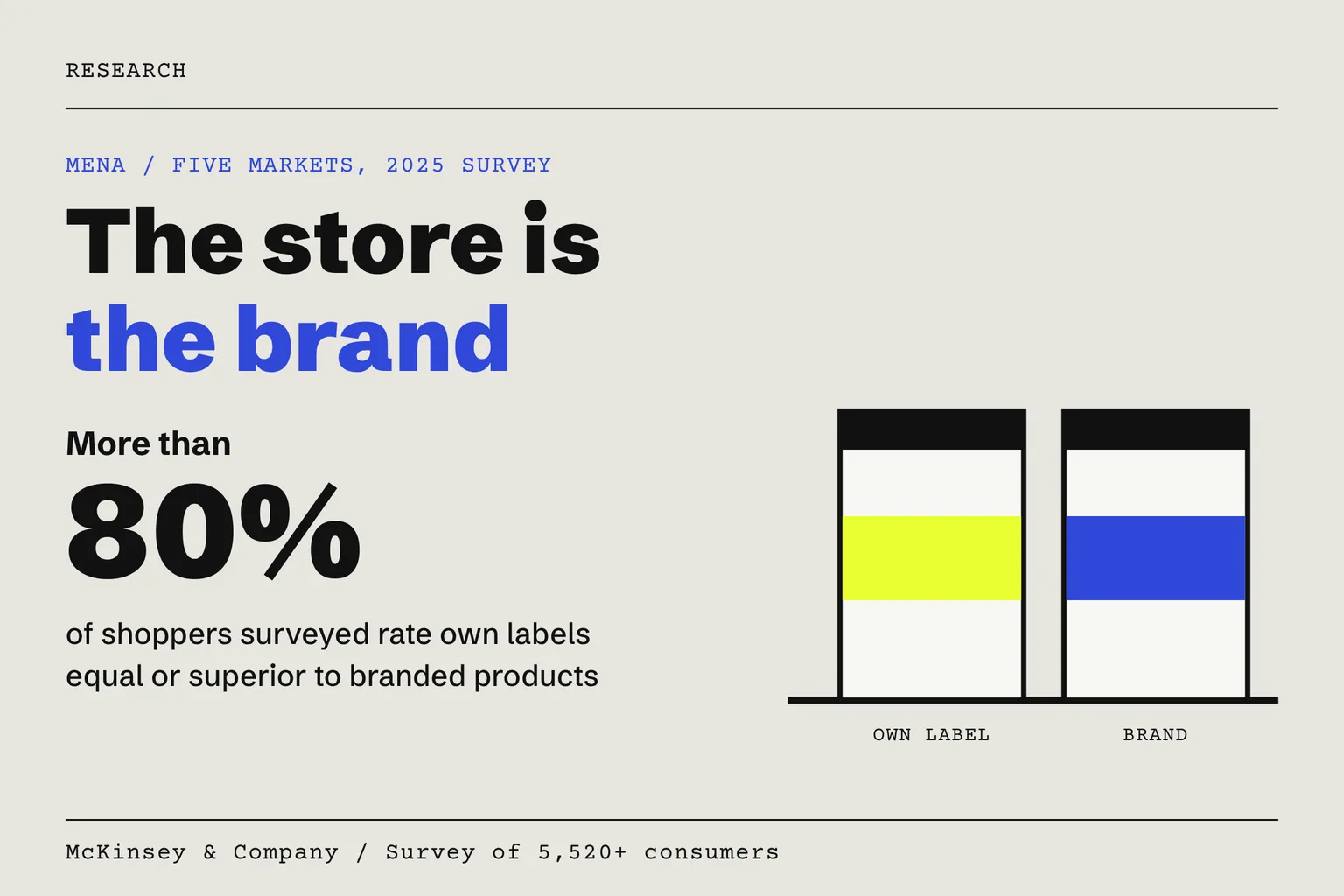
MENA grocery in 2026 — when the supermarket becomes the brand
Across five MENA markets, more than four in five shoppers surveyed rated retailers’ own labels as good as or better than branded products. What still earns a premium on the shelf?
Why it mattersBefore putting “value” in a brief, decide how a shopper can recognise it. For one product it may be fewer failed meals. For another it may be a predictable cost per serving. Each calls for different creative work.
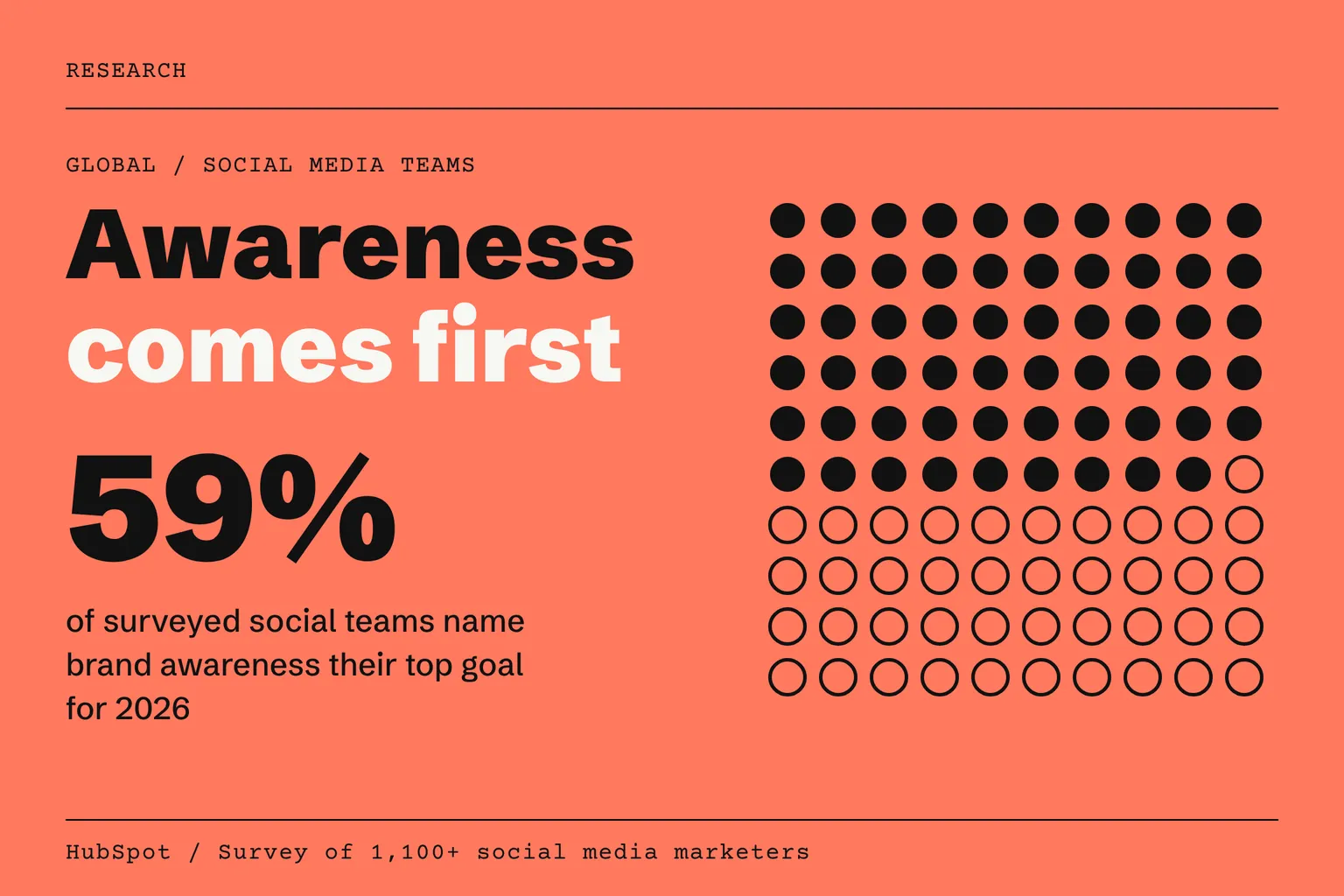
If awareness is the brief, why does the dashboard lead with clicks?
In HubSpot’s 2026 social media study, 59% of teams named brand awareness their first priority. That choice has consequences for how a campaign should be judged.
Why it mattersAgree the evidence before approving the creative. A team trying to make a brand memorable should know how it will recognise success even if the audience buys later, searches the name, or visits a branch.