YouTube Culture & Trends report: 72% of US video posters aged 14 to 44 have used AI on images or video.
YouTube's Culture & Trends team finds generative AI used for self-expression, with 61% of US video posters aged 14 to 44 interested in putting themselves into AI video.
By YouTube Culture & Trends · Oct 20, 2026
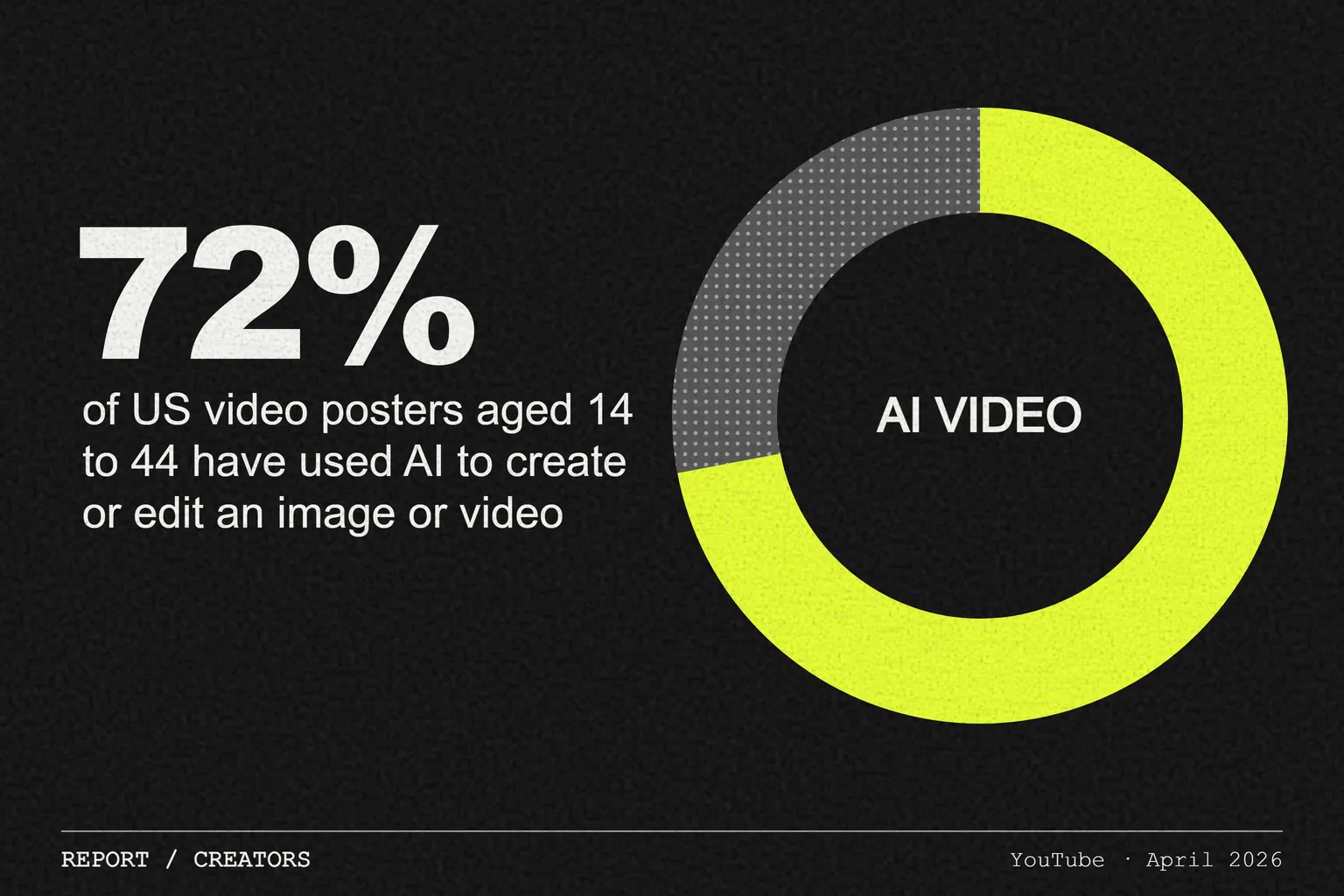
Human Creativity and AI, a report from YouTube's Culture & Trends team, argues that generative video has moved from novelty to a tool for personal expression. In a Google survey run by the research firm NRG among 694 people in the US aged 14 to 44 who had posted videos online in the past year, 72% have used AI to help create or edit an image or video, and 61% are interested in using AI to put themselves into video content.
Alongside the survey, the team reviewed hundreds of generative videos and content trends from the past year. It groups what people make into three themes: exploring personal identity, sharing interests and passions, and realising ambitious creative visions.
72%
of US video posters aged 14 to 44 have used AI to help create or edit an image or video
61%
are interested in using AI to insert themselves into video content
68%
of posters who use AI for images or video have made a video featuring themselves
66%
feel inspired to try new AI tools after watching videos that use them
Key findings
- Putting yourself in the picture. 68% of posters who have used AI for images or video say they have made a video featuring themselves, and 61% of all posters are interested in doing so.
- Identity and memory. Popular trends include digital costume changes, in which people picture themselves as a doctor, a judge or a superhero, and "hug your younger self" videos that animate childhood photos. Creators also use AI to restore old family pictures: PiXimperfect made new colour images of his grandfather from the one photo of him that survives.
- Hobbies and fandoms. Fashion designers turn sketches into runway videos, fans picture themselves in realistic cosplay of their favourite characters, and the Minecraft creator Kristufer uses Google Flow to host ASMR mukbangs from a fictional restaurant.
- The rise of AI auteurs. A new group of creators builds whole cinematic worlds on small budgets and attracts loyal audiences, from the sci-fi channel Gossip Goblin, with 1.48 million subscribers, to the comedy hamster Anxious Kim Hamzzi, with 716,000. YouTube calls this an "era of direction", in which audiences value taste and a consistent vision over technical effects that are now within anyone's reach.
- Watching inspires trying. 66% of posters say they feel inspired to try new AI tools after watching videos that use them, and the report concludes that audiences welcome AI-made content when creators openly invite them into their vision.
How the research was done
YouTube's Culture & Trends team reviewed hundreds of generative videos and content trends from the past year and surveyed people with NRG. Every figure in the report comes from a single Google and NRG survey in the US in April 2026 of 694 people aged 14 to 44 who had posted videos online in the past 12 months, or the 482 of them who had used AI for images or video in the case of the 68% figure. The report says the team surveyed thousands of people in several countries, but it gives results only from the US survey, and no margin of error. The sample includes teenagers aged 14 to 17. YouTube owns the platform the report describes, and Google makes some of the tools it names, including Nano Banana, Gemini Omni and Flow.
What it means for marketers
For brands in Saudi Arabia and the Gulf, the lesson is about participation. If people are this keen to put themselves into AI scenes, brand prompts, effects and challenges that let audiences star in their own stories may draw more creative effort than branded content they only watch. The rise of AI auteurs also offers a new kind of creator partner, chosen for taste and a consistent world rather than for production budget.
The report says nothing about consent or likeness rights, and on disclosure says only that audiences welcome AI content when creators are transparent. Any campaign that invites people to generate videos of themselves, or that works with AI-first creators, should settle usage rights and label AI content clearly before launch. The data is American and the sample small, so treat it as a sign of direction rather than a measure of the Gulf market.
About this report
Published by YouTube Culture & Trends, October 2026. Free. Get the full report from YouTube
Sources
More stories.
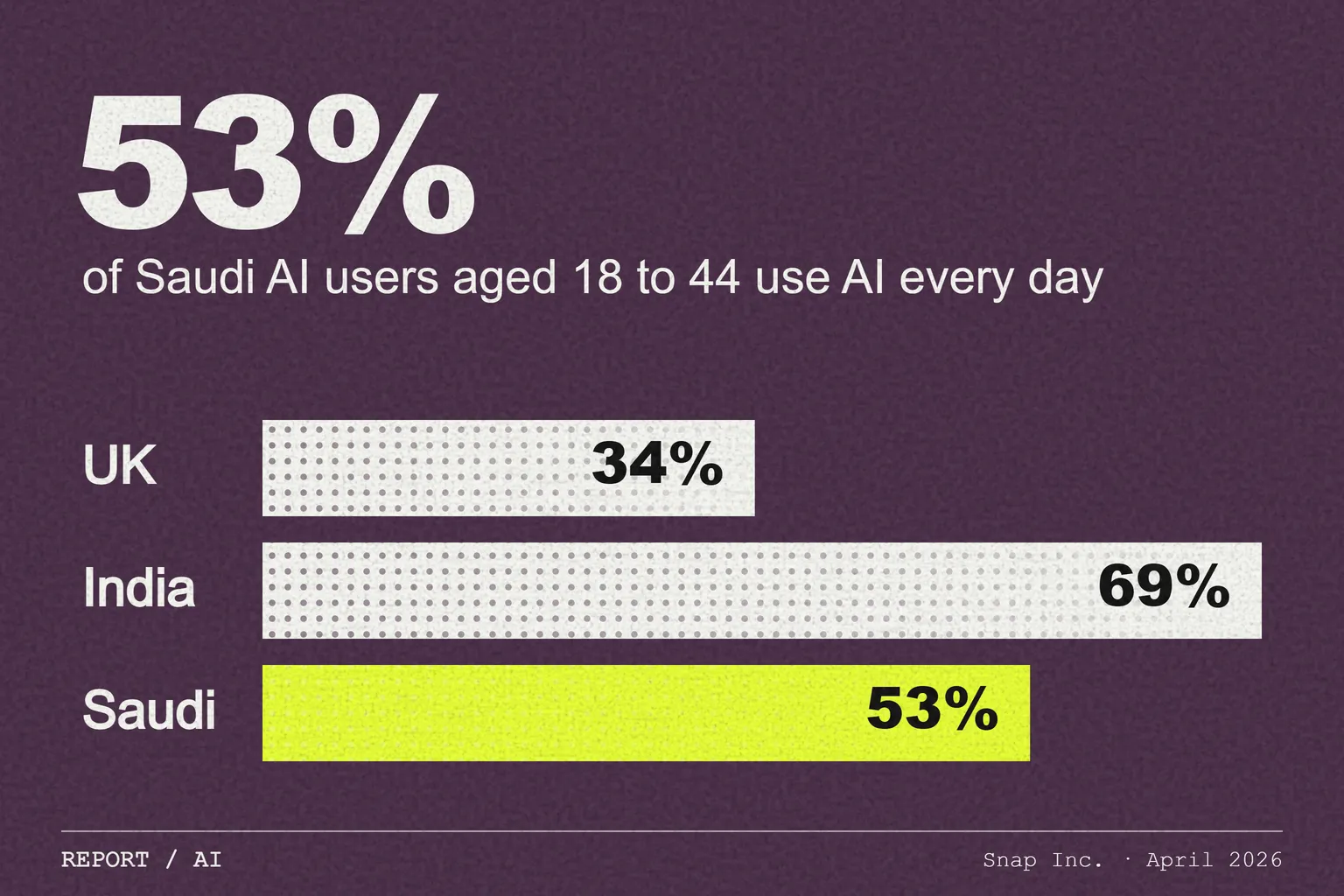
Snap, WPP and Ipsos AI report: 53% of Saudi AI users use it daily, but 65% find hyper-personalised AI ads intrusive
Ipsos surveyed 4,261 AI users aged 18 to 44 in five markets, Saudi Arabia among them, for Snap and WPP: people want AI as a social helper, but 70% find hyper-personalised AI ads intrusive.
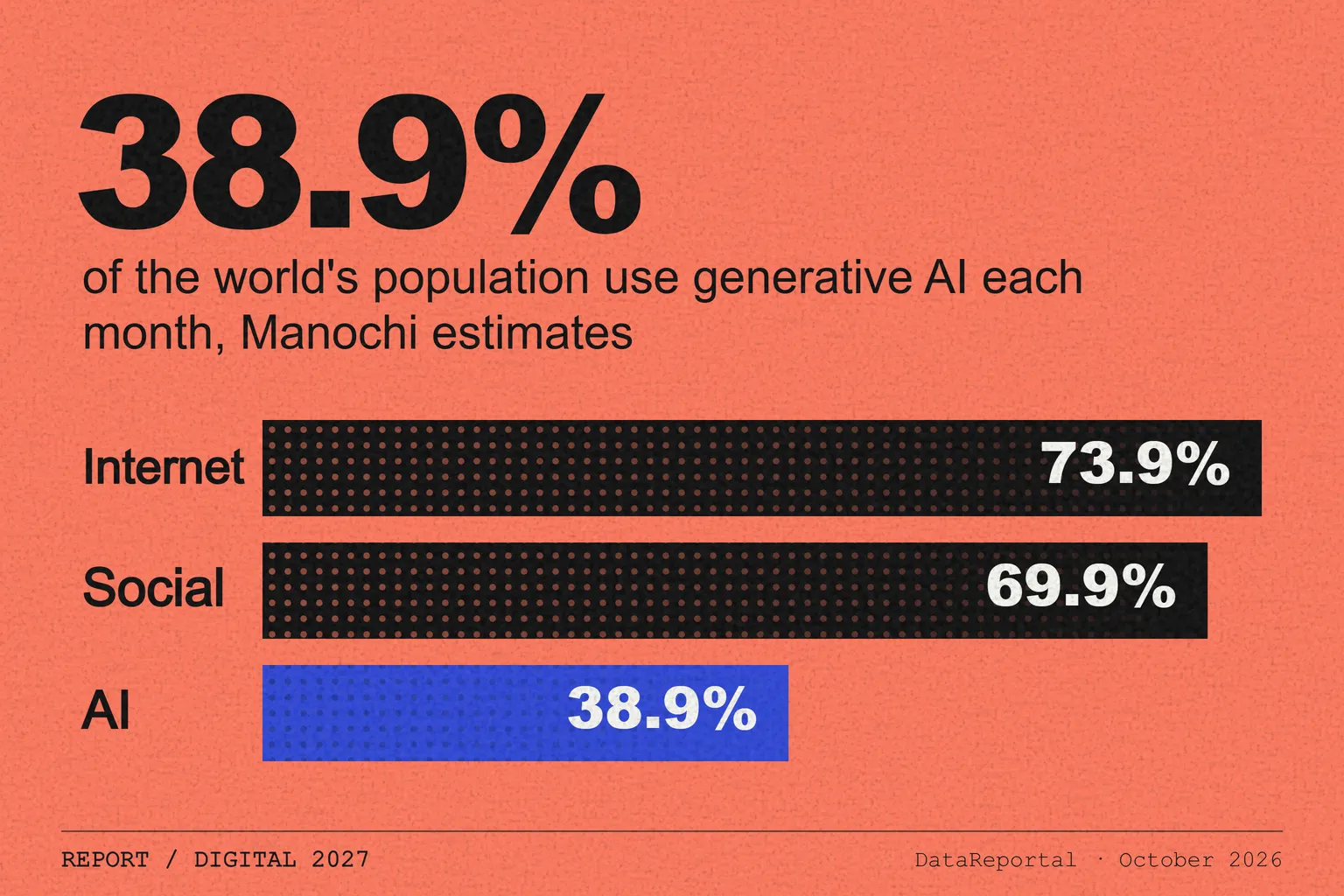
Digital 2027 Global Overview: 6.15 billion online, 3.24 billion using generative AI
DataReportal's Digital 2027 report counts 6.15 billion internet users and 5.81 billion social media user identities, while monthly users of generative AI platforms grew by more than 1.2 billion in a year.
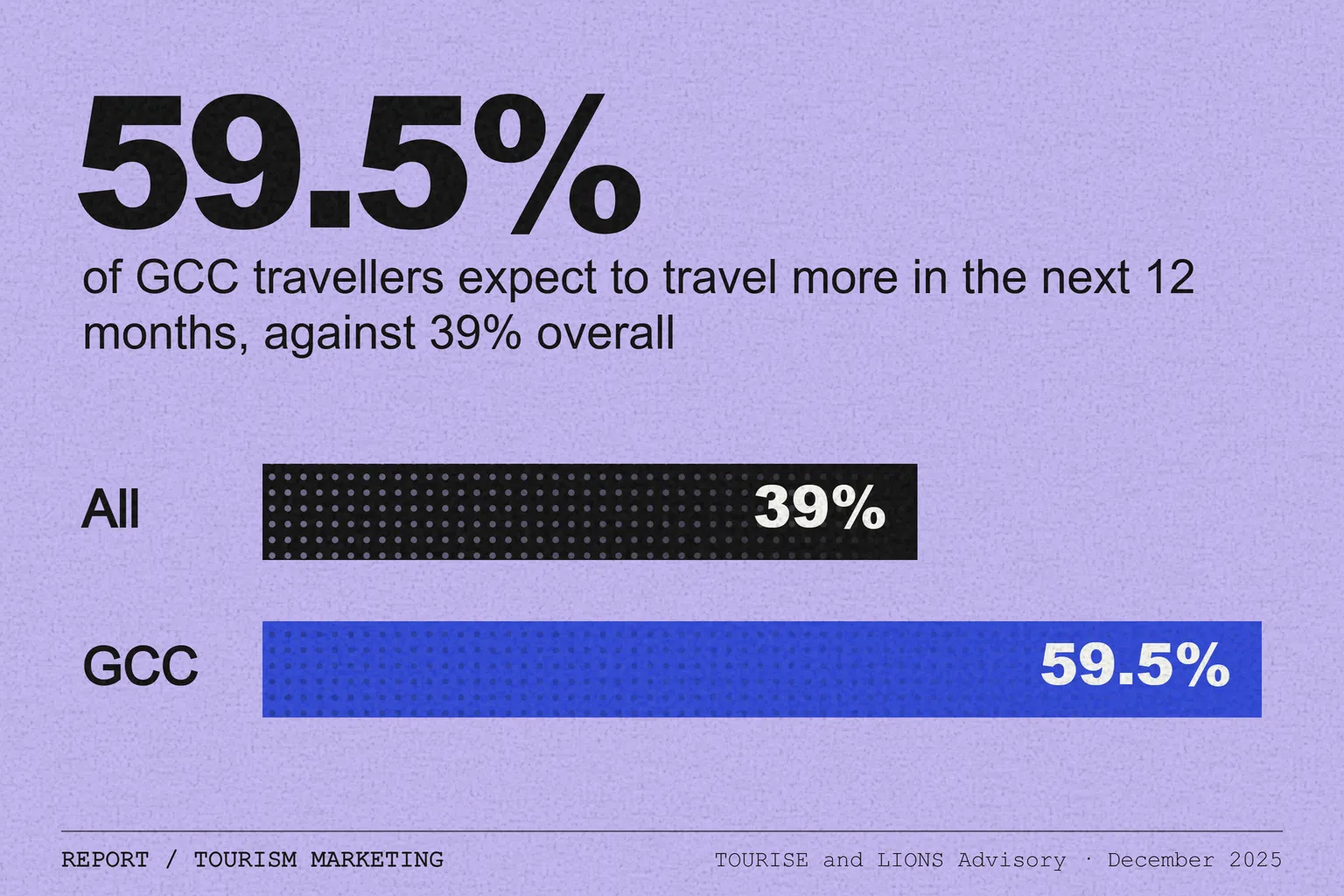
TOURISE and LIONS: travel demand is rising, but tourism ads look alike
In a survey of 8,374 international travellers for TOURISE and LIONS Advisory, 60% say many travel ads look alike and half can't recall the last one they saw.