Snap, WPP and Ipsos AI report: 53% of Saudi AI users use it daily, but 65% find hyper-personalised AI ads intrusive.
Ipsos surveyed 4,261 AI users aged 18 to 44 in five markets, Saudi Arabia among them, for Snap and WPP: people want AI as a social helper, but 70% find hyper-personalised AI ads intrusive.
By Snap Inc., WPP and Ipsos · Oct 22, 2026
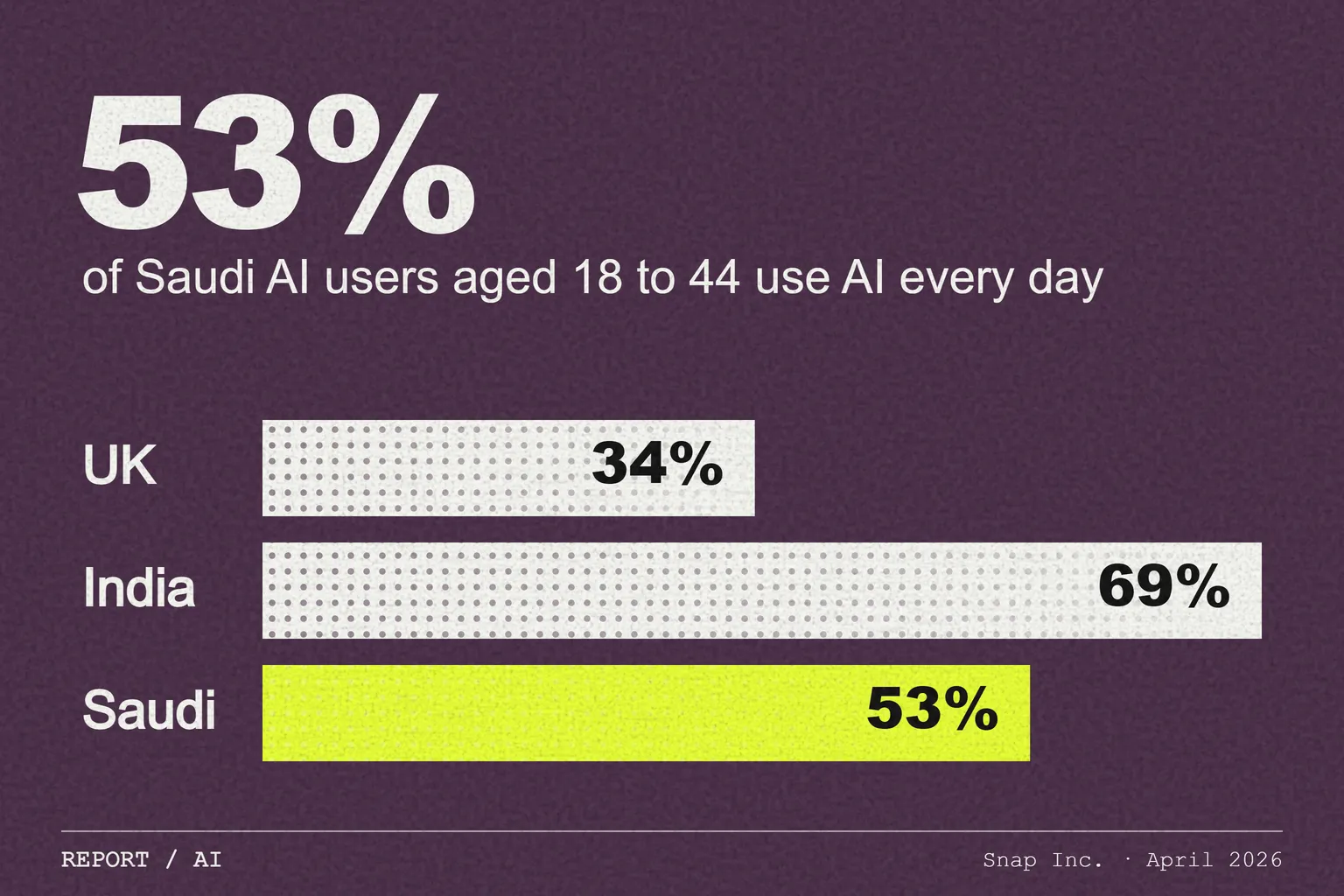
Navigating the Age of AI, a study by Ipsos commissioned by Snap Inc. and WPP, looks at how people use AI in their social lives and how far they will let it go. Among 4,261 people aged 18 to 44 in the US, the UK, France, Saudi Arabia and India who use social media daily and had used AI in the past month, 48% use AI every day, from 69% in India and 53% in Saudi Arabia to 34% in the UK.
The report's main point is that people want AI as a helper, not a replacement. 57% would rather use AI to improve their real friendships than have a relationship with an AI bot, yet 70% find it intrusive when a brand uses personal data to create hyper-personalised AI ads.
48%
of AI users aged 18 to 44 use AI daily (Saudi Arabia 53%, India 69%, UK 34%)
57%
would rather use AI to improve their real friendships than have a relationship with an AI bot (Saudi Arabia 60%)
70%
find it intrusive when a brand uses personal data for hyper-personalised AI ads (Saudi Arabia 65%)
68%
say it's a deal-breaker if a brand's AI chatbot can't immediately connect them to a real person
Key findings
- AI is a daily habit. 85% of the consumers surveyed are interested in AI and 48% use it daily. Daily use is highest in India (69%) and Saudi Arabia (53%), followed by the US (48%), France (35%) and the UK (34%). Among professionals, 65% of creators and 59% of marketers use AI daily, and 50% call it a core part of their routine.
- A social helper, not a substitute. 57% would rather use AI to improve their real friendships than have a relationship with an AI bot, from 41% in France to 70% in India, with Saudi Arabia at 60%. 54% use AI to help express thoughts or moods to friends when they can't find the words, and 62% say AI-generated content helps keep conversations going. Daily Snapchat users are 2.2 times as likely to say AI helps their social life.
- A coach without judgement. 74% say AI gives them a judgement-free space, from 63% in Saudi Arabia to 83% in India, and 72% think of it as a communication coach. People describe AI as collaborative (85%), friendly (84%) and playful (80%), but find it strange when AI mimics a real person too closely.
- Privacy is a trade. People weigh data against value: 58% are comfortable sharing their app activity with AI and 57% their current mood, but only 36% their camera data and 35% their private chat history. 70% find hyper-personalised AI ads intrusive, 65% in Saudi Arabia, and 56% call brand content made entirely by AI "soulless".
- Help, not autopilot. 62% are likely to use AI as an advisor for life milestones, and 62% as a curator for media and events, but only 37% to manage purchases or a financial portfolio. 68% say it's a deal-breaker if a brand's chatbot can't put them through to a real person straight away.
- Marketers and creators want different things. 51% of marketers who use AI see it as a "strategic sounding board", while creators are 1.6 times as likely as marketers to call it a "social sidekick". 63% of marketers worry that AI-generated content makes their messaging less authentic.
How the research was done
Ipsos ran a 20-minute online survey in April 2026 for Snap Inc. and WPP with 4,261 consumers, 150 marketers and 150 creators in the US, the UK, France, Saudi Arabia and India, plus 12 one-hour interviews in the US. The consumers are aged 18 to 44, use social media daily and had used AI in the past month, so the figures describe AI users, not whole populations. Marketers use social media for advertising and creators have at least 1,000 followers, and both groups had used AI in their work in the past month; with 150 of each, those results rest on small samples. The report breaks out countries for a few questions only and gives no margin of error. Snap sells several of the AI ad formats the report promotes.
What it means for marketers
For brands in Saudi Arabia, the country figures point two ways. Saudi respondents are among the heaviest daily users of AI in the study, and 60% would rather use AI to strengthen real friendships than befriend a bot. But they are the least likely of the five markets to see AI as judgement-free (63%), and 65% still find hyper-personalised AI ads intrusive. That argues for AI features that help people do something with friends and family, such as planning, creating or sharing, rather than ads that show how much a brand knows about them.
The service lesson is just as clear: use AI for speed, alerts and recommendations, but keep a person a tap away. And because the consumer sample is limited to AI users aged 18 to 44, these figures describe the most engaged part of the market, not everyone.
About this report
Published by Snap Inc. with WPP and Ipsos, October 2026. Free. Get the full report from Snap
Sources
More stories.
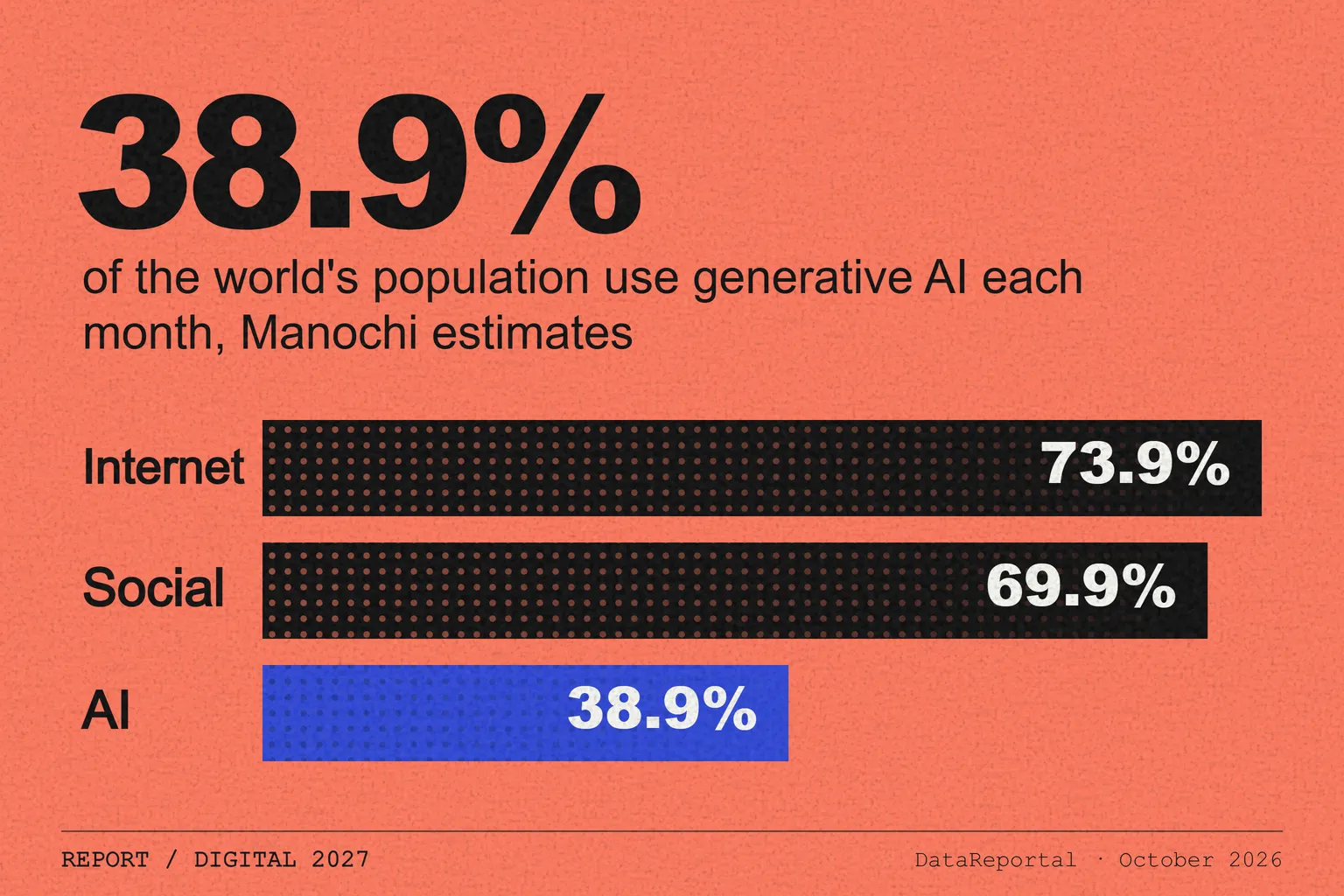
Digital 2027 Global Overview: 6.15 billion online, 3.24 billion using generative AI
DataReportal's Digital 2027 report counts 6.15 billion internet users and 5.81 billion social media user identities, while monthly users of generative AI platforms grew by more than 1.2 billion in a year.
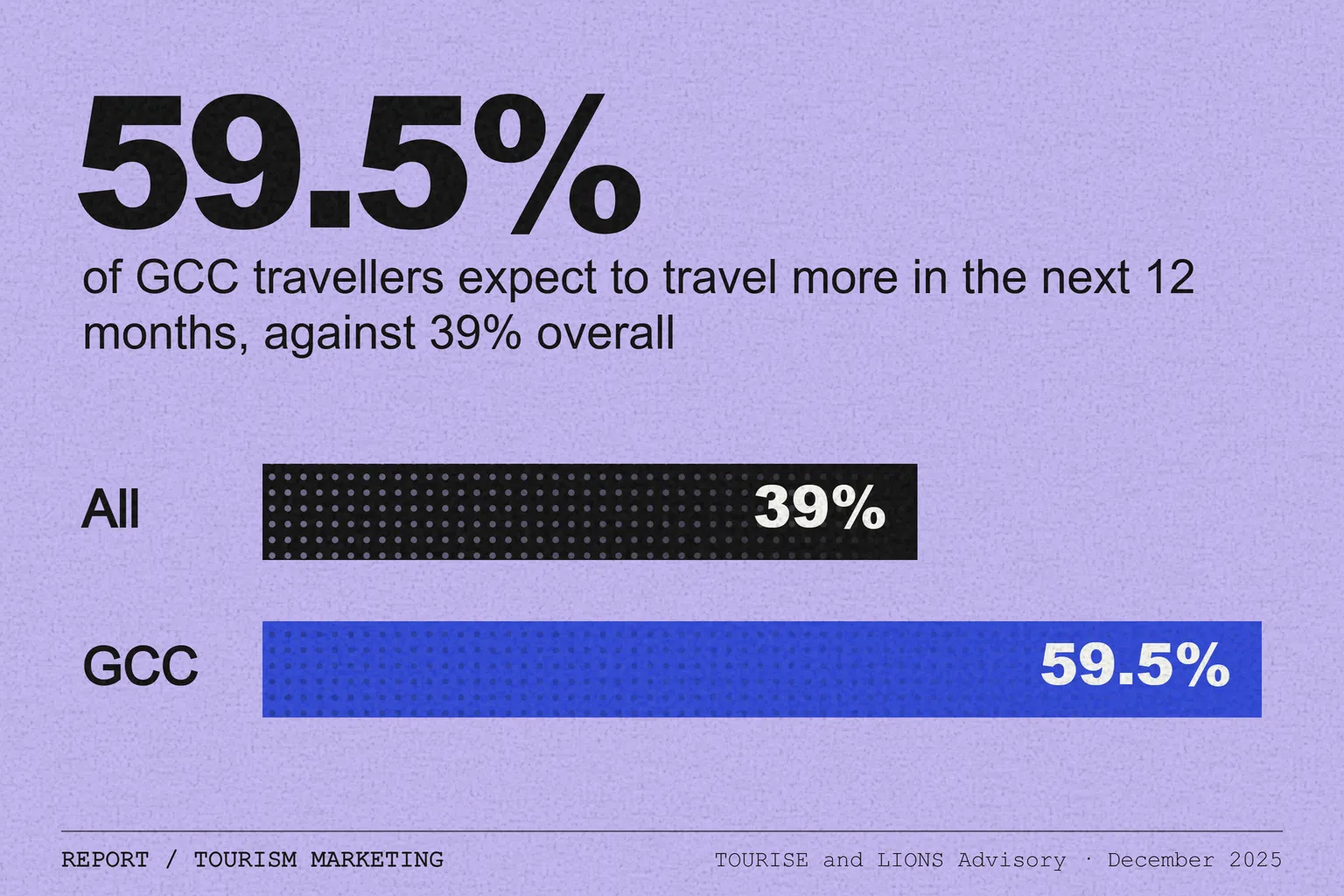
TOURISE and LIONS: travel demand is rising, but tourism ads look alike
In a survey of 8,374 international travellers for TOURISE and LIONS Advisory, 60% say many travel ads look alike and half can't recall the last one they saw.
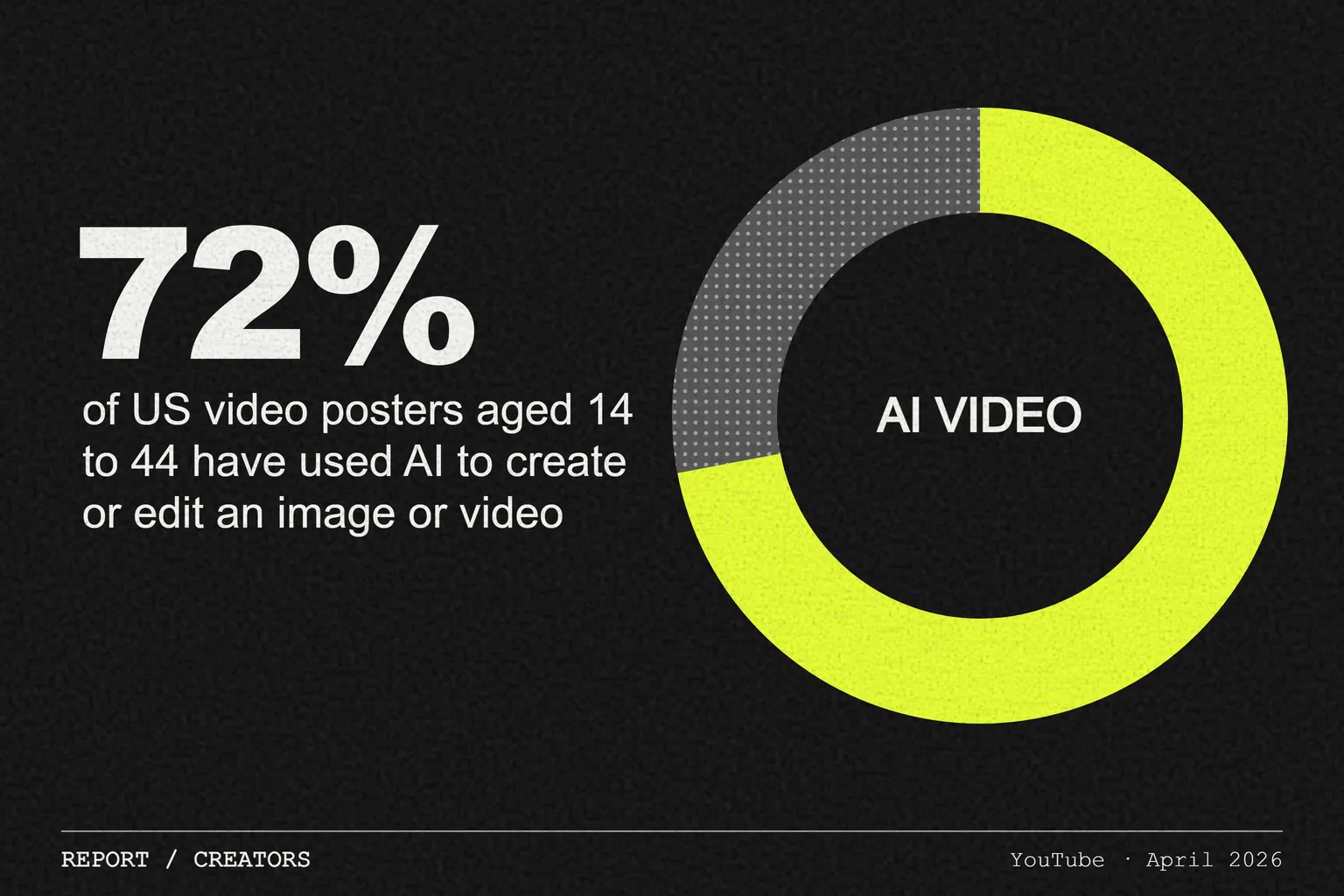
YouTube Culture & Trends report: 72% of US video posters aged 14 to 44 have used AI on images or video
YouTube's Culture & Trends team finds generative AI used for self-expression, with 61% of US video posters aged 14 to 44 interested in putting themselves into AI video.