Sounds Profitable podcast report: Netflix becomes the third most-named US podcast platform in its first year carrying podcasts.
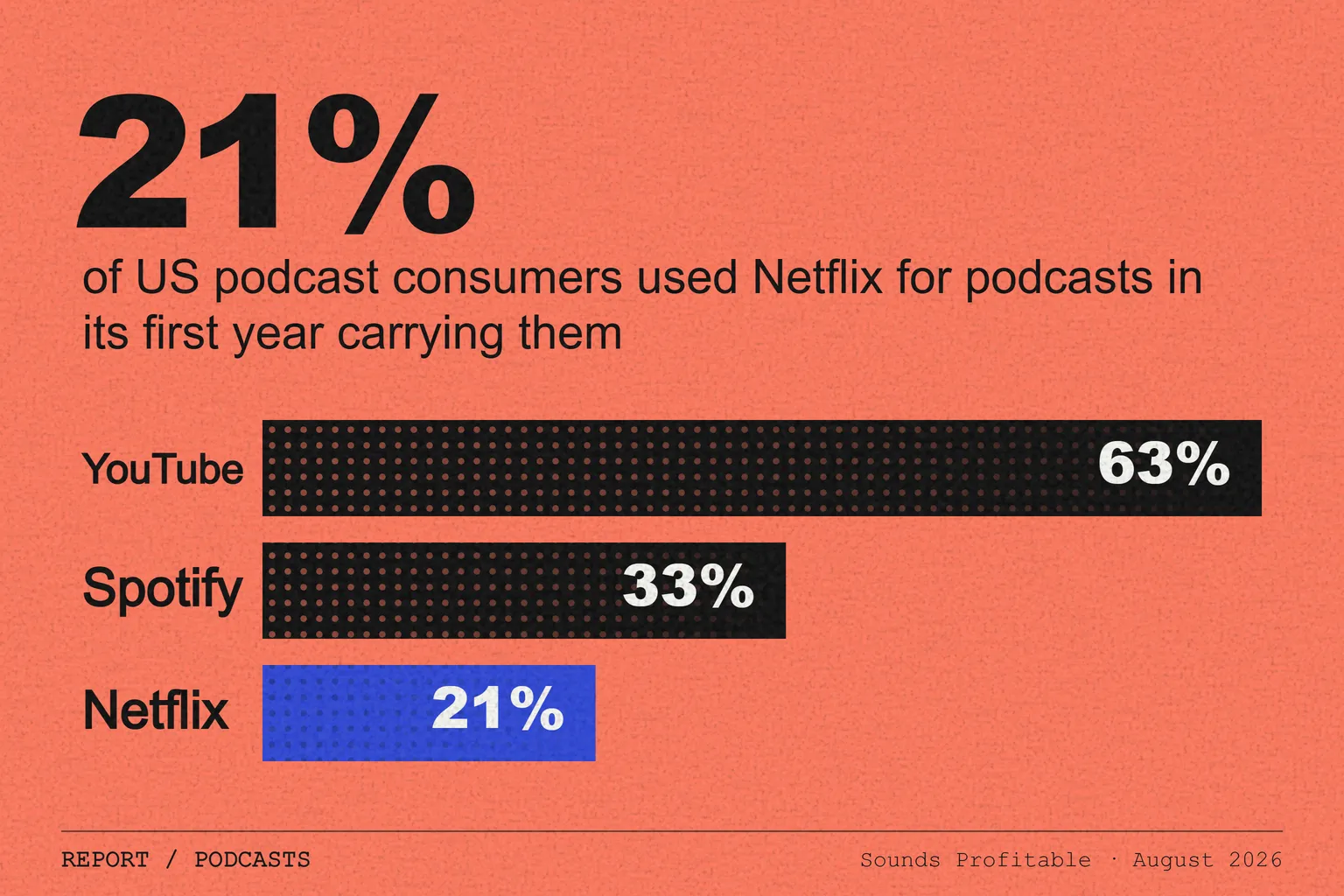
Sounds Profitable's survey of 5,473 US adults finds podcast reach steady at 74%, while 21% of podcast consumers used Netflix for podcasts in its first year offering them and video viewing keeps rising.
By Sounds Profitable · Oct 1, 2026
Sounds Profitable's annual study of how Americans consume podcasts finds an audience that is holding steady in size but keeps changing where and how it consumes podcasts. The Podcast Landscape 2026, Part One, based on a survey of 5,473 US adults in August 2026, puts podcast reach at 74% of adults, with 55% consuming a podcast in the past month and 39% in the past week, much the same as in 2024.
What has moved is the platform mix. In its first year carrying podcasts, Netflix became the third most-named place where people consume them, behind YouTube and Spotify and ahead of Apple Podcasts, while the share who call a dedicated podcast app such as Apple Podcasts or Overcast their main platform fell from 19% to 15%.
74%
of US adults have consumed a podcast, with 55% in the past month and 39% in the past week
21%
of podcast consumers used Netflix for podcasts in the past 12 months, behind YouTube (63%) and Spotify (33%)
44%
of podcast consumers watched a video podcast in the past week, up from 40%
12%
name a smart TV as the device they use most for podcasts, up from 9%
Key findings
- Reach is flat, but a third are newcomers. 74% of US adults have consumed a podcast, essentially unchanged since 2024, and 93% know the term. Yet 34% of podcast consumers say they started within the past year, up from 28%.
- Netflix arrives, podcast apps slip. Asked which services they used for podcasts in the past 12 months, consumers named YouTube (63%), Spotify (33%), Netflix (21%), YouTube Music (17%) and Apple Podcasts (15%). As a main platform, YouTube holds 40%, Spotify 17%, Apple Podcasts 8% (down from 11%) and Netflix 5%. Sounds Profitable notes that adding Netflix, Tubi, Apple TV and HBO Max to this year's list slightly dilutes the other answers.
- Video keeps growing. 44% watched a video podcast in the past week, up from 40%, and the share who have never watched one fell from 14% to 10%. Only 17% now expect a podcast to be audio-only, down from 21%. For people who watched in the past week, video is roughly half of their podcast time.
- The TV screen is gaining. The smartphone is still the main device for 57% of consumers, but the smart TV rose from 8% in 2024 to 12%, the only device gaining share. Among people who use more than one app for podcasts on a smart TV, 71% use YouTube most and 12% Netflix.
- Hours hold for the typical consumer. The typical weekly consumer spends 4 hours a week with podcasts, unchanged, while the average slipped from 6.3 to 5.7 hours as fewer people reported weeks of 16 hours or more (6%, from 9%). Sounds Profitable links the drop to the shift to video, which is watched rather than left playing in the background.
- Shared and loyal. 40% at least occasionally consume podcasts with other people, up from 37%. The typical monthly consumer regularly follows two or three shows, 65% use the same platform for their favourites, and 71% of people who follow limited series look for another show when one ends.
- Younger than US adults overall. People aged 25 to 34 make up 23% of monthly consumers against 18% of US adults, and households with children 38% against 31%, while people aged 65 and over are 12% against 20%. The report calls consumers aged 55 and over a growth opportunity.
How the research was done
The Podcast Landscape is Sounds Profitable's annual study of podcast consumption in the US, produced with Signal Hill Insights. This wave surveyed 5,473 adults aged 18 and over in August 2026, weighted to US Census targets, and compares with the 2025 wave of 5,034 people surveyed the same way. Percentages are rounded and listening hours are self-reported. The report doesn't give the survey mode or a margin of error. Part One covers core usage; later parts on discovery, advertising, content and AI are published separately. Its sponsors include podcast publishers and advertisers such as NPR, ESPN Podcasts, SiriusXM Podcast Network and BetterHelp.
What it means for marketers
The data is American, but brands in Saudi Arabia and the Gulf that sponsor or produce podcasts can take two points from it. Podcasts now live on general video platforms and TV screens as much as in podcast apps, so a sponsorship measured only by downloads misses a growing part of the audience. Deals should name the platforms that count towards delivery and say how views there are measured.
The creative changes too. A host-read message is now often watched on a phone or a television, sometimes by several people at once, so brand integrations need to work on screen as well as in the ear.
About this report
Published by Sounds Profitable, October 2026. Free. Get the full report from Sounds Profitable
Sources
More stories.
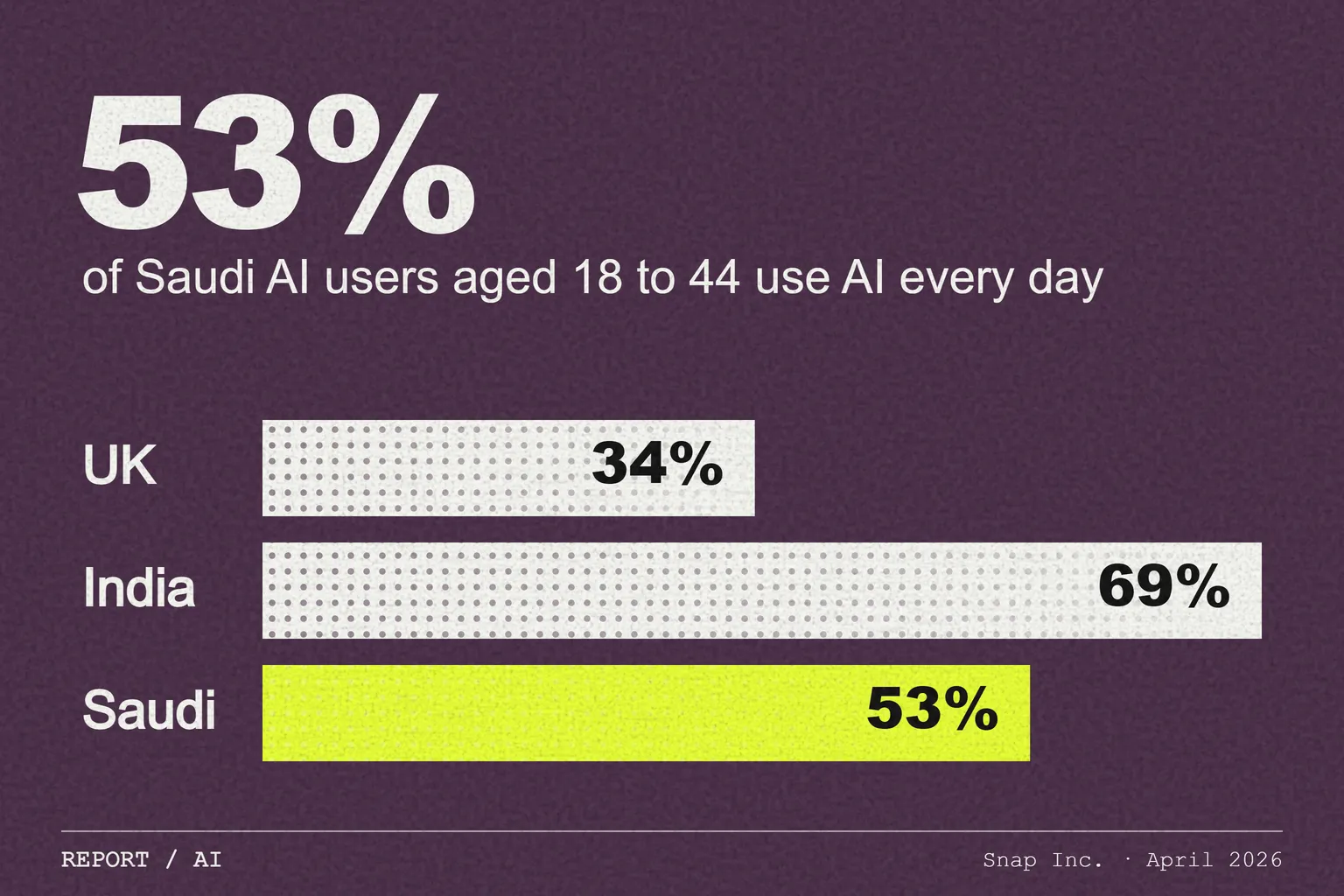
Snap, WPP and Ipsos AI report: 53% of Saudi AI users use it daily, but 65% find hyper-personalised AI ads intrusive
Ipsos surveyed 4,261 AI users aged 18 to 44 in five markets, Saudi Arabia among them, for Snap and WPP: people want AI as a social helper, but 70% find hyper-personalised AI ads intrusive.
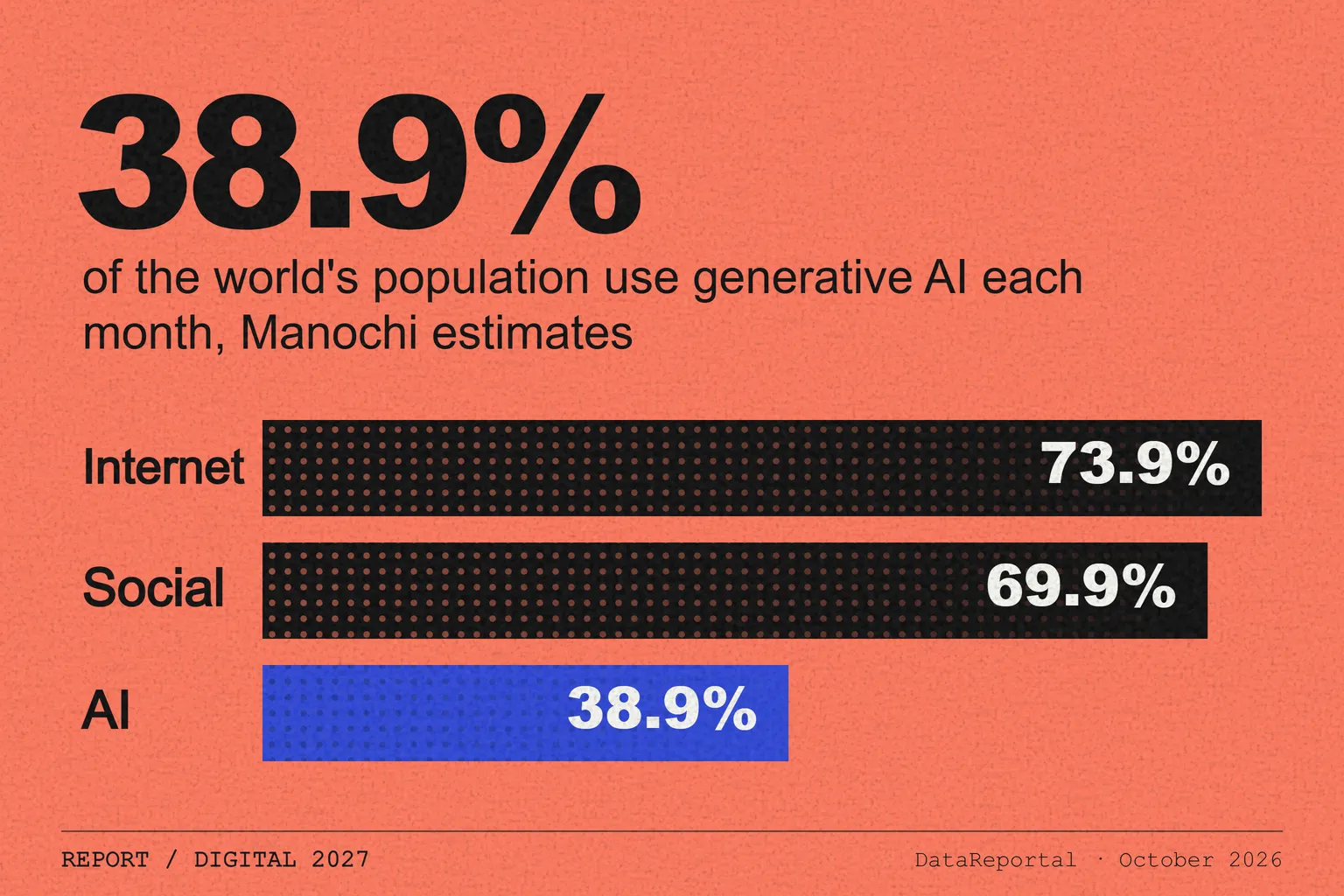
Digital 2027 Global Overview: 6.15 billion online, 3.24 billion using generative AI
DataReportal's Digital 2027 report counts 6.15 billion internet users and 5.81 billion social media user identities, while monthly users of generative AI platforms grew by more than 1.2 billion in a year.
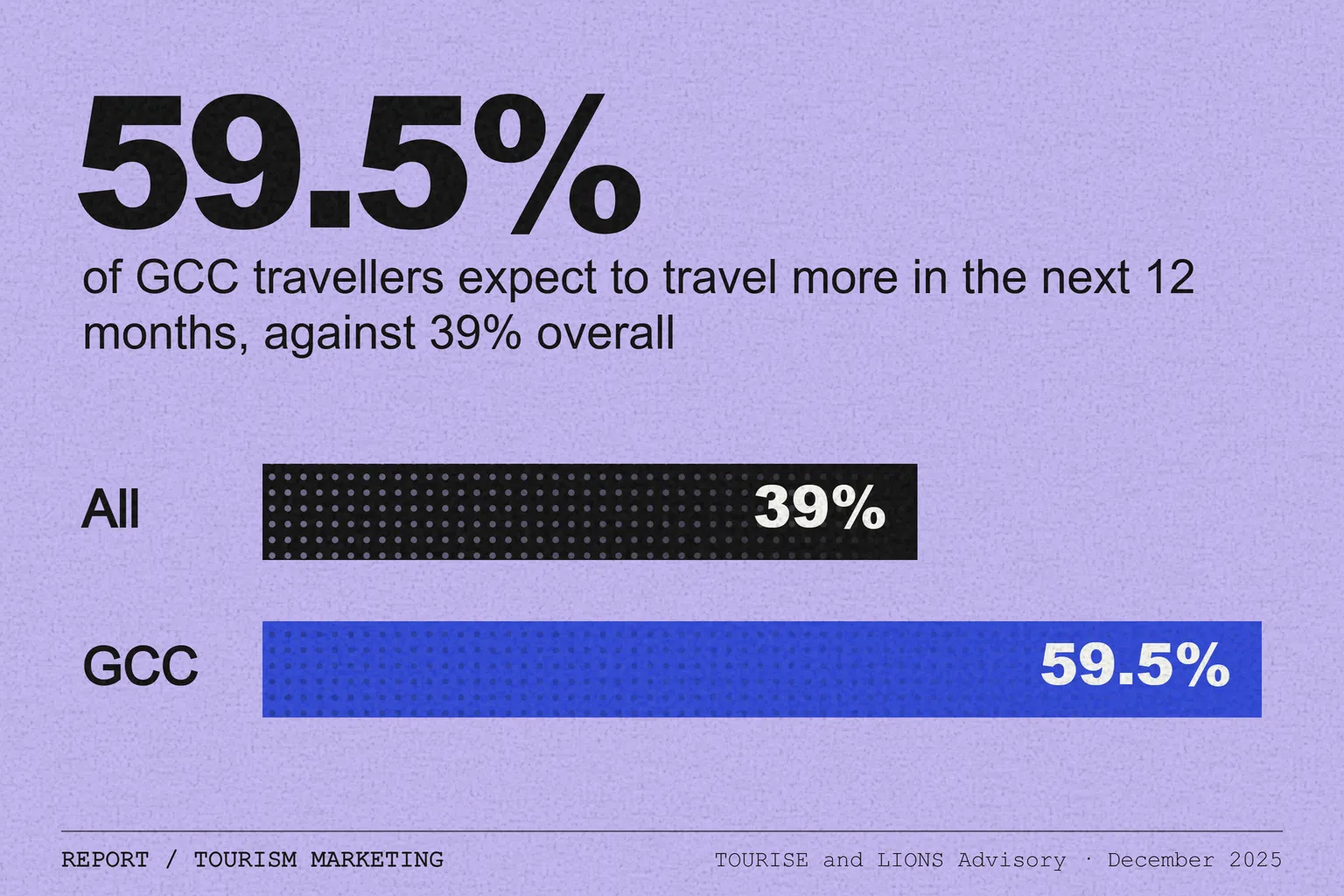
TOURISE and LIONS: travel demand is rising, but tourism ads look alike
In a survey of 8,374 international travellers for TOURISE and LIONS Advisory, 60% say many travel ads look alike and half can't recall the last one they saw.