Edelman brand trust report: UAE consumers care most about where a brand is based.
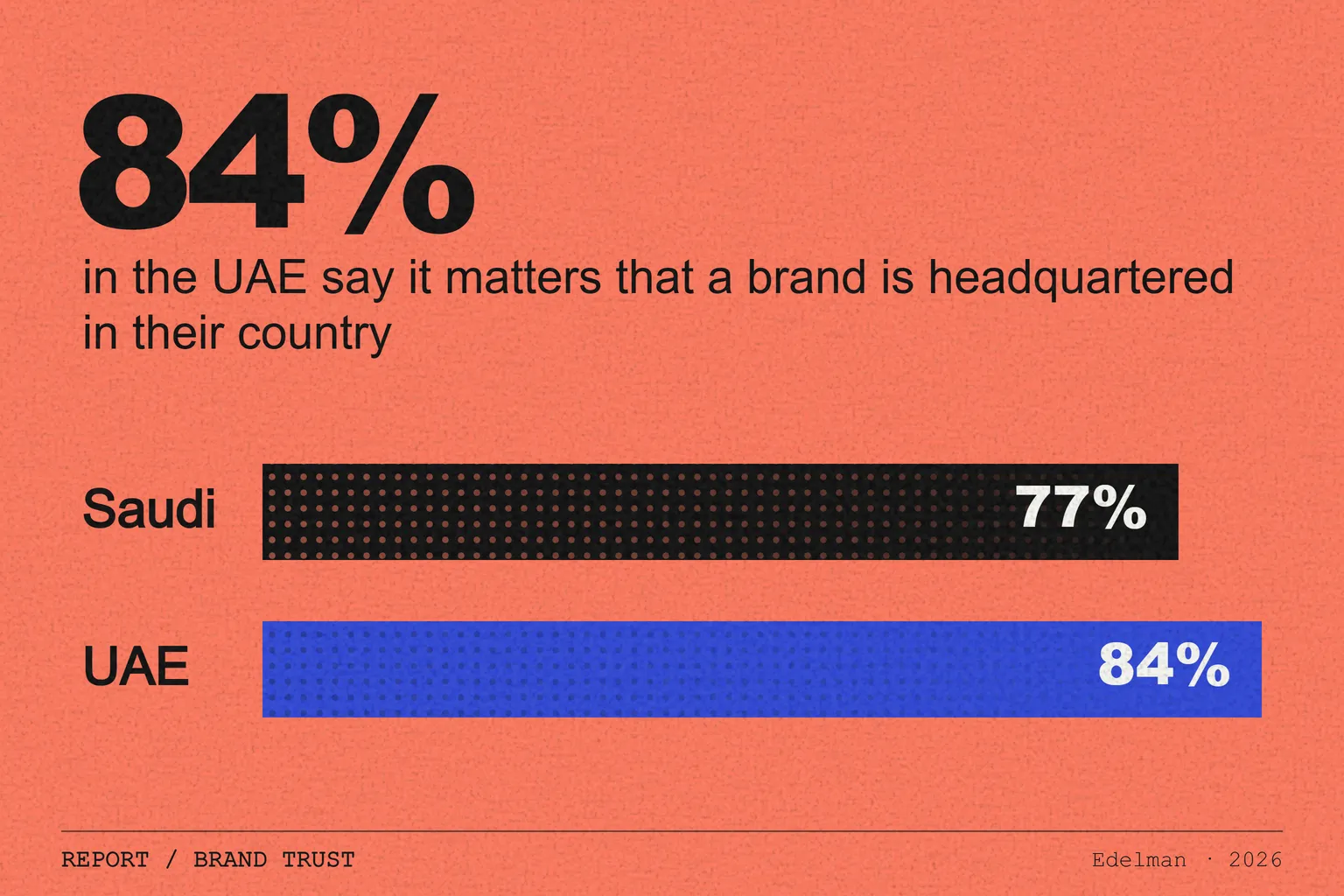
Edelman's 15-country brand study finds 88% treat trust as a buying criterion and 66% are wary of people unlike them, while 84% in the UAE say it matters that a brand is headquartered at home.
By Edelman Trust Institute · Jun 20, 2026
Edelman's 2026 special report on brands, Brand Growth in an Insular World, finds people retreating into circles of trust. Two-thirds of the 17,688 people surveyed in 15 countries are hesitant or unwilling to trust people who differ from them in their values, the facts they rely on, how they would solve society's problems or their background, and that wariness now shapes which brands they will use.
Saudi Arabia and the UAE are among the 15 countries, and their results stand apart. People in both trust brands more than the global average and are among the least insular, but they also care more than most about where a brand comes from. In the UAE, 84% say it matters that a brand is headquartered in their country, the highest of any market and 18 points more than in 2023.
84%
of UAE respondents say it's important or a deal breaker that a brand is headquartered in their country, the highest of 15 countries
88%
say trusting a brand is important or a critical deal breaker when buying, level with value (88%) and quality (89%)
66%
are hesitant or unwilling to trust people who are different from them (UAE 45%, Saudi Arabia 54%)
41%
say what people who aren't paid by a brand say about it does most to build their trust
Key findings
- Trust is now a buying criterion. 88% say trusting a brand is important or a critical deal breaker, on a par with value (88%) and quality (89%). Yet 39% use brands they don't fully trust, up 6 points since 2022 and rising to 51% of 18- to 29-year-olds.
- Insularity narrows a brand's appeal. People with an insular mindset are twice as likely as open-minded people to refuse brands used by people unlike them (30% against 14%). Across the 15 countries, trust in brands in general (73%) falls to 58% for brands that sell to people with different core values.
- Where a brand is based matters more. Across 14 countries, 68% say it matters that a brand is headquartered in their country, up 5 points since 2023. The UAE leads at 84%, up 18 points. Saudi Arabia is at 77%, a 5-point rise that Edelman doesn't mark as significant.
- Saudi Arabia and the UAE are more trusting and more open. Trust in brands in general is 85% in the UAE and 83% in Saudi Arabia. For brands that sell to people with different values, it drops by 4 points in the UAE and 10 in Saudi Arabia, against 15 globally. The UAE has the smallest share with an insular mindset (45%), and Saudi Arabia's is 54%.
- Relevance starts with usefulness. Utility, meaning solving a problem or being innovative, is the strongest way to become relevant (85% globally) and pop culture the weakest (67%). Saudi respondents rate every lever higher, from 93% for utility to 82% for pop culture; in the UAE the range runs from 90% to 82%.
- Trust and relevance together unlock growth. 55% both trust brands and think they are doing well at being relevant. Of these, 71% would keep using a brand that starts selling to people unlike them, against 36% of those who see neither. Only 30% in Saudi Arabia and 35% in the UAE say brands are failing on trust, relevance or both, against 45% globally.
- Earned voices count most. 41% say what people who aren't paid by a brand say has the biggest effect on whether they trust it, ahead of the brand's own messages (20%), independent organisations (16%) and paid voices such as influencers (13%). AI assistants were named by 3%. Among the 62% who follow content creators, 37% tried a brand for the first time because of them in the past six months.
How the research was done
This is the eighth annual Trust and Brands survey from the Edelman Trust Institute. It ran online from 23 April to 11 May 2026 with 17,688 people in Brazil, Canada, China, France, Germany, India, Indonesia, Japan, Mexico, Saudi Arabia, South Africa, South Korea, the UAE, the UK and the US, about 1,200 per country (1,173 in Saudi Arabia and 1,199 in the UAE). Samples are representative by age, gender and region, with nationality quotas in Saudi Arabia and the UAE, where the survey ran in English and Arabic. The margin of error is one point for the global average and 3.7 to 3.8 points per country, but many questions went to only part of the sample, and some averages leave out China or Indonesia.
What it means for marketers
For brands in the Gulf, the report cuts two ways. Saudi and UAE consumers trust brands more readily than most and are less put off when a brand reaches new audiences, which leaves room to grow across nationalities and communities. But they care more than most about where a brand is based, and in the UAE that concern has grown sharply since 2023, so international brands need visible local roots, from local teams and partners to products made for the market, while local brands can lean on where they come from.
The route to relevance is practical before it is cultural. Usefulness ranks first on average and in 14 of the 15 countries, Saudi Arabia and the UAE included, and unpaid voices, from customers and reviews to recommendations from friends, do more for trust than advertising or paid creators. Edelman's advice is to lead with earned media and scale with paid, and to make proof points easy to find in AI-driven search.
About this report
Published by Edelman Trust Institute, June 2026. Free. Get the full report from Edelman
Sources
More stories.
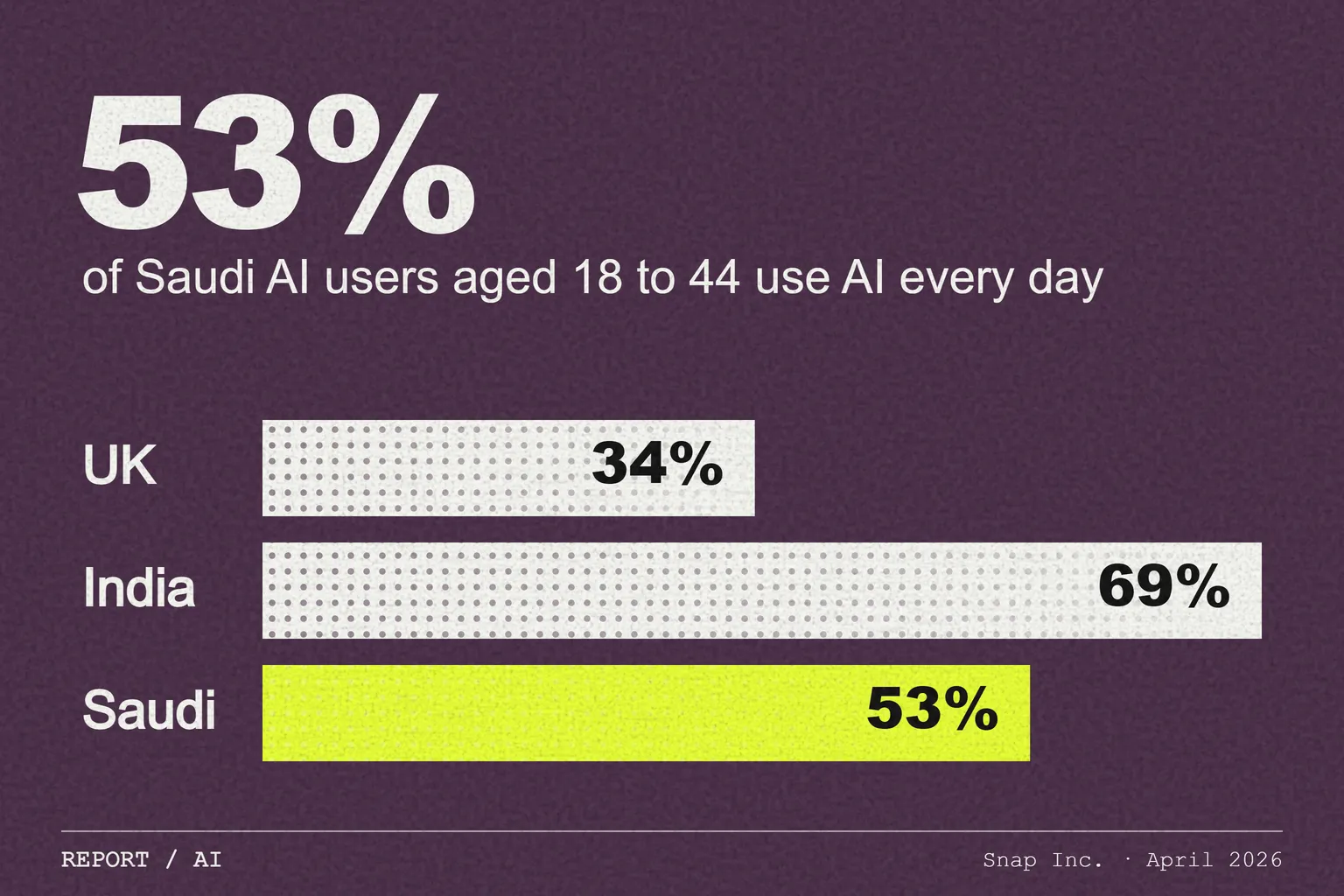
Snap, WPP and Ipsos AI report: 53% of Saudi AI users use it daily, but 65% find hyper-personalised AI ads intrusive
Ipsos surveyed 4,261 AI users aged 18 to 44 in five markets, Saudi Arabia among them, for Snap and WPP: people want AI as a social helper, but 70% find hyper-personalised AI ads intrusive.
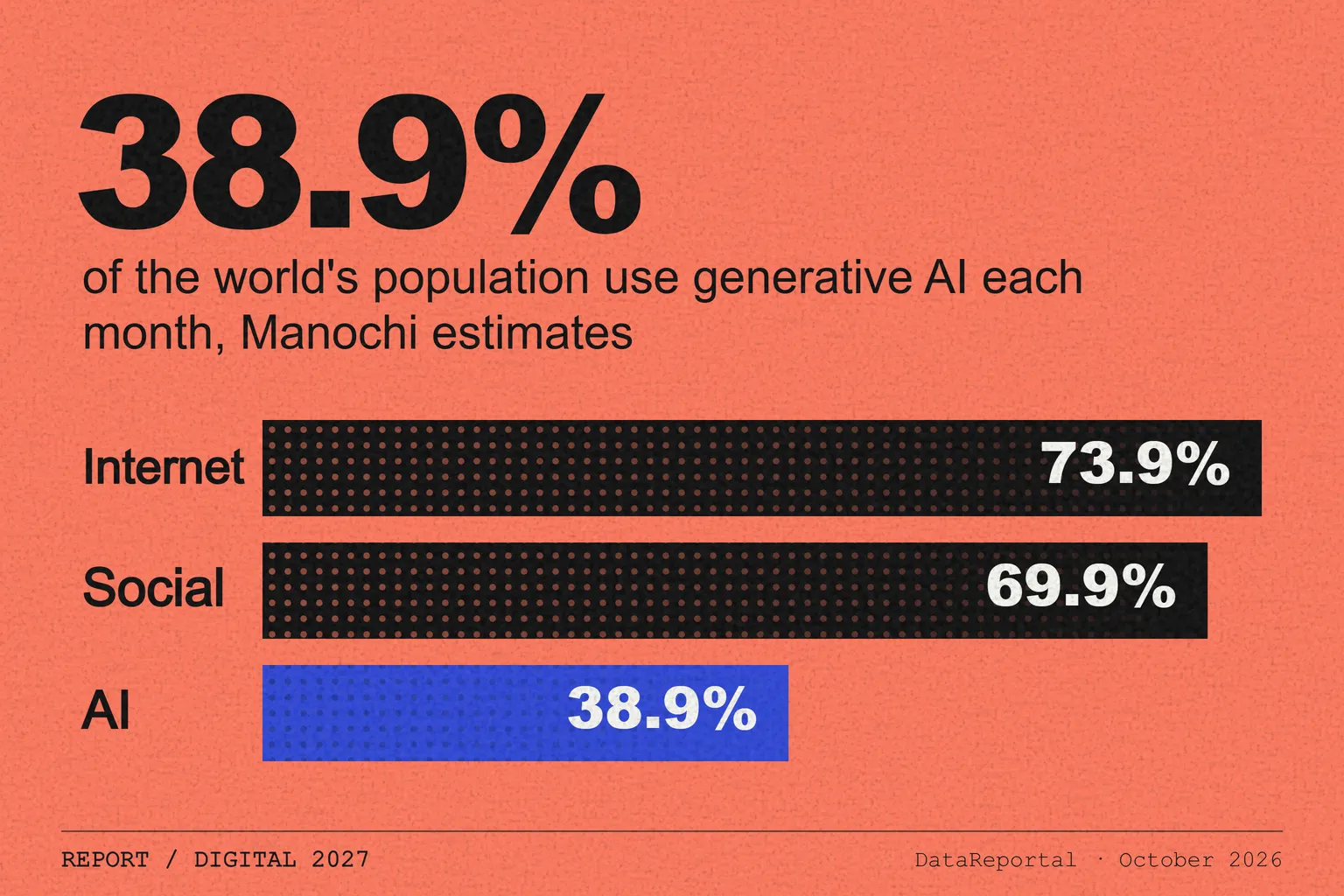
Digital 2027 Global Overview: 6.15 billion online, 3.24 billion using generative AI
DataReportal's Digital 2027 report counts 6.15 billion internet users and 5.81 billion social media user identities, while monthly users of generative AI platforms grew by more than 1.2 billion in a year.
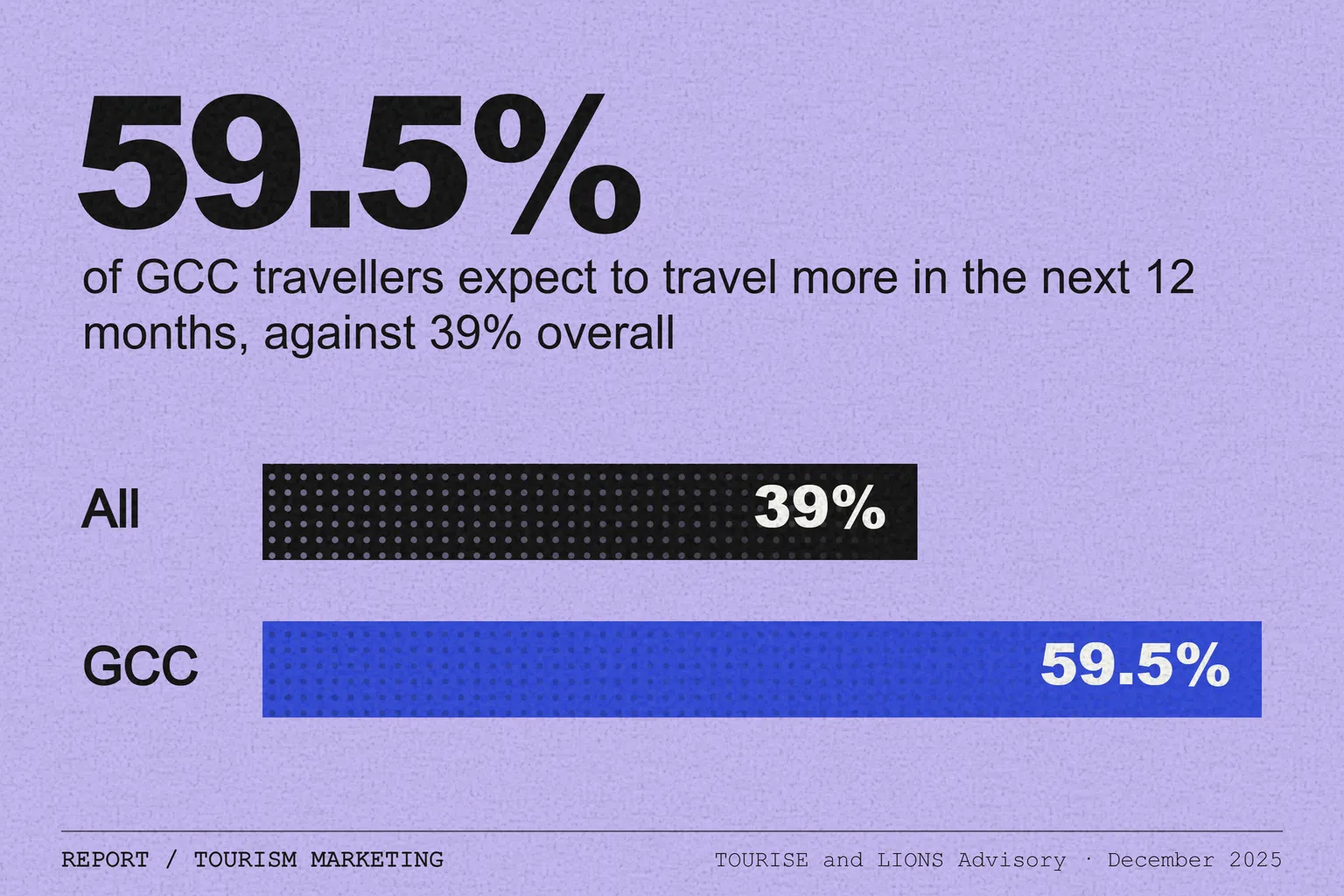
TOURISE and LIONS: travel demand is rising, but tourism ads look alike
In a survey of 8,374 international travellers for TOURISE and LIONS Advisory, 60% say many travel ads look alike and half can't recall the last one they saw.