Judge orders Meta to pay New Mexico $25bn over privacy claims.

A New Mexico judge has ordered Meta to pay $25bn after a jury found it misled Facebook users about who could see their data. It is the largest penalty ever imposed on the company, and Meta says it will appeal.
District Judge Francis Mathew issued the ruling on 21 October. Last month a jury found Meta responsible for more than 43 million violations of the state's consumer protection law and judged 26 of 29 statements by the company and its leaders on privacy and content moderation to be misleading. "Facebook promised users that they controlled their data. This was false," the judge said. Attorney General Raul Torrez said the money will go into a fund for the state's schools.
The case was filed in 2021 and grew partly out of the Cambridge Analytica scandal, in which data from up to 87 million Facebook users was taken without consent and used for political ad targeting. The award is five times the $5bn the US Federal Trade Commission fined Facebook in 2019. It is Meta's second loss in New Mexico this year; in March a jury found it had misled users about young people's safety, with $375m in penalties and a further $567m ordered later.
The final bill could change. Meta's chief legal officer, CJ Mahoney, said the company is confident of winning on appeal and called the case a tax on speech. Meta's lawyers argued that the jury made no finding that any New Mexican saw the statements or was harmed by them.
For advertisers, the direct effect is small for now, but the direction is clear: US states are willing to put very large numbers on privacy claims. Brands that rely on Meta's targeting, in the Gulf as elsewhere, should expect more pressure on data use and keep their own consent and first-party data practices in order.
Why it matters
A record state penalty raises the cost of misleading privacy claims and could push Meta to tighten data practices advertisers depend on.
Related trends.

Zuckerberg says shopping is the top use for Meta's Muse agent
Meta's Muse AI agent has been downloaded more than 10 million times since its US and Canada launch last month, and shopping is its most common use. Mark Zuckerberg said average purchases through Muse are above $200.
Why it mattersMeta wants its AI agent to sit between shoppers and brands, which would shift commerce from websites to agent-to-agent deals.

Kantar: Saudi and UAE Gen Z go to YouTube for product reviews
A Kantar survey released at YouTube's Brandcast in Dubai found 88% of Gen Z viewers in Saudi Arabia and the UAE use YouTube to research products and decide what to buy. YouTube also showed its first slate of exclusive regional creator shows.
Why it mattersYouTube is selling Gulf advertisers creator-led shows, and the Kantar data suggests young Saudi and UAE buyers trust creators more than studio content.
WhatsApp will stop carrying marketing messages on its Cloud API in 2027
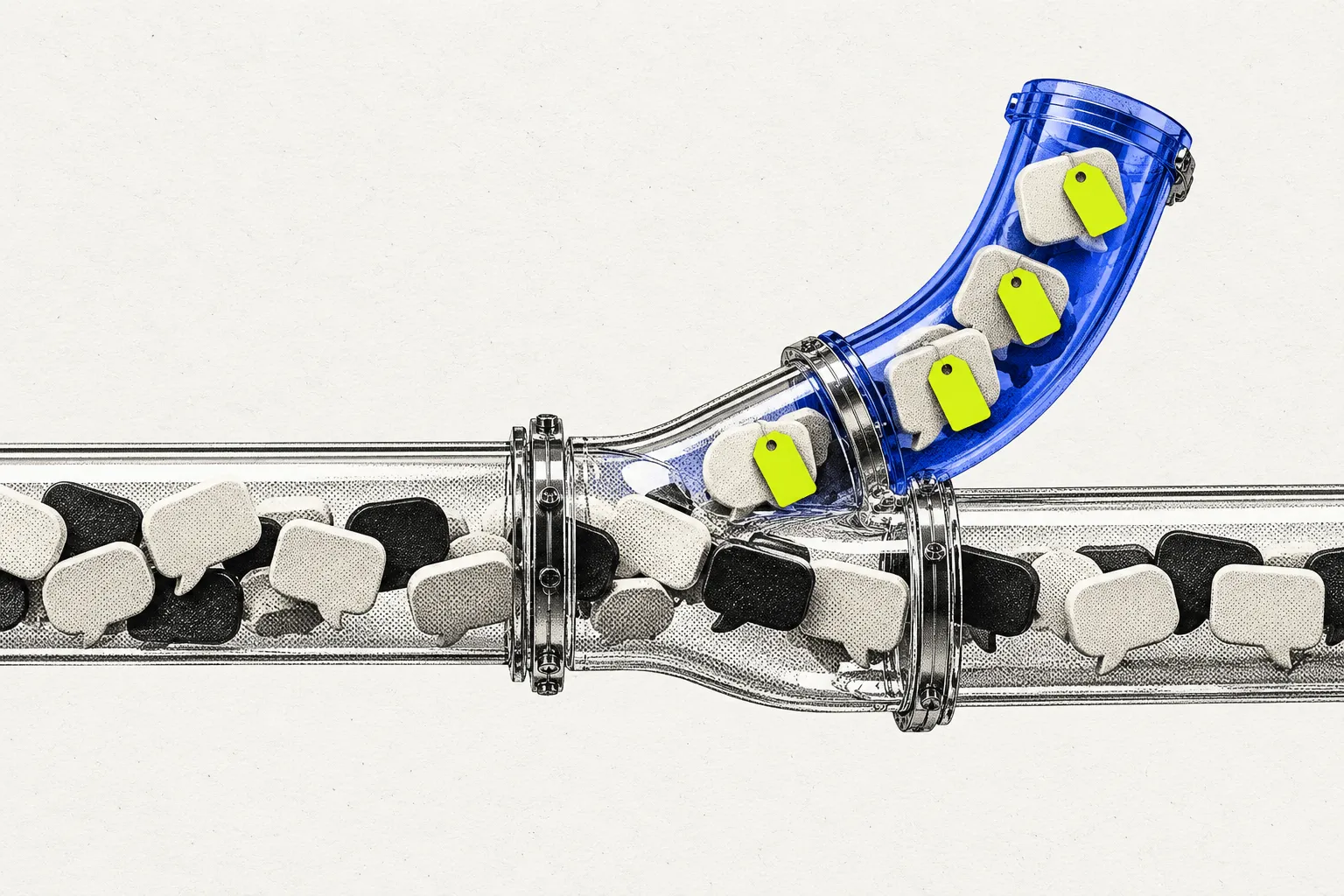
Meta will stop delivering WhatsApp marketing messages sent through the Cloud API on 13 October 2027. Businesses that send promotional templates must move that traffic to its separate Marketing Messages API for WhatsApp before then.
Why it mattersPromotional WhatsApp messaging is a staple of Gulf CRM, and any brand or vendor still on the Cloud API faces a fixed deadline and real integration work.