Google Search ads now carry AI summaries of positive reviews.
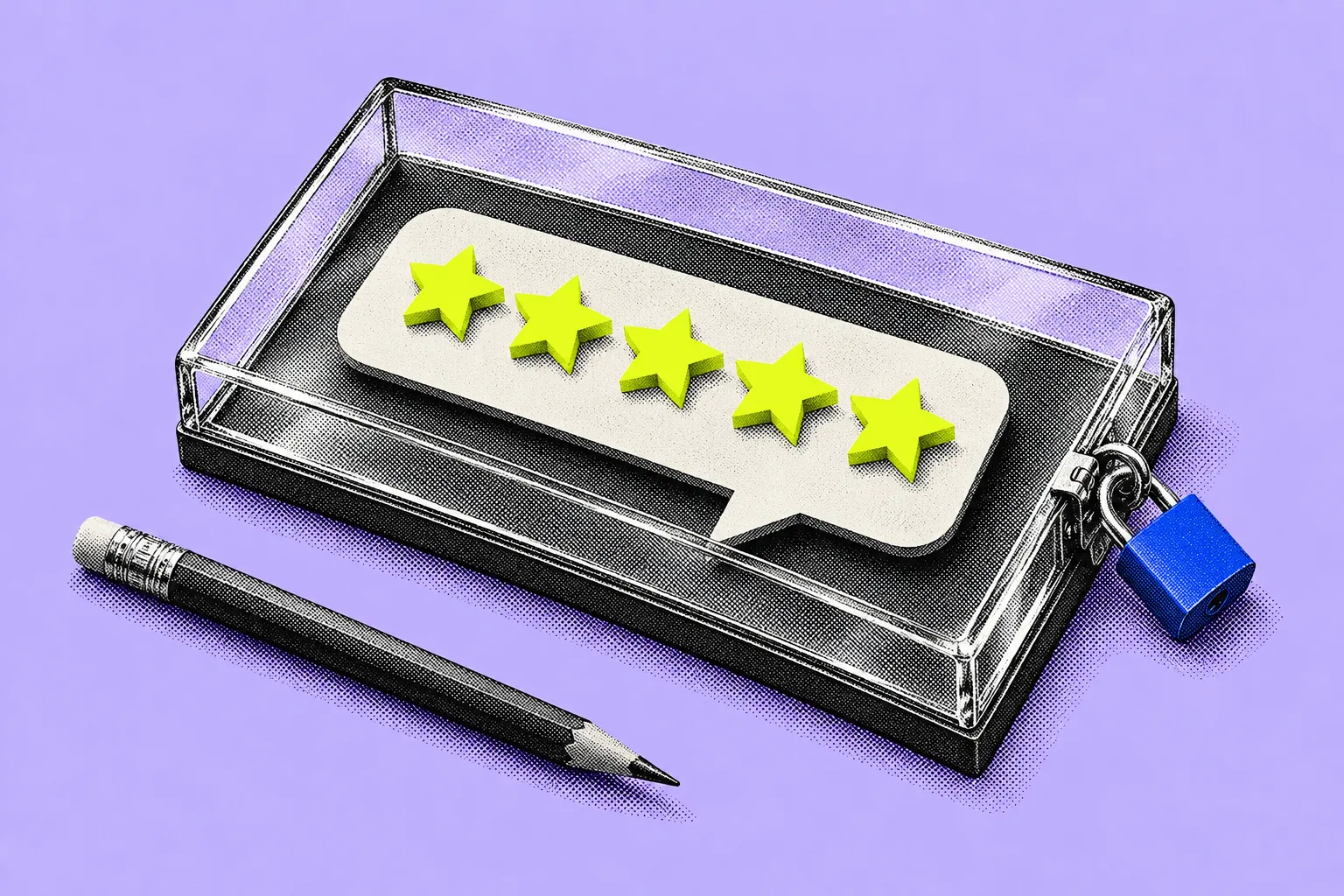
Google has published a help page for review summaries, short AI-written blurbs drawn from online reviews that appear inside Search ads. Advertisers can't edit them, and Google decides when they show.
According to the Google Ads help page, which PPC News Feed reported on 24 October after it was spotted by Hana Kobzová, the summaries are built automatically from reviews across the web and are "positive only". They run in Search campaigns in every ad position on Google.com, on all devices and in all verticals except sensitive categories such as pharmaceuticals. For now they are limited to English in the US, the UK, Australia and India. Google says it shows a summary only when it predicts the ad will perform better, and that it applies grounding rules so the text reflects real feedback.
The control sits entirely with Google. Because the summaries are meant to represent customers' views, advertisers can't change the wording, and the help page doesn't describe a way to switch them off. PPC News Feed had reported Google testing AI review summaries in ads earlier, in September. The same week, Search Engine Roundtable reported tests of a scrolling strip of ratings and reviews on sponsored results.
Several things aren't stated: which review sources feed the summaries, how often they are refreshed, whether they appear in reporting, and whether an opt-out exists at account level. Nor does Google say what happens when most reviews of a business are negative.
The feature isn't live in Arabic or in Gulf markets yet. Brands advertising in the UK, US or India from the region should check their reviews across the web now, since those will shape the text Google writes into their ads.
لماذا يهمّك
Google is writing review copy into advertisers' Search ads with no edit rights, so a brand's reviews across the web now shape its paid ads.
أخبار رائجة ذات صلة.

European publishers ask Brussels to stop Meta's crawling terms
The European Publishers Council has written to the European Commission a second time about Meta's new business terms. It wants the website-crawling clause examined under EU competition law and held back before it takes effect on 20 November.
لماذا يهمّكEvery advertiser on Facebook and Instagram accepts Meta's crawling clause by default on 20 November; European publishers are now pressing regulators to stop it first.
Meta delays its new ad and AI terms to 20 November
Meta has pushed back the start of its revised Commercial Terms and Self-Serve Ad Terms from 30 October to 20 November 2026. The company says it needs more time to explain the changes to partners.
لماذا يهمّكAdvertisers get four more weeks, but Meta hasn't promised to change terms that make them responsible for whatever its AI does to their ads.

Google's privacy policy now lets connected Gmail and Photos shape ads
Google has rewritten a 2021 privacy promise so that people who connect Gmail or Google Photos to Search or Gemini can see ads shaped by that content. The revised policy took effect on 16 October 2026.
لماذا يهمّكGoogle's ads can now draw on inbox and photo summaries for people who opt in, reversing a five-year promise and tying ad relevance to AI personal context.