Google's privacy policy now lets connected Gmail and Photos shape ads.
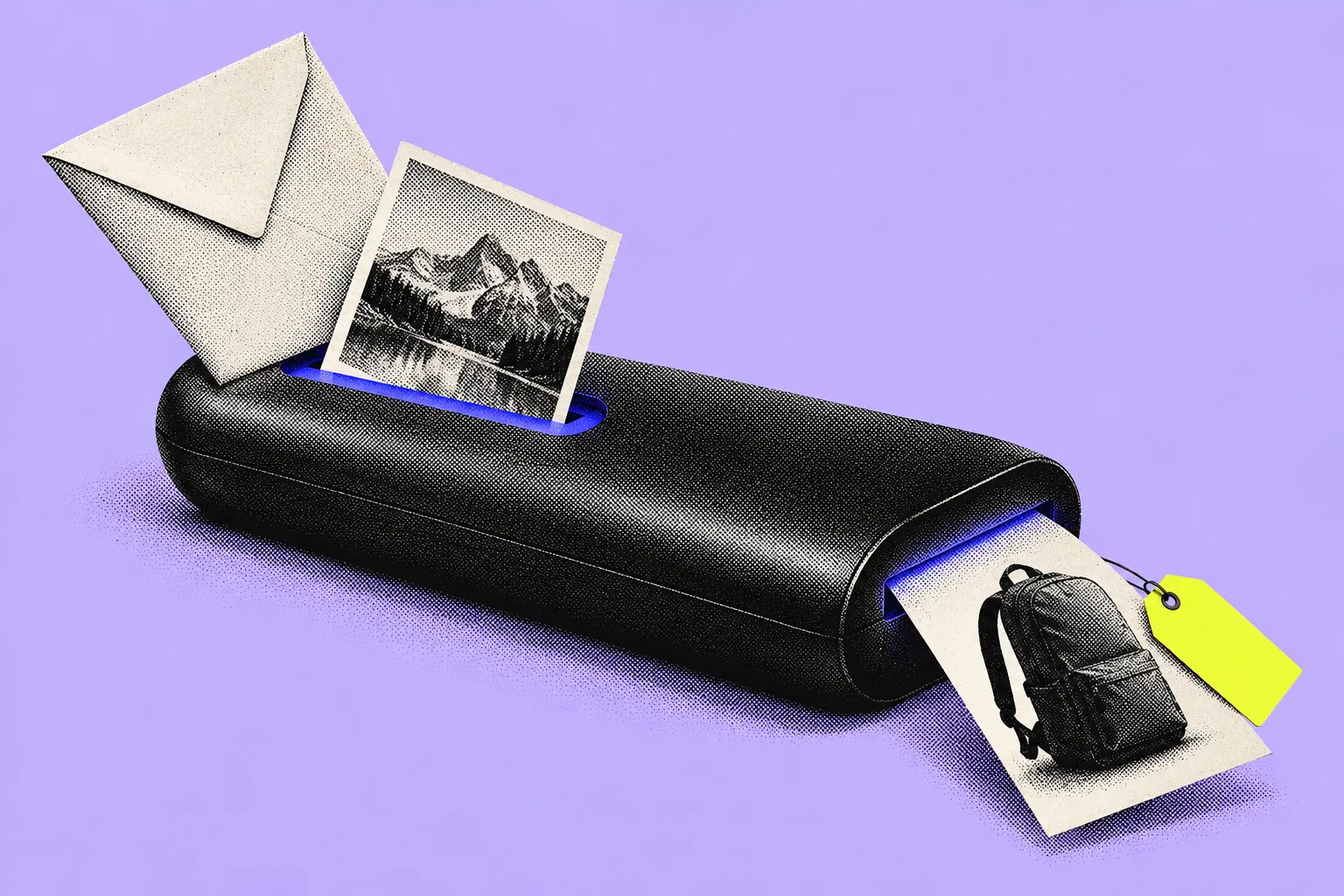
Google has rewritten a 2021 privacy promise so that people who connect Gmail or Google Photos to Search or Gemini can see ads shaped by that content. The revised policy took effect on 16 October 2026.
Since 1 July 2021 the policy has said Google does not show personalised ads based on content from Drive, Gmail or Photos. That sentence now carries an exception: unless the user chooses to make data from those services available to other Google services that support personalised ads. New wording, as quoted by PPC Land, says Search may use the data a person lets it access to personalise content, "including ads". The previous version of the policy was dated 1 October. Android Authority and The Verge reported the change on 23 October, and PPC Land compared the text line by line with Google's archived versions.
Google's help page on connecting content apps sets out how it works. Ads will not be based directly on someone's Gmail inbox or Photos library, but summaries and inferences drawn from them may be used to show ads, and advertisers get no access to the inbox or photos. The feature is open to users aged 18 and over; connecting Calendar works only in the US in English, and Photos is not available in every region. The rule against personalising ads on sensitive categories such as health or religion is unchanged. Search Engine Roundtable reported on 19 October that Google is testing ads in AI Mode for users who turn on its Personal Intelligence features.
Google has not said how many people have connected their apps, whether advertisers will get any targeting option or reporting tied to it, or when it will reach more markets. Notebookcheck reports the feature is not available in the EU, the UK or Switzerland.
Nothing here is a new lever for advertisers in Saudi Arabia or the Gulf yet. It does show where Google is heading: as AI Mode and Gemini roll out, which ads people see will depend more on signed-in personal context and less on the words they type.
لماذا يهمّك
Google's ads can now draw on inbox and photo summaries for people who opt in, reversing a five-year promise and tying ad relevance to AI personal context.
أخبار رائجة ذات صلة.
Meta delays its new ad and AI terms to 20 November
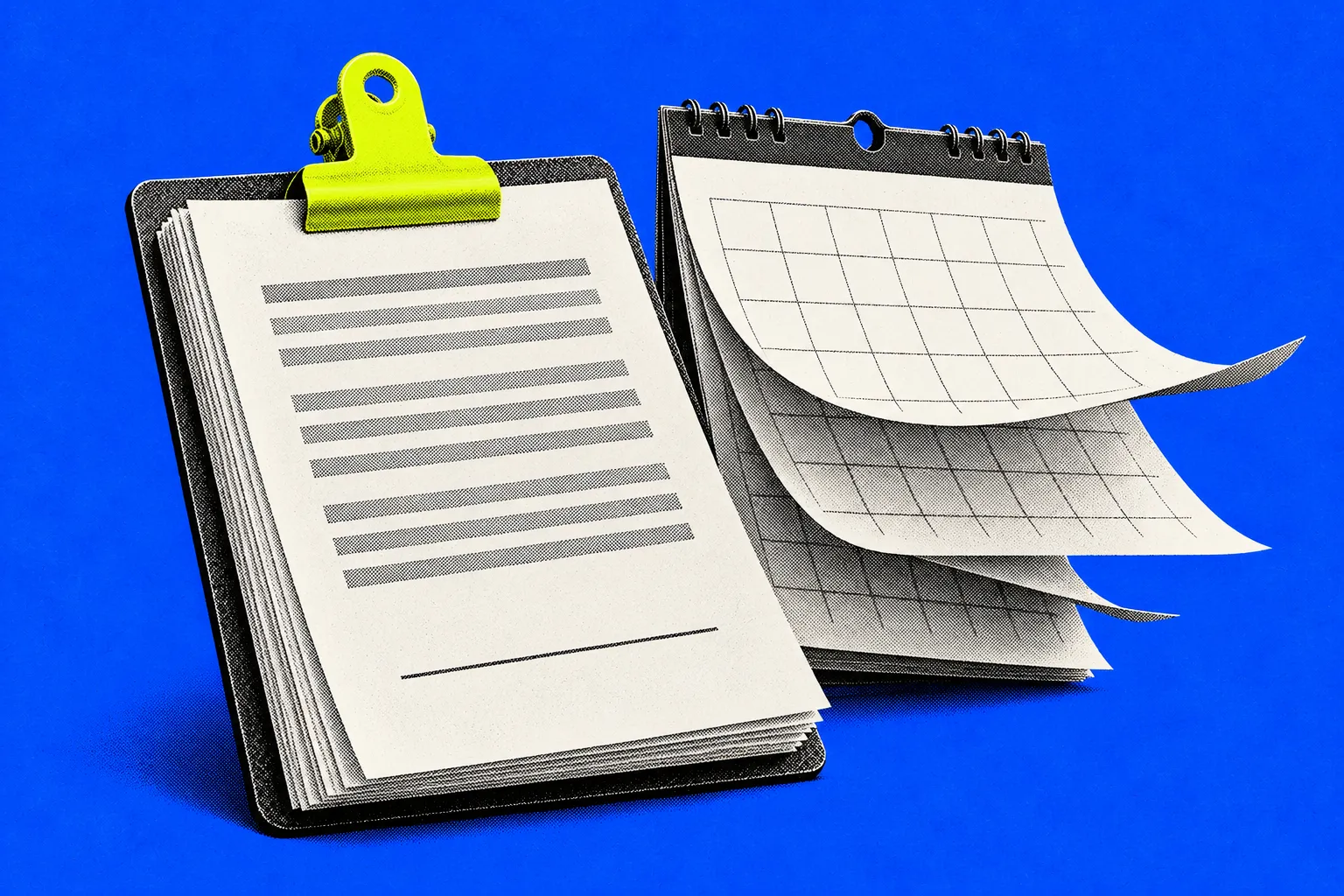
Meta has pushed back the start of its revised Commercial Terms and Self-Serve Ad Terms from 30 October to 20 November 2026. The company says it needs more time to explain the changes to partners.
لماذا يهمّكAdvertisers get four more weeks, but Meta hasn't promised to change terms that make them responsible for whatever its AI does to their ads.
Kantar: الجيل Z في السعودية والإمارات يلجأ إلى YouTube لمراجعات المنتجات
أظهر استطلاع لـ Kantar أُعلن في فعالية Brandcast من YouTube في دبي أن 88% من مشاهدي الجيل Z في السعودية والإمارات يستخدمون YouTube للبحث عن المنتجات وتحديد ما يشترونه. وكشفت YouTube أيضاً عن أول باقة من البرامج الحصرية لصنّاع المحتوى في المنطقة.
لماذا يهمّكتعرض YouTube على المعلنين في الخليج برامج يقودها صنّاع المحتوى، وتشير بيانات Kantar إلى أن المشترين الشباب في السعودية والإمارات يثقون بصنّاع المحتوى أكثر من محتوى الاستوديوهات.
Semrush: AI Overviews now show on 88% of tracked commercial keywords
Google's AI Overviews appeared on 88% of the 400 commercial keywords Semrush tracked in August 2026, up from 45.75% a year earlier. Weighted by search volume, coverage reached 97.08%.
لماذا يهمّكReview and comparison searches are where people decide what to buy, and Google now answers most of them with AI before showing any links.