Alibaba and Temu owner PDD cut marketing spend by 38% and 17%.

China's two biggest online marketplace groups spent far less on marketing in the quarter to 30 September. Alibaba's sales and marketing costs fell 38% and those of PDD Holdings, which owns Temu and Pinduoduo, fell about 17%, according to results both published on 19 November.
PDD's revenue was flat at RMB108.3bn (about $16.2bn). Sales and marketing expenses dropped to RMB25.3bn from RMB30.3bn a year earlier, while research and development rose to RMB5.1bn. Inside revenue, the mix shifted: online marketing services, mainly the ads merchants buy on its platforms, grew 12% to RMB59.8bn, while transaction services, mostly commissions, fell 12% to RMB48.5bn. Operating profit rose to RMB31.2bn. The company did not split Temu from Pinduoduo.
Alibaba's revenue rose 10% to RMB271.5bn, led by a 53% jump in AI cloud and compute services. Sales and marketing expenses fell to RMB41.3bn from RMB66.5bn, or from 26.8% to 15.2% of revenue. Alibaba attributed the fall mainly to more efficient spending on Taobao Instant Commerce and to a new business development programme that now books some merchant subsidies as a reduction in revenue rather than as marketing expense. Customer management revenue, what merchants pay on Taobao and Tmall for placement and services, fell 5%; Alibaba said it would have grown 1% on a like-for-like basis without that programme.
Neither release says how much of the cut came from Western digital ad platforms, where Temu in particular has been a heavy buyer. PPC Land's 20 November roundup reported executives describing more cautious shoppers and pressure on small merchants. PDD's vice president of finance, Jun Liu, said single-quarter figures should not be read as a guide to the future, and co-chief executive Jiazhen Zhao said no platform was pulling back.
Our read: when Chinese marketplaces pull back from buying shoppers, ad auctions on Meta, Google and TikTok can soften, including in Saudi Arabia and the UAE, where Temu, SHEIN and AliExpress compete hard for attention. Gulf retailers and marketplaces may find some performance inventory cheaper this season, but should watch whether the cuts last beyond one quarter.
Why it matters
Chinese marketplaces such as Temu have been big buyers of performance media; if they spend less on acquiring shoppers, auction prices could ease. Part of Alibaba's cut is accounting.
Related trends.

YouGov: 73% of UAE adults weighed a holiday, under half booked
About three-quarters of UAE adults gave serious thought to a leisure trip in the past year, but only 42% of them had booked it, YouGov's Travel Decision Journey 2027 report finds. The median across the 19 markets surveyed is 56%.
Why it mattersAwareness isn't the problem for travel brands in the UAE. Trips stall on price, so clear total costs and flexible terms matter more than more reach.
Ajman's police-backed DOOH network grows to 23 screens after pilot
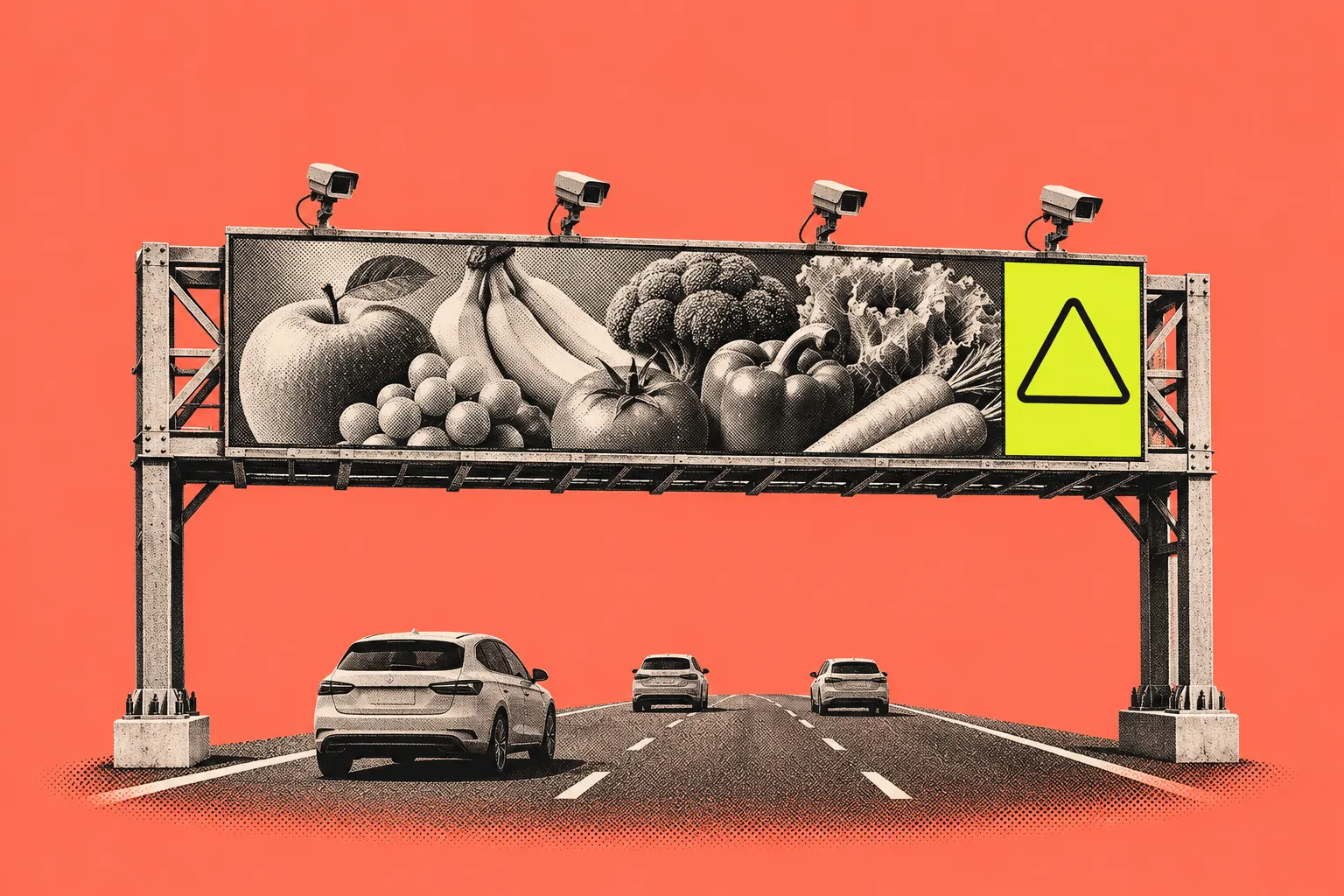
Ajman's digital out-of-home network, built on smart gantries used by Ajman Police and sold through Yango Ads, has finished its pilot phase with 23 screens, up from 15 at launch. The partners plan to reach 26, they said in a statement carried by Communicate.
Why it mattersAjman's police-backed screen network links its expansion to advertisers extending their bookings, a small sign that digital outdoor demand in the UAE reaches beyond Dubai and Abu Dhabi.

Edelman's Marie Claire Maalouf named Adfest 2027 jury president
Adfest has named Marie Claire Maalouf, Edelman's Dubai-based chief creative officer for EMEA, as one of its first three jury presidents for 2027. She will lead the Entertainment, Media and PR Lotus juries at the festival's 30th anniversary edition in Thailand next March.
Why it mattersA Dubai creative leader will preside over three Adfest juries, and the show takes entries from Middle East-based agencies, with the first deadline on 18 December.