Kantar Media Reactions 2026: AI assistants are widely used but little trusted.
Kantar's seventh Media Reactions study finds 73% of consumers use AI assistants but only about a quarter trust their brand recommendations, while Google tops ad equity.
By Kantar · Oct 5, 2026
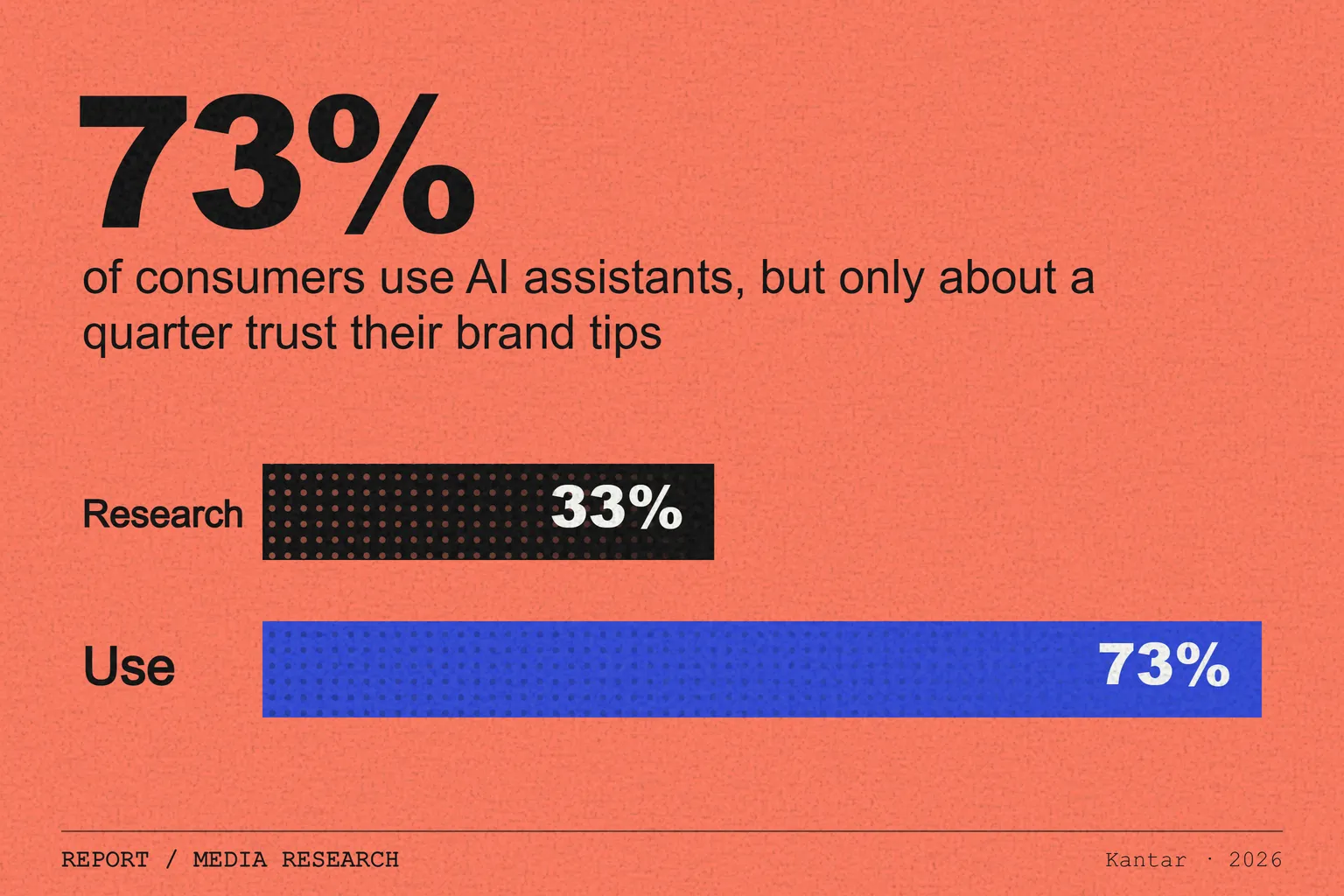
Kantar has released Media Reactions 2026, the seventh edition of its study of how consumers and marketers rate media channels and the advertising they carry. This year's results, drawn from more than 23,000 consumers in 33 markets and 800 senior marketers, put AI assistants at the centre: most people now use them, but few trust what they recommend.
Google tops Kantar's global ranking of ad equity among consumers, ahead of Amazon, YouTube, Instagram and Netflix. Marketers put YouTube first for receptivity, followed by Instagram, Google, TikTok and Netflix, and more than half of them plan to spend more on TikTok in 2027.
73%
of consumers across 33 markets use AI assistants
33%
already research brands and products through AI assistants
75%
net share of marketers planning to invest more in visibility inside AI assistants in 2027
91%
of marketers use creators
Key findings
- AI assistants are used but not trusted. Almost three-quarters of consumers use AI assistants and a third research brands and products through them, but only about a quarter trust the brand recommendations they get (24% in Kantar's article, 23% on its campaign page). As an advertising channel, AI assistants rank 20th of 27 for ad equity.
- Marketers are moving anyway. A net 75% of marketers plan to raise their investment in visibility inside AI assistants in 2027, and 62% believe the future of AI for brands lies in recommendations and guidance.
- Creators are now standard. 91% of marketers use creators. 62% say brands should guide creators rather than control them, 47% see them as creative and storytelling partners and 45% value their reach and influence within specific communities. For 20% of consumers, creators are often the first place they discover new products.
- Google leads with consumers, YouTube with marketers. Eight in ten consumers are exposed to ads on Google, and four brands make both top fives: Google, YouTube, Instagram and Netflix.
- Ad sentiment has improved a little. Negative sentiment towards advertising fell from 20% to 17%, and Kantar says campaigns land around seven times harder with receptive audiences.
- Channels work better together. Kantar's LIFT+ database of campaign results shows 43% of campaign impact now comes from channels working in combination, against 18% before 2014. Yet four in ten marketers doubt they are getting the fundamentals of the media mix right.
How the research was done
Media Reactions combines a survey of more than 23,000 consumers across 33 markets with a survey of 800 senior marketers around the world, and is now in its seventh year. It ranks media channels and media brands on ad equity among consumers and on receptivity among marketers. The campaign-impact comparison comes from a separate source, Kantar's LIFT+ database. Kantar's public pages don't name the 33 markets or give fieldwork dates, so it isn't clear whether Saudi Arabia or the UAE are included. The pages also differ slightly from each other, describing the consumer sample as "over" and "around" 23,000 and putting trust in AI-assistant recommendations at 24% and 23%.
What it means for marketers
The AI-assistant figures set up a planning problem for 2027. Consumers already use assistants to research brands, and marketers intend to invest in being visible there, but most people don't trust the recommendations they get. That puts a premium on the material assistants draw on, such as product information, reviews and press coverage, being accurate and credible, while any paid presence inside assistants will still have to earn trust.
The creator and channel findings point the same way. With nine in ten marketers using creators and a growing share of campaign impact coming from channels working together, the stronger 2027 plans will connect creators, video platforms and search rather than buying each separately. Gulf marketers should treat the rankings as global benchmarks: Kantar sells market-level data, but its public pages don't say whether Saudi Arabia or the UAE are covered.
About this report
Published by Kantar, October 2026. Free with sign-up. Get the full report from Kantar
Sources
More stories.
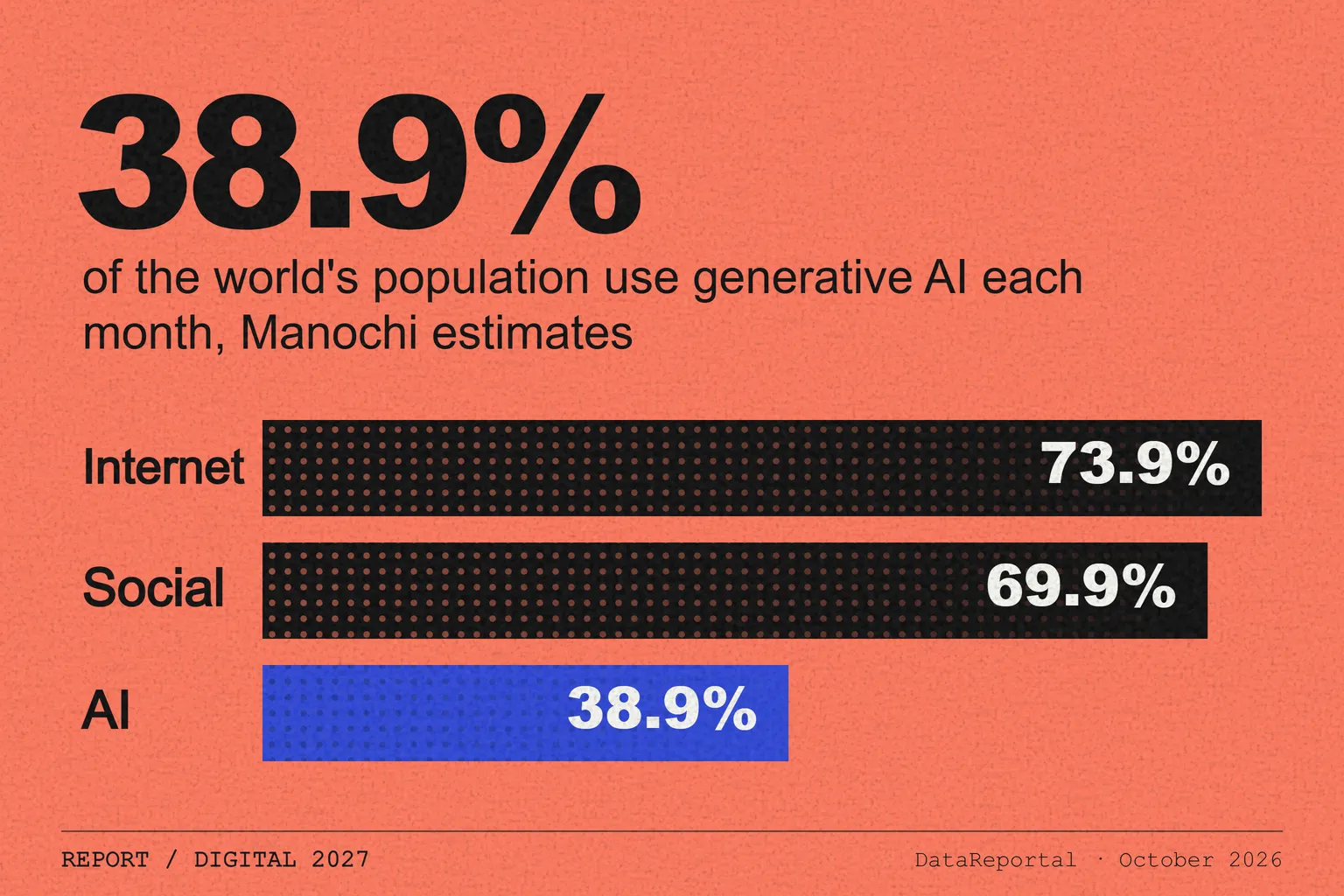
Digital 2027 Global Overview: 6.15 billion online, 3.24 billion using generative AI
DataReportal's Digital 2027 report counts 6.15 billion internet users and 5.81 billion social media user identities, while monthly users of generative AI platforms grew by more than 1.2 billion in a year.
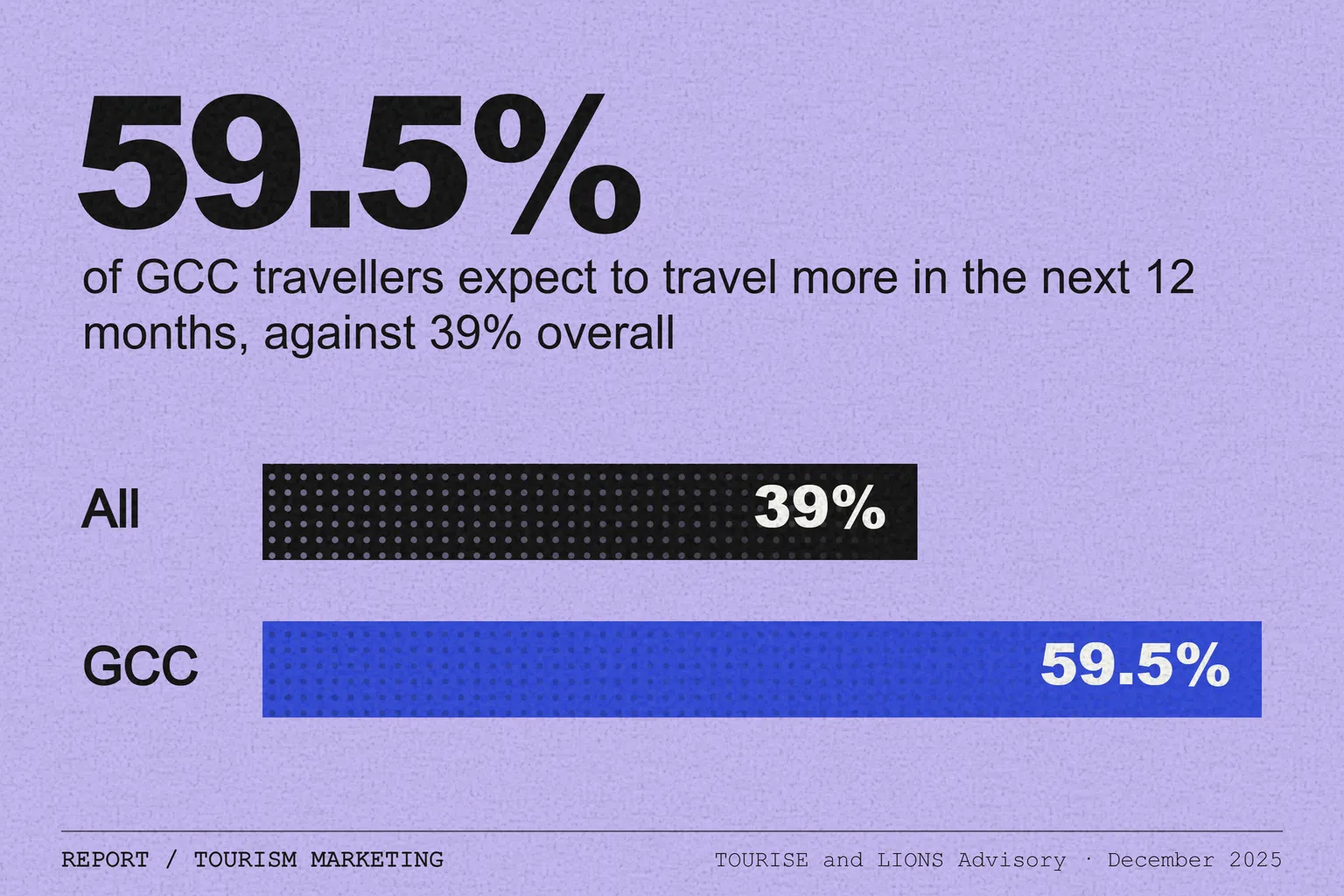
TOURISE and LIONS: travel demand is rising, but tourism ads look alike
In a survey of 8,374 international travellers for TOURISE and LIONS Advisory, 60% say many travel ads look alike and half can't recall the last one they saw.
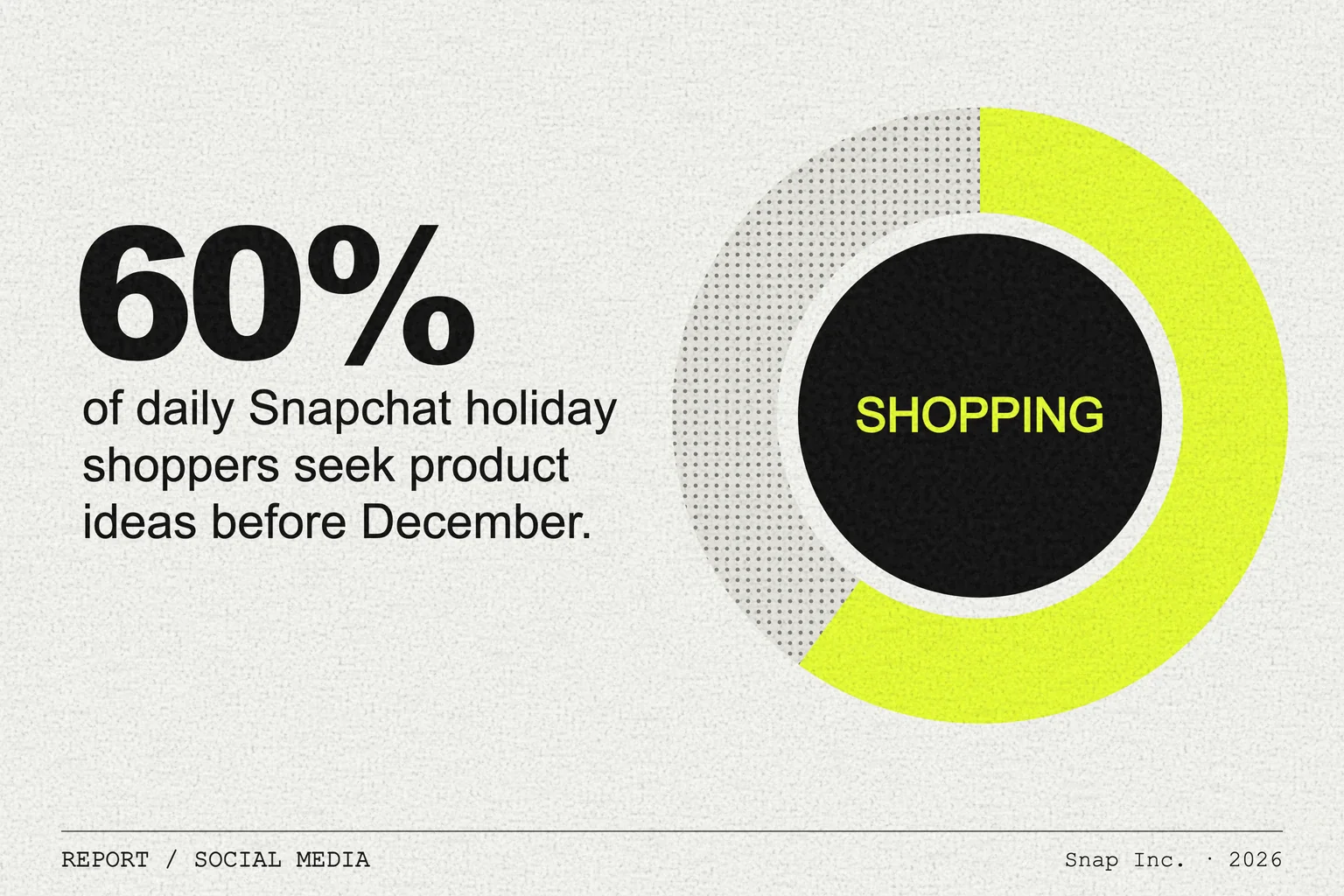
Snapchat's 2026 holiday guide: shopping decisions happen in the chat
Snap's 2026 holiday guide argues gift decisions are made in private chats, citing Snap-commissioned research on early planning, higher spend and shopping after Christmas.