ADEX: AI helped build 52% of the ad fraud schemes it caught.

Anti-fraud firm ADEX says AI played a significant role in 52% of the ad fraud schemes it identified between January and September 2026. It also predicts that in 2027 scammers will start targeting the AI agents that shop for people.
The figures come from ADEX's State of Ad Fraud 2026 report, released on 27 October and covered by PPC Land. ADEX, part of Cyprus-based AdTech Holding, drew on moderation data from eight unnamed ad platforms covering 1.2 million campaigns and 4.9 million creatives. Among the AI-involved schemes, bots posing as humans appeared in 64%, cloned brands and fake endorsements in 53%, and deepfakes in 11%; the categories overlap. ADEX also saw rejected campaigns come back in revised form within hours.
The report describes fewer but better-disguised fraudulent campaigns. Cloaking, where reviewers see one page and real visitors another, is still the top reason for advertiser suspensions, but its share fell from about three quarters in 2025 to under half in the third quarter of 2026. Malicious iOS scripts accounted for about one in five suspensions that quarter, and messenger phishing on services such as WhatsApp and Telegram became a separate category. ADEX's chief product officer, Sergey Martianov, says the scams themselves are old; AI has improved the finish.
The limits are significant. The 52% is a share of schemes, not campaigns or spend, and ADEX does not say how many schemes there were, how it detects AI involvement or how often that detection is wrong. The platforms are not named, the data has not been independently reviewed, and ADEX sells the tools that produced it. The 2027 agent forecast is, by ADEX's own account, not yet measured.
WhatsApp is widely used across the Gulf, and messenger phishing is one of the categories ADEX now tracks. Brands here have reason to monitor ads that use their names, check where their own clicks end up, and ask ad tech partners how they tell a genuine shopping agent from a manipulated one.
Why it matters
Brand cloning was common in the AI-built schemes, so legitimate advertisers are raw material for fraud even on platforms they never buy.
Related trends.

VAB puts US programmatic spend on AI slop at up to $978.7m
The Video Advertising Bureau, the US television industry's marketing body, estimates that between $530.1m and $978.7m of US open-web programmatic spend goes on AI slop. It comes from a 25-page members' deck reported by PPC Land on 28 October.
Why it mattersLow-effort AI sites can grade as premium inventory, so buyers need page-level checks, not domain lists, to keep budgets away from them.
NielsenIQ: Saudi and UAE grocery shoppers move to value and premium
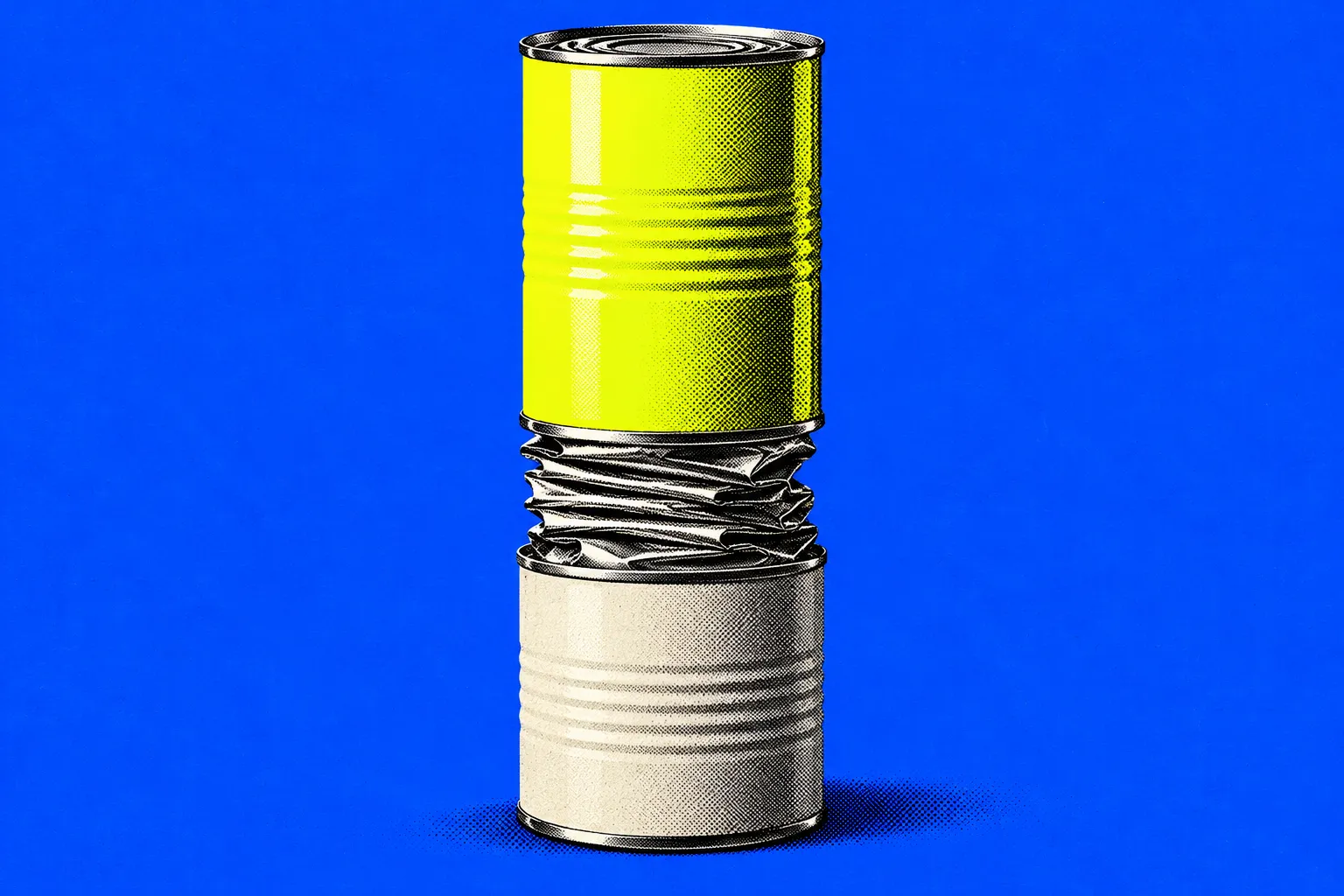
NielsenIQ's Consumer Outlook 2027 shows shoppers in Saudi Arabia and the UAE shifting grocery spend away from mainstream products towards value and premium ones, according to Communicate's report of 28 October. Communicate says the study covers more than 21,000 respondents in 31 countries and includes the UAE for the first time.
Why it mattersPremium is the biggest grocery tier in the UAE and close behind mainstream in Saudi Arabia. Figures come via Communicate and could not be matched to NielsenIQ's public report.

Brand experience agency Collaborate Global expands into Abu Dhabi
Collaborate Global, an independent brand experience agency, has expanded into Abu Dhabi. It will chase destination marketing, government campaigns, international roadshows and large brand experiences from the emirate.
Why it mattersDestination and government roadshows are a large experiential budget line in Abu Dhabi and Riyadh, and more agencies are setting up locally to compete for them.