Snap and Kearney: Saudi digital ad spend is growing faster than e-commerce.
Snap and Kearney find Saudi digital ad spend growing faster than e-commerce, and put the gap down to uneven capabilities in strategy, localisation, activation and measurement, not budgets.
By Snap Inc. and Kearney · Jun 24, 2026
Snap Inc. and Kearney launched the Saudi Digital Ad Maturity Framework on 24 June 2026, with a free 55-page white paper, "Advancing Digital Advertising Maturity in Saudi Arabia", dated April 2026, and a diagnostic that scores advertisers' capabilities. It argues that many Saudi advertisers are adding digital budget faster than they are building the skills to use it well, and calls the shortfall in returns the "Saudi performance tension".
23.5%
growth in Saudi digital ad spend in 2024, the fastest in MENA (IAB MENA)
8 pts
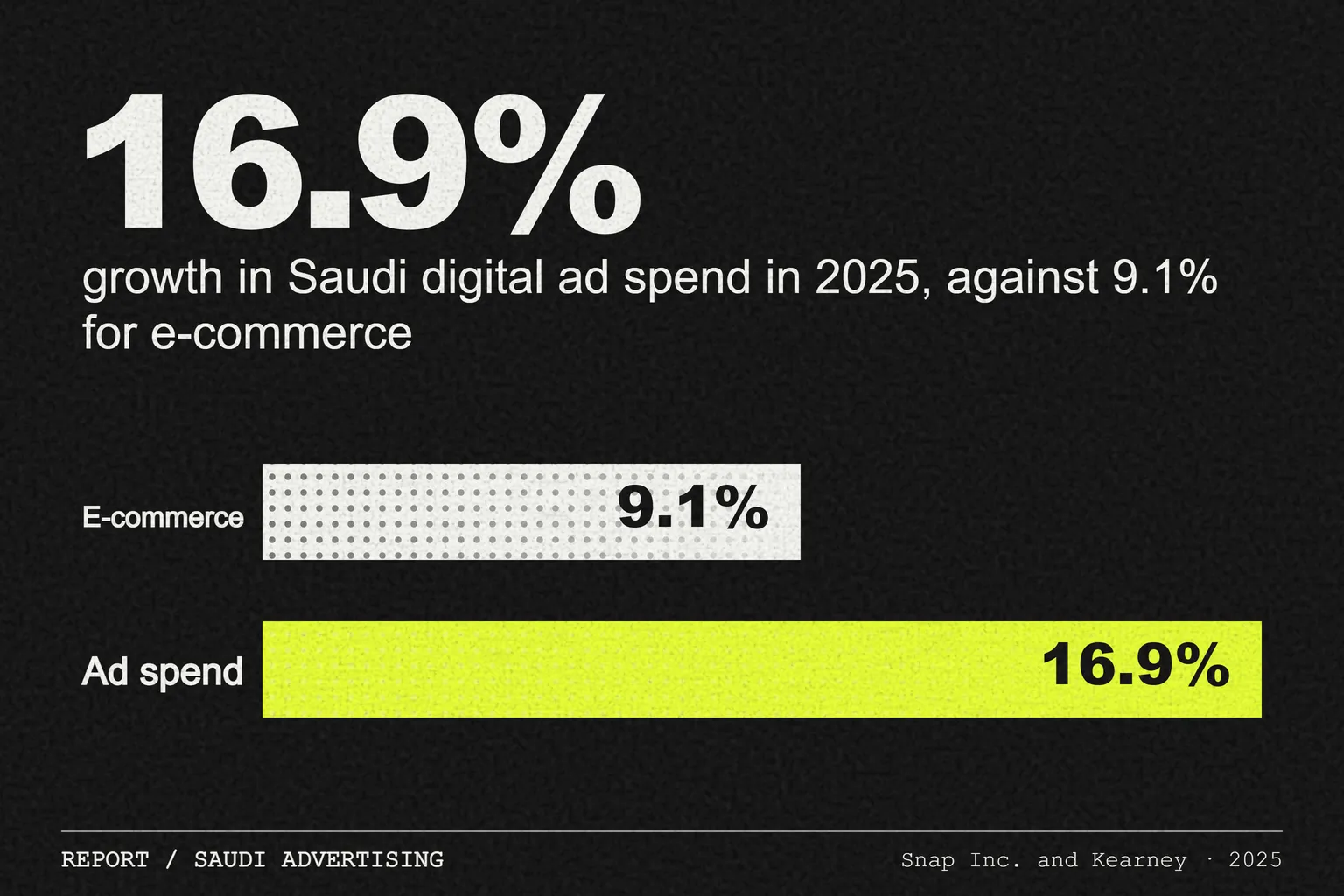
gap between digital ad spend growth (16.9%) and e-commerce growth (9.1%) in 2025
>30%
of surveyed consumers in Saudi Arabia say local brands' online advertising still lacks cultural relevance
73%
view brands positively when they feature Saudi creators, against 57% for non-Saudi or international creators
Key findings
The paper's central chart, sourced to Euromonitor's retail e-commerce data, shows digital ad spend growing faster than e-commerce in every year from 2021 to 2025. In 2024 ad spend rose 23.5%, a figure the paper credits to IAB MENA, against 17.5% for e-commerce. The eight-point gap is 2025's: 16.9% against 9.1%. The launch release ties it to 2024's 23.5%, but the chart shows six points that year. The paper notes that e-commerce is only one proxy, since ads also drive store visits, offline sales and brand consideration.
By its calculation, using IMF GDP figures, digital ad spend was about 0.16% of Saudi GDP in 2025, against 0.28% in the rest of the GCC and 0.88% in the US, which it reads as headroom.
Asked what makes a brand credible online, 19% of survey respondents named cultural relevance, second only to trust and brand reputation at 29%. More than 30% said local brands' online ads still lack it, and 89% said strategic communication around key local moments improves their view of a brand. In one case study, an unnamed global digital retailer new to the market was strong on data but used creative adapted from other regional markets; only 46% of respondents felt its content was made for people in Saudi Arabia.
A 2025 Kantar cross-media analysis commissioned by Snap found that campaigns lifted brand KPIs by about 4% on average, much of it from channels working together. In some cases, close to 70% of what the paper calls platform-driven impact was linked to synergy across channels.
The framework
The release lists four pillars: strategy and organisation; creative and localisation; experience and activation; and data, tech and measurement. The diagnostic splits them into dimensions such as budget allocation, Saudi moments and journey localisation, and scores each as nascent, emerging or advanced. The release says the framework is designed for large local enterprises, established global enterprises, and government and semi-government entities; the paper also covers local SMEs and global new entrants. Organisations can work through the full diagnostic with Snap and Kearney.
Julie Caironi, Head of Marketing, Snap Inc. MENA & APAC, said brands "need more than increased media investment". Hadi Hammoud, Partner, Kearney, said the framework should help advertisers "identify the gaps limiting performance".
How the study was done
A six-person Kearney team, including Hammoud, wrote the paper with three Snap Inc. staff from marketing and research. It draws on:
- A 14-question Ipsos survey, run in 2025, of 400 consumers based in Saudi Arabia, aged 16 to 44, across gender, income and nationality groups.
- In-depth interviews with CMOs, marketing heads and digital leaders at Saudi-based organisations. The paper does not say how many.
- Market analysis, including a year of Ipsos campaign-level data on Saudi digital advertising.
Snap sells advertising and commissioned the Kantar analysis, and both firms end the paper by offering to run the diagnostic. The paper's "maturity premium" figures, such as 10–30% annual revenue growth for mature advertisers, come from global third-party studies, not the Saudi research.
What it means for marketers
The eight-point gap compares two national growth rates; treat it as a prompt to check your own numbers, not a verdict. The diagnostic's questions are more useful. Does each campaign have one agreed source of truth for its KPI? Is Saudi culture built in from the brief, or added at translation? Do budgets move on incrementality tests or on platform dashboards? Are Ramadan, National Day and Riyadh Season planned as business cycles or media bursts? Abdulla Alhammadi, Snap Inc.'s general manager in Saudi Arabia, told Asharq Al-Awsat in July that organisations starting out should pick one business objective for the next six months rather than fix every weakness at once.
Sources
- Snap Inc. and Kearney, Advancing Digital Advertising Maturity in Saudi Arabia, April 2026
- Zawya, Snap Inc. and Kearney MEA reveal advertisers may be leaving growth on the table as digital ad spend outpaces marketing maturity, 24 June 2026
- Communicate, Saudi digital Ads are soaring but business growth isn’t keeping up: report, 24 June 2026
- Asharq Al-Awsat, Snap Inc. to Asharq Al-Awsat: Saudi Digital Spending Shifts Focus to Returns, 22 July 2026
- Campaign Middle East, MENA digital adspend hits $6.95bn in 2024, 19 June 2025
More stories.
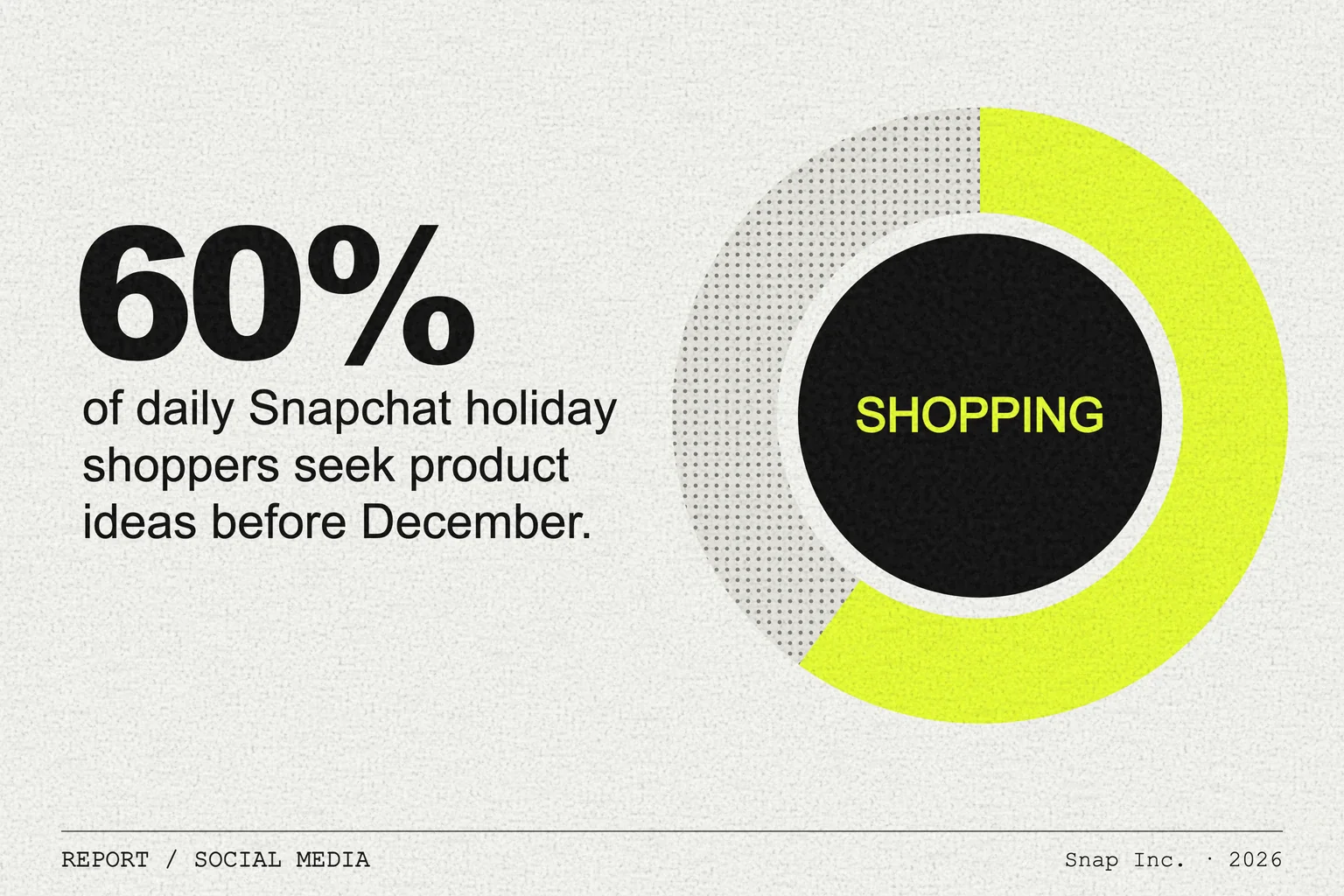
Snapchat's 2026 holiday guide: shopping decisions happen in the chat
Snap's 2026 holiday guide argues gift decisions are made in private chats, citing Snap-commissioned research on early planning, higher spend and shopping after Christmas.
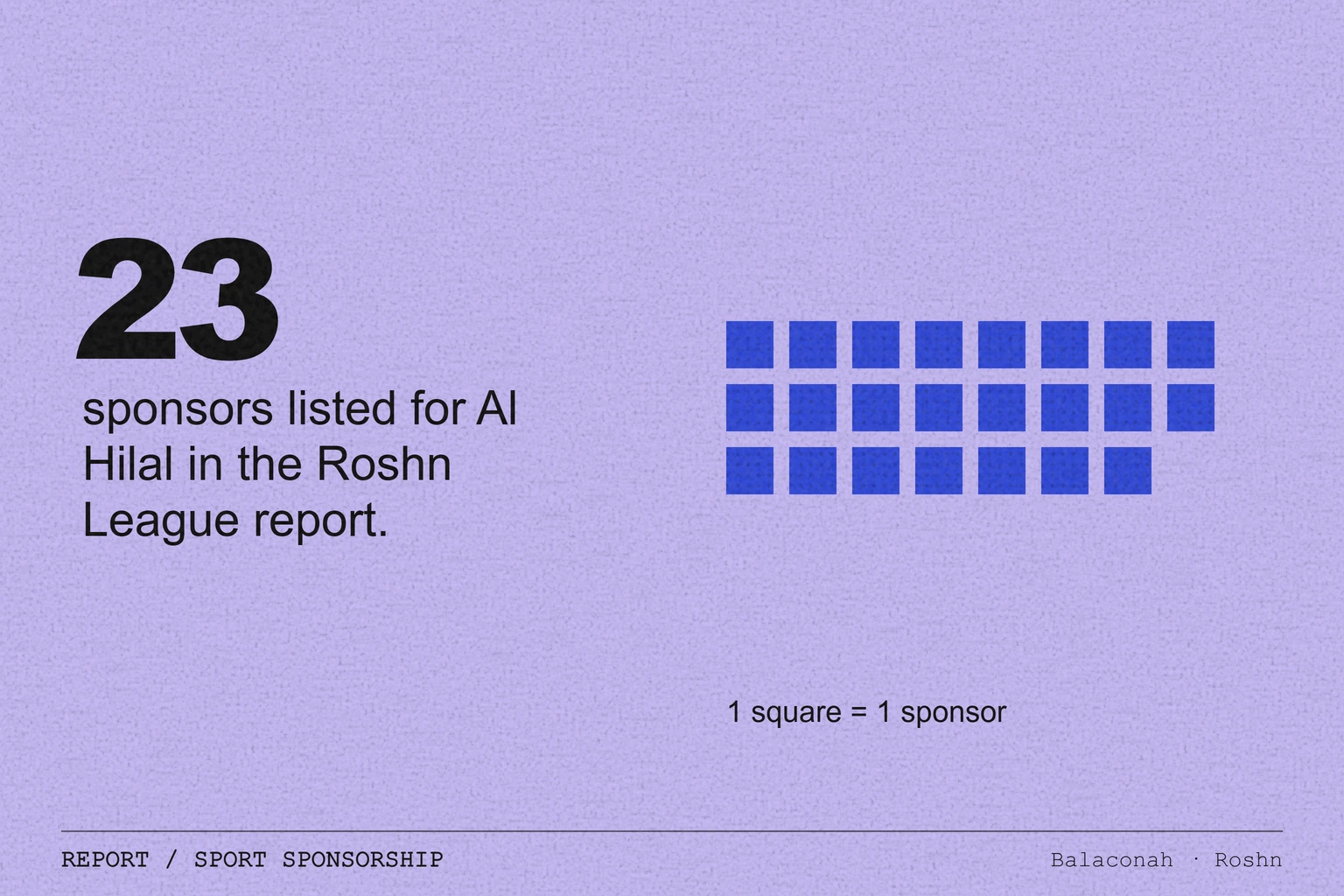
Who sponsors the Roshn League? Al Hilal has the most names
Balaconah's live report lists the sponsors of 18 Saudi Pro League clubs: Al Hilal has 23, while insurer Tameeni and water brand Berain each back ten clubs.
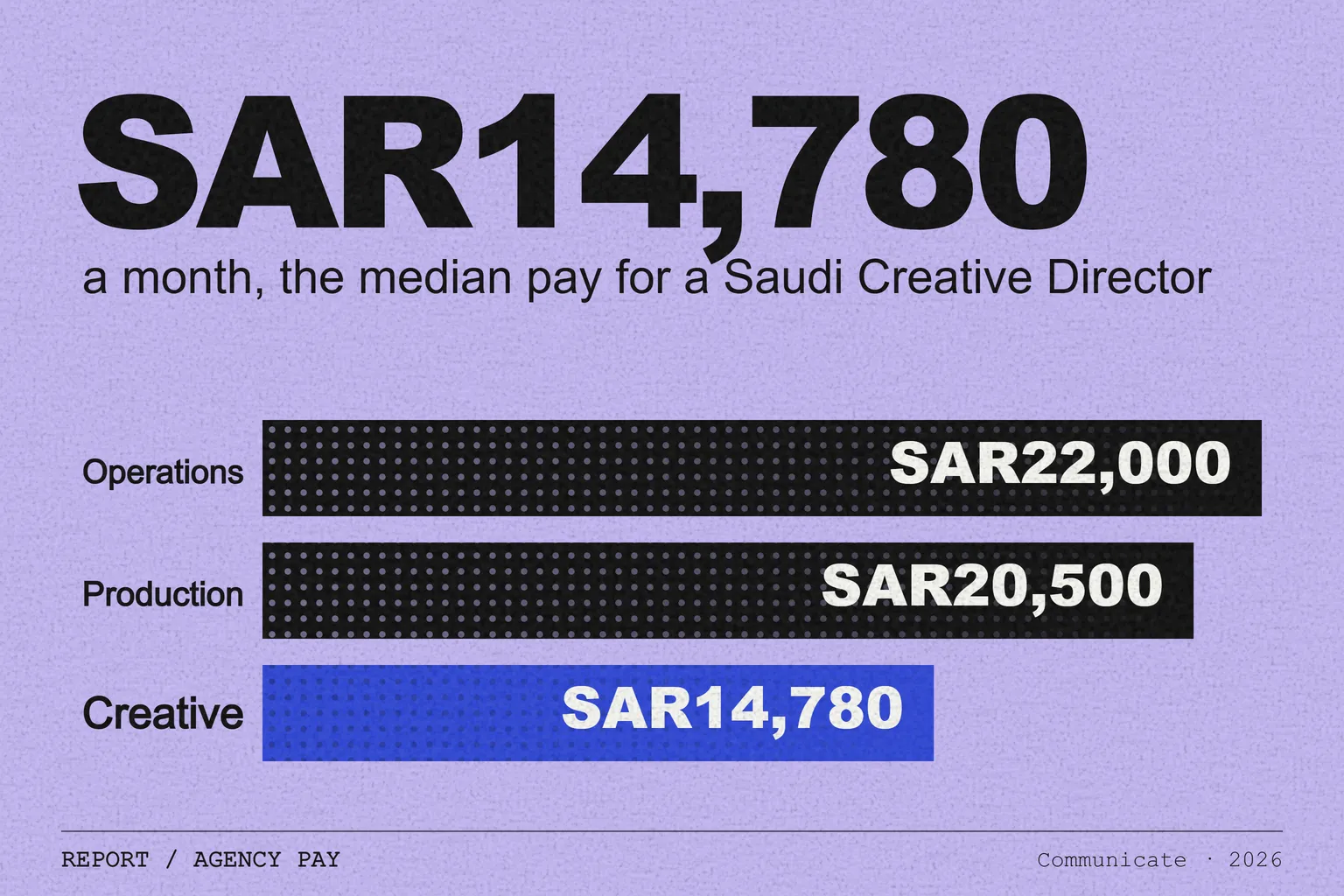
Communicate's 2026 agency salary survey: C-suite pay converges and UAE PR out-earns media
Communicate's 2026 survey of UAE and Saudi agency pay finds most chief titles paid almost alike, UAE PR ahead of media, and Saudi creative pay far below the UAE's.