Bidease and Sensor Tower: GCC in-app revenue up 41% in two years, downloads up 9%.
The 2026 Middle East App Growth Report finds GCC in-app revenue up 41% in two years against 9% for downloads, and seasonal spikes that don't always last.
By Bidease and Sensor Tower · Jun 9, 2026
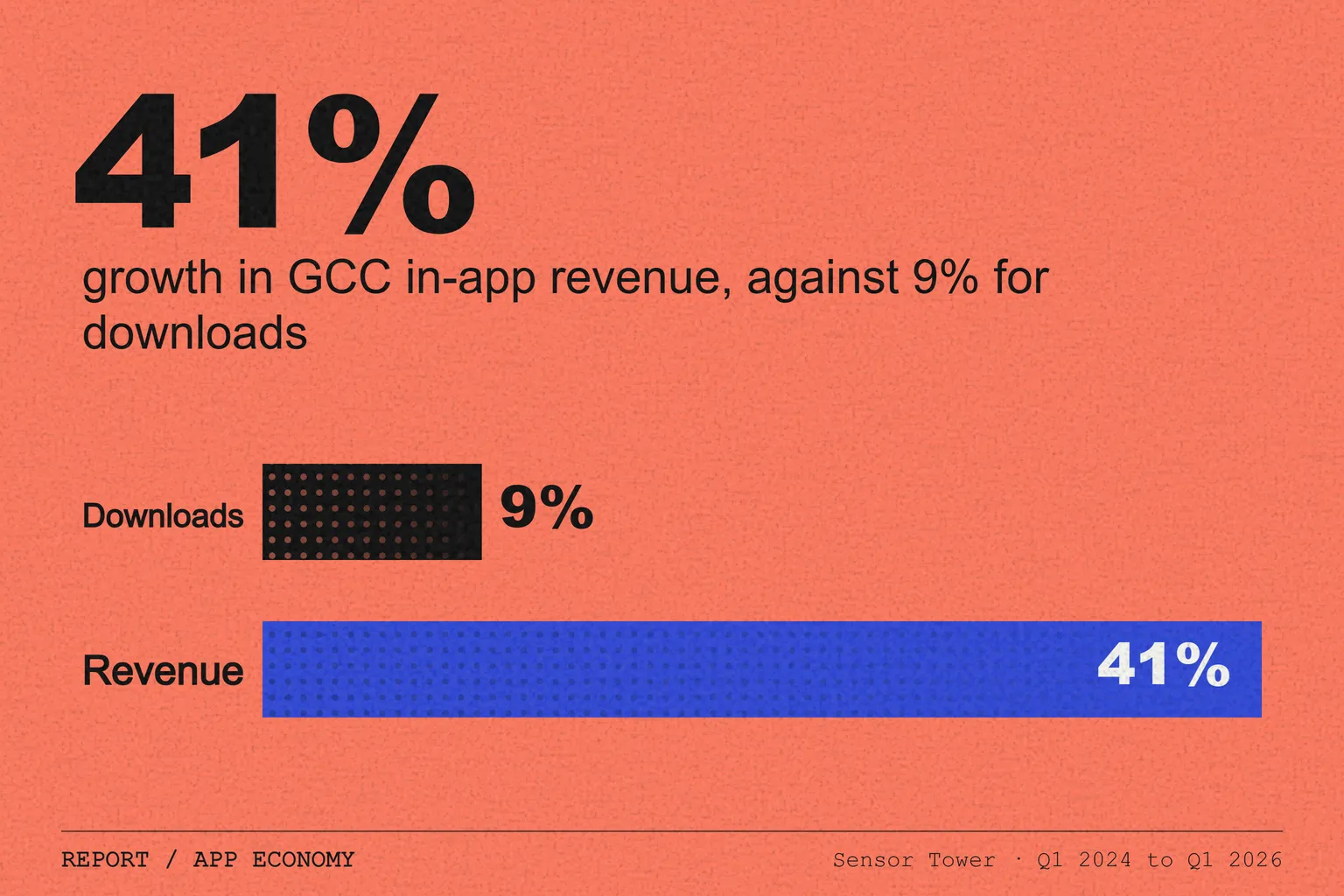
In-app spending in the Gulf is growing 4.5 times faster than downloads, according to The 2026 Middle East App Growth Report: Mid-Year Edition from Bidease and Sensor Tower. Between the first quarter of 2024 and the first quarter of 2026, in-app purchase (IAP) revenue across the GCC rose 41%, while downloads rose 9%.
Bidease, a mobile advertising platform, announced the report on 20 May 2026, and Sensor Tower, which supplied the market data, published its own summary in June. The report pairs that data with a survey of 400 app marketers in the region and follows how app growth moves through Ramadan, Eid, summer and the fourth quarter. Communicate reported its findings on 9 October.
41%
GCC in-app purchase revenue growth, Q1 2024 to Q1 2026
9%
GCC download growth over the same period
+46%
UAE in-app revenue growth, the highest in the GCC
+43%
Saudi Arabia in-app revenue growth
21%
global in-app revenue growth, a benchmark every GCC market beat
Key findings
The two companies say every GCC market beat the 21% global rate, led by the UAE and Saudi Arabia. The public summaries give no figures for Kuwait, Qatar, Bahrain or Oman, and no dollar values. Bidease reads the gap between revenue and downloads as a sign of a maturing market, where the question is no longer how many installs a campaign wins but whether they turn into engagement, spending and repeat use.
Ramadan, Eid, summer and Q4 still anchor the calendar, but the report finds each window producing different results:
- OTT streaming: downloads during Ramadan rose 20% on the previous period in 2024, 35% in 2025 and a record 48% in 2026. Yet total time spent in OTT apps fell during Ramadan 2026.
- Shopping: Ramadan, Eid and November together drove nearly a fifth of the category's 2025 downloads. In the UAE, shopping engagement tracked the November download peak and dropped sharply once downloads cooled.
- Food & Dining: downloads shrank during Ramadan and rebounded around Eid, with post-Ramadan downloads up 30% in 2024 and 45% in 2025.
- Finance: in Saudi Arabia, consumer banking apps logged more than 1.25 billion sessions a month throughout Q1 2026, even as downloads fell. Crypto apps went the other way, with sessions at two-year lows in early 2026 despite some acquisition activity.
The report's conclusion is that the strongest categories are those that hold on to users once a peak is over, not just those that win them during it.
What marketers say they do
The survey findings, as Bidease summarises them, show marketers spending and testing more when familiar signals weaken, rather than pulling back:
- 75% increase paid media budgets, and nearly 60% shift budget towards acquisition if peak demand looks weaker than expected. But 37% say engagement and retention come first when seasonal demand is harder to predict.
- Paid social (48%) and App Store advertising (43%) are rated the most stable channels, yet 70% step up testing of new channels when performance weakens.
- When conditions change, marketers now trust retention and repeat usage more than CPA, CPI or ROAS, and 84% run incrementality or lift tests at least occasionally.
- 77% refresh their creative weekly or more often.
Method and caveats
The public summaries do not say when the survey ran, how the 400 marketers were recruited or exactly where they work; Communicate describes them as app marketers across the GCC. Nor do they explain how Sensor Tower estimates the download and revenue figures. The full report, more than 40 pages of interactive charts, is available in English and Arabic after filling in a form. Bidease sells mobile user acquisition and re-engagement advertising, so it has a commercial interest in how app marketers spend.
What it means for marketers
For app marketers in Saudi Arabia and the UAE, the lesson is to judge seasonal campaigns on what happens after the install. The OTT and shopping examples show that a peak can deliver record downloads while engagement falls, so the measures that matter are sessions, retention and revenue in the weeks after Ramadan or a November sale, not the download count during it. Saudi banking apps show the other side: high, steady use that does not depend on promotional spikes.
Sources
More stories.
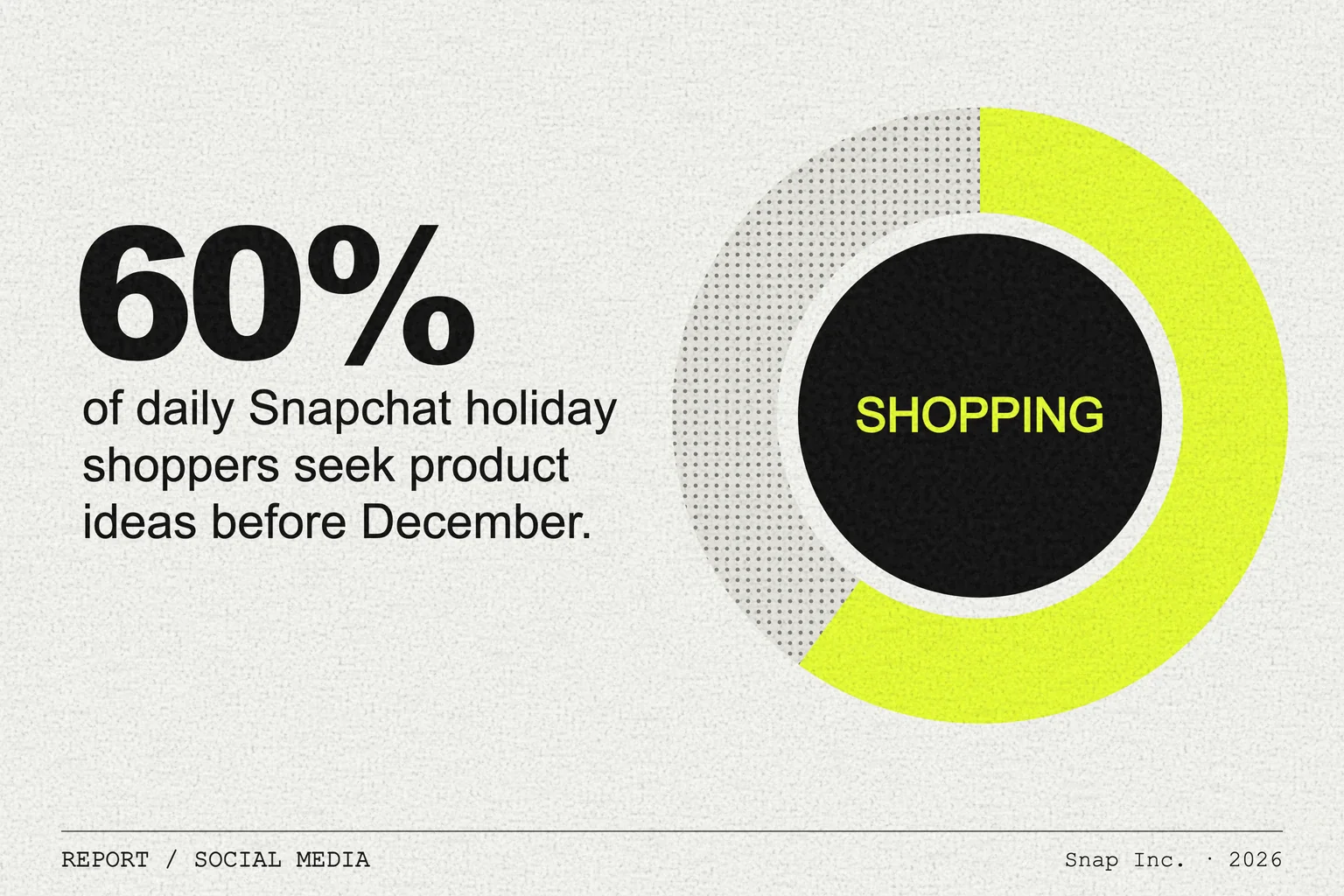
Snapchat's 2026 holiday guide: shopping decisions happen in the chat
Snap's 2026 holiday guide argues gift decisions are made in private chats, citing Snap-commissioned research on early planning, higher spend and shopping after Christmas.
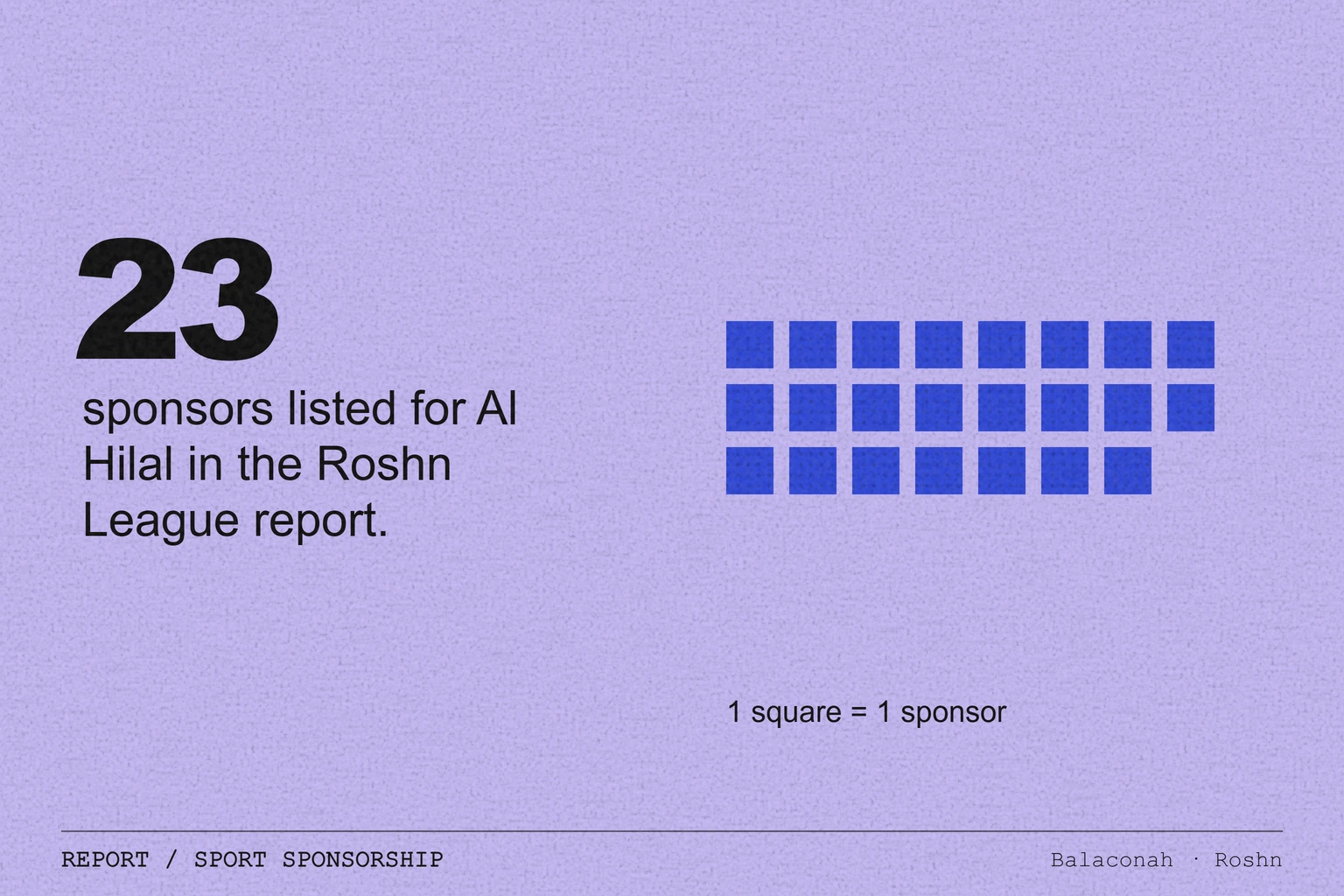
Who sponsors the Roshn League? Al Hilal has the most names
Balaconah's live report lists the sponsors of 18 Saudi Pro League clubs: Al Hilal has 23, while insurer Tameeni and water brand Berain each back ten clubs.
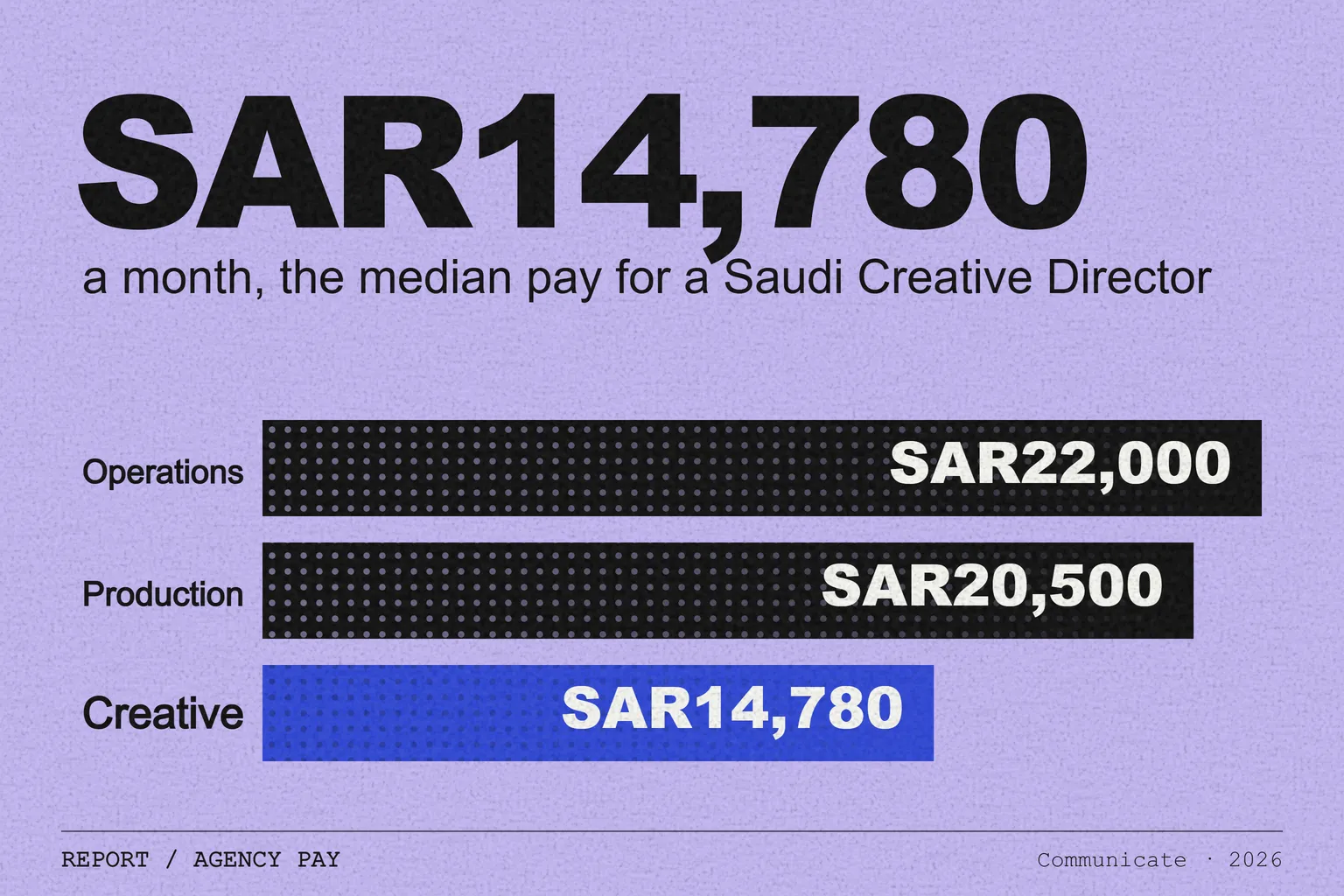
Communicate's 2026 agency salary survey: C-suite pay converges and UAE PR out-earns media
Communicate's 2026 survey of UAE and Saudi agency pay finds most chief titles paid almost alike, UAE PR ahead of media, and Saudi creative pay far below the UAE's.